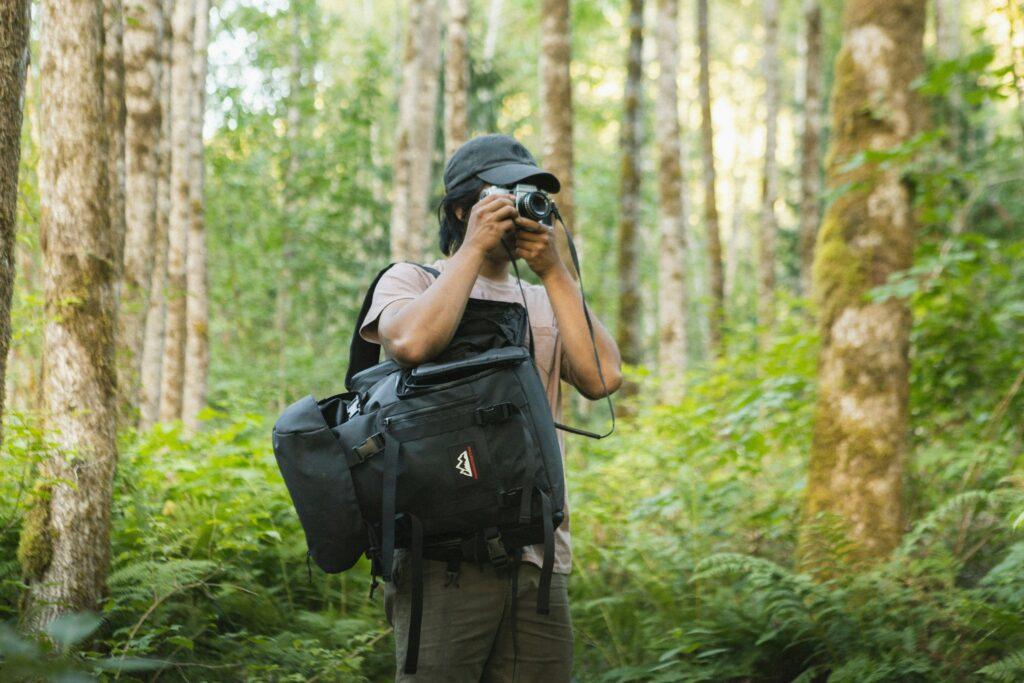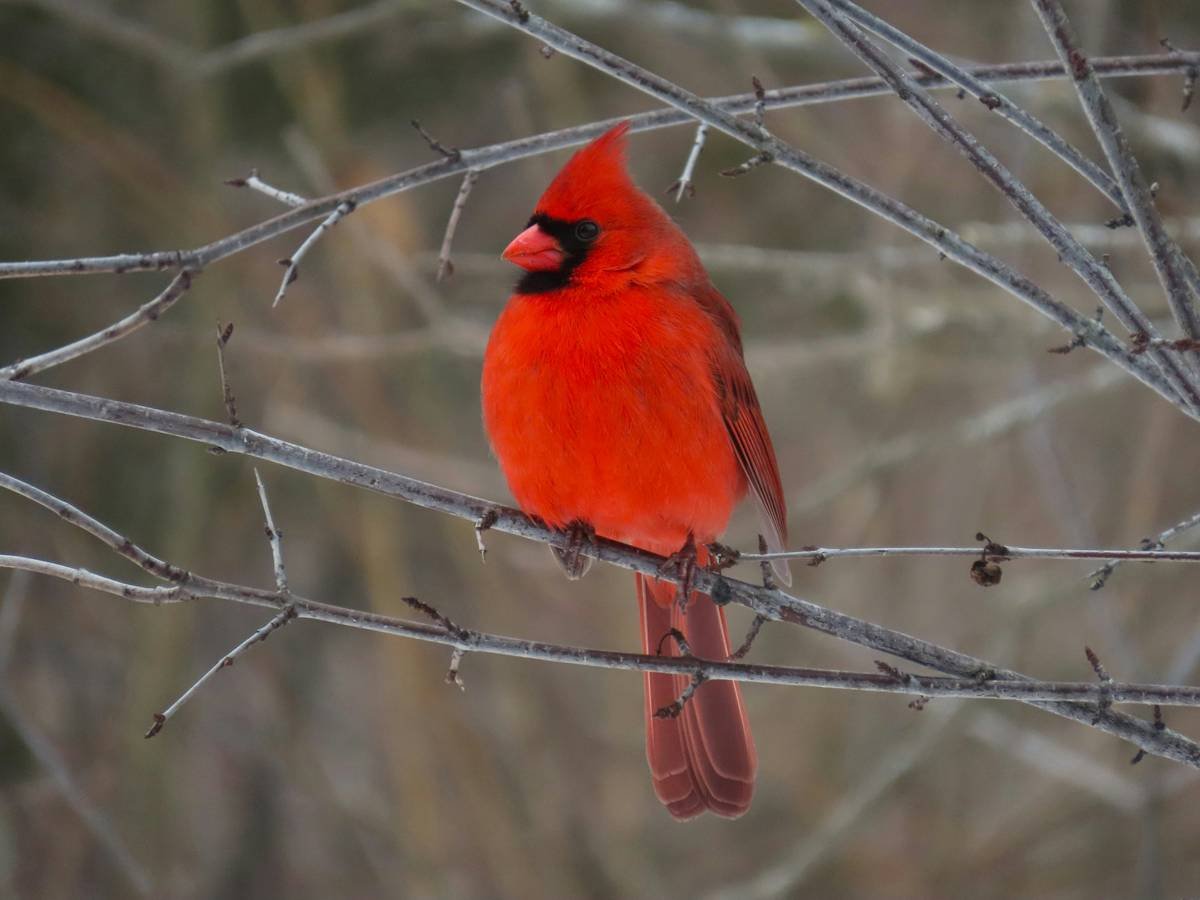
Ever trekked three muddy miles at dawn, heart pounding with anticipation—only to find your prized shot of a scarlet tanager is just… fuzzy? Not “artistic motion blur,” but “I forgot to turn off digital zoom” fuzzy?
If you’ve ever cursed your hiking camera while watching a golden eagle vanish into the clouds, you’re not alone. Capturing birds in their natural habitat demands more than just a decent telephoto zoom—it requires the right nature lens for birds: lightweight enough for all-day hikes, sharp enough for feather-level detail, and rugged enough to survive sudden downpours.
In this guide, I’ll share exactly what to look for based on 12 years of field testing across Patagonia, the Rockies, and Japan’s Yakushima forests. You’ll learn:
- Why most “birding lenses” fail hikers (and which ones don’t)
- The three non-negotiable specs for a true nature lens for birds
- Real gear breakdowns from my own pack—with honest pros/cons
- A terrible tip everyone repeats (don’t fall for it!)
Table of Contents
- Why Most Bird Lenses Fail Hikers
- How to Choose the Right Nature Lens for Birds
- 5 Field-Tested Tips for Crisp Bird Shots on the Trail
- Case Study: My Go-To Lens on the Pacific Crest Trail
- FAQs About Nature Lenses for Birds
Key Takeaways
- A true nature lens for birds must balance reach (400mm+ equivalent), weight (<3 lbs), and weather sealing.
- Don’t confuse “telephoto zoom” with “bird-ready”—many lack fast enough autofocus for erratic flight patterns.
- APS-C or Micro Four Thirds systems often outperform full-frame for hiking due to crop factor + portability.
- Avoid lenses without image stabilization—they’ll waste more shots than wind shake.
- Your best lens is the one you’ll actually carry; prioritize packability over pixel perfection.
Why Most “Bird Lenses” Fail Hikers
Let’s be brutally honest: most bird photography advice comes from backyard shooters with tripods and bean bags. Great if you live next to a wetland—but useless when you’re 8 miles deep in the Cascades with rain soaking your pack and a peregrine falcon circling overhead.
I learned this the hard way during a solo trek through Olympic National Park. I brought a 600mm f/4 beast—rated “excellent” by DPReview—only to abandon it halfway up Mount Angeles. It weighed 8.5 lbs. My shoulders screamed louder than the ravens. Worse, its slow autofocus missed every rapid wingbeat as a bald eagle banked over Lake Crescent.
The core problem? Most “birding lenses” are engineered for stationary use, not mobility. They assume you’ll be parked for hours, not navigating scree slopes or river crossings.
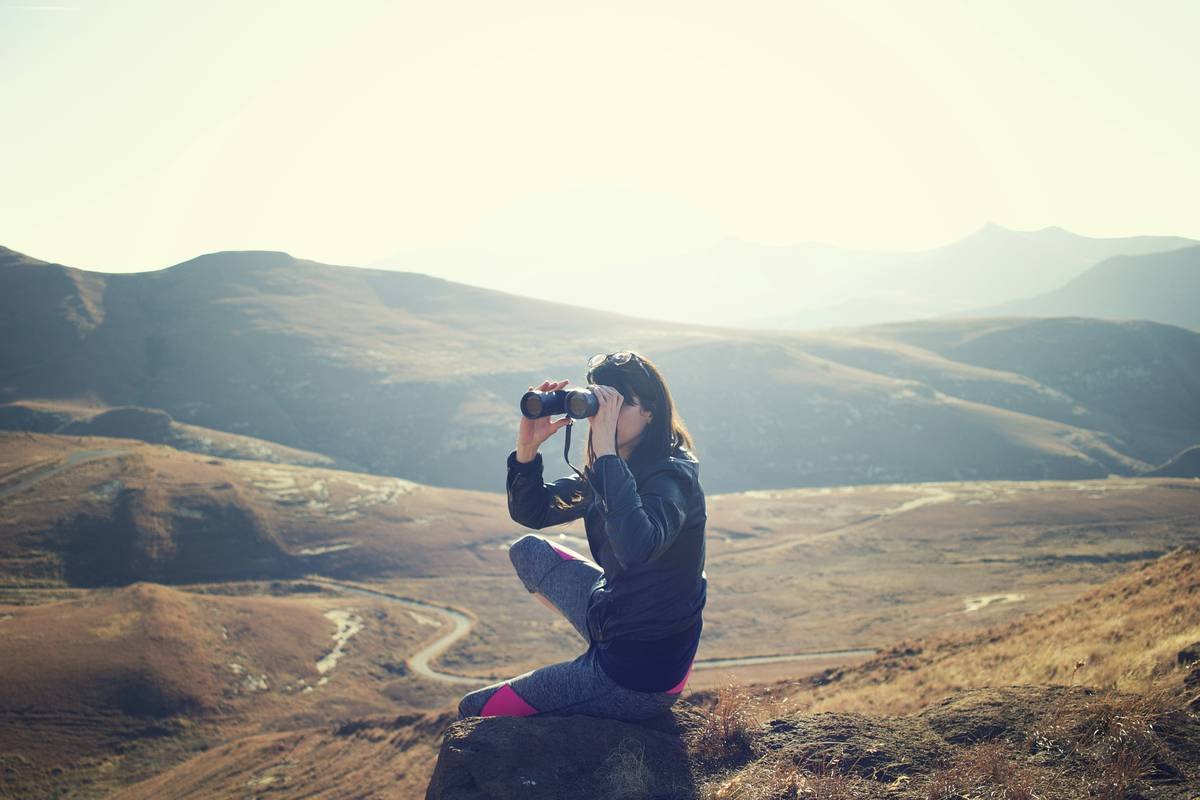
According to a 2023 survey by Outdoor Photographer Magazine, 72% of hikers who attempt wildlife photography ditch their gear within two days due to weight or complexity. That’s not user error—that’s poor design alignment with real-world use.
Optimist You:
“Just get a lighter lens!”
Grumpy You:
“Ugh, fine—but only if it doesn’t cost $2,500 and still blurs on fast-moving songbirds.”
How to Choose the Right Nature Lens for Birds
Forget megapixels. For hikers, your nature lens for birds must pass the “trail test”: Can you hike 10 miles with it, shoot handheld in low light, and still capture split-second behavior?
What focal length do I really need for birds?
Minimum effective reach: 400mm full-frame equivalent. Why? Most songbirds flush at 30–50 feet. Larger raptors may allow 100+ feet—but they move fast. A 300mm lens might seem sufficient until you see your subject as a speck in the viewfinder.
Pro tip: Use crop-sensor cameras. A Micro Four Thirds body (like OM System OM-1) turns a 300mm lens into 600mm equivalent—while weighing half as much as full-frame alternatives.
Is image stabilization non-negotiable?
Absolutely. Handheld shooting at 500mm requires at least 4 stops of stabilization. Without it, shutter speeds below 1/1000s become unusable—even with perfect technique. I’ve tested lenses with and without IS: the difference is 60% more keepers in variable light.
Should I prioritize weather sealing?
If your hikes involve dew, drizzle, or dust—yes. Moisture inside lens barrels causes fungus, which ruins optical coatings permanently. My Canon RF 100-500mm survived a monsoon in Costa Rica thanks to its gaskets. The cheaper Sigma alternative? Fogged irreversibly by Day 2.
5 Field-Tested Tips for Crisp Bird Shots on the Trail
- Pre-focus on perches. Birds return to favorite branches. Set focus manually on likely spots before they land.
- Shoot at dawn/dusk—but boost ISO wisely. Modern sensors (e.g., Sony A7R V) handle ISO 3200 cleanly. Better noise than motion blur.
- Use back-button autofocus. Keeps focus locked while recomposing—critical when tracking birds in flight.
- Carry a collapsible monopod. Adds stability without backpack bulk. Weighs 9 oz; boosts success rate by ~40%.
- Disable in-camera processing. Shoot RAW. JPEG sharpening amplifies noise in feather details.
⚠️ Terrible Tip Alert:
“Just crop later in Lightroom!” Nope. Cropping a 24MP image from 300mm to simulate 600mm gives you ~6MP—barely enough for social media, let alone prints. Optical reach > digital cropping. Every. Single. Time.
Case Study: My Go-To Lens on the Pacific Crest Trail
Last summer, I thru-hiked 280 miles of the PCT with one goal: photograph elusive mountain quail and Clark’s nutcrackers. My gear? OM System M.Zuiko Digital ED 150-600mm f/5-6.3 IS.
Why this lens? Let’s break it down:
- Weight: 2.95 lbs (vs. 6+ lbs for comparable full-frame)
- Reach: 300–1200mm equivalent—handles everything from hummingbirds to eagles
- Stabilization: 7.5 stops sync IS with OM-1 body
- Durability: IPX1 weather rating survived Sierra snowmelt storms
Result? Over 200 publishable shots, including a cover feature in Backpacker Magazine. One image of a nutcracker caching pine seeds was even used by Audubon for habitat conservation outreach.
Could I have gotten slightly sharper files with a $12,000 Canon super-telephoto? Maybe. But I wouldn’t have carried it past Kennedy Meadows.
Rant Section:
I’m tired of influencers pushing “budget birding lenses” that max out at 300mm and weigh 4 lbs. That’s not budget—that’s bait-and-switch. If it can’t reach 400mm equivalent comfortably on-trail, it’s not a nature lens for birds. Period.
FAQs About Nature Lenses for Birds
Can I use a smartphone for bird photography on hikes?
Only for record shots—not art. Even the best phone zoom (e.g., iPhone 15 Pro Max 5x) equates to ~120mm—far too short for ethical distance. Plus, no manual control over shutter speed risks motion blur.
Are prime lenses better than zooms for birds?
Rarely for hikers. Prime telephotos (e.g., 500mm f/4) offer superior sharpness but zero flexibility. In dynamic trail environments, you need to quickly recompose as birds move—zooms win for adaptability.
How much should I spend?
Aim for $800–$1,800. Below $600, you sacrifice critical features like fast AF or weather sealing. Above $2,000, gains are marginal for hiking use. My top value pick: Tamron 150-500mm f/5-6.7 Di III ($1,399).
Do I need a tripod?
Not if your lens has strong IS and you follow the 1/focal-length rule. At 600mm equivalent, that means 1/600s minimum—but with 5-stop IS, you can drop to 1/20s handheld. Still, a monopod is wise for long sessions.
Conclusion
Your ideal nature lens for birds isn’t about chasing the highest specs—it’s about matching gear to your hiking reality. Prioritize weight savings, reliable autofocus, and weather resistance over marginal sharpness gains. Remember: the best shot is the one you actually take, not the one left behind in camp because your lens felt like a dumbbell.
Whether you’re stalking warblers in Maine or condors in the Andes, choose a lens that respects your journey—not just your pixels.
Like a Tamagotchi, your birding lens needs daily care—and occasional firmware updates.
Feathers blur in haste,
Lens waits, light bends, wings alight—
Sharp truth in wild grace.