Ever stood on a mist-cloaked ridge at sunrise, heart pounding from the climb, only to fumble with a phone that won’t focus—or worse—drop it into a ravine? Yeah. We’ve all been there. And if you’re lugging around a DSLR like it’s 2008, your shoulders are screaming louder than your shutter button clicks.
This post cuts through the noise to help serious hikers and outdoor adventurers choose the right lightweight outdoor adventure camera—one that survives mud, rain, and 30-mile treks without weighing down your pack or your creativity. You’ll learn what specs actually matter in the backcountry, which models I’ve personally trusted on Pacific Crest Trail segments, and why “waterproof” doesn’t always mean “stream-crossing-proof.” Plus: the one terrible tip everyone repeats (and why it could ruin your shots).
Table of Contents
- Why Does Camera Weight Matter So Much on the Trail?
- How to Choose the Best Lightweight Outdoor Adventure Camera
- 7 Pro Tips That Actually Work in the Wild
- Real-World Tests: What Survived My Sierra Nevada Trek?
- FAQs About Lightweight Outdoor Adventure Cameras
Key Takeaways
- Aim for under 12 oz (340g)—every ounce counts after mile 15.
- True ruggedness = sealed seams + MIL-STD-810H rating, not just splash resistance.
- Image stabilization is non-negotiable for handheld shots on uneven terrain.
- Battery life drops 30–40% in cold temps—always carry spares.
- Your phone isn’t enough when you need zoom, dynamic range, or reliability in wet conditions.
Why Does Camera Weight Matter So Much on the Trail?
Hiking isn’t just walking with better views—it’s physics. The American Hiking Society notes that every extra pound on your back increases perceived exertion by up to 6%. Now imagine adding a 22-oz DSLR, lenses, and a case. Suddenly, that alpine lake vista feels like Everest Base Camp.
I learned this the hard way on a 7-day trek through Oregon’s Eagle Cap Wilderness. I’d packed my trusted mirrorless Sony A6400 “just in case.” By day three, I was shoving it to the bottom of my pack, wrapped in two Ziplocs, praying it wouldn’t get soaked during river crossings. I took exactly two photos. Meanwhile, my hiking buddy shot 200+ frames with his 8.8-oz Olympus Tough TG-6—rained on, dropped twice, and still humming.
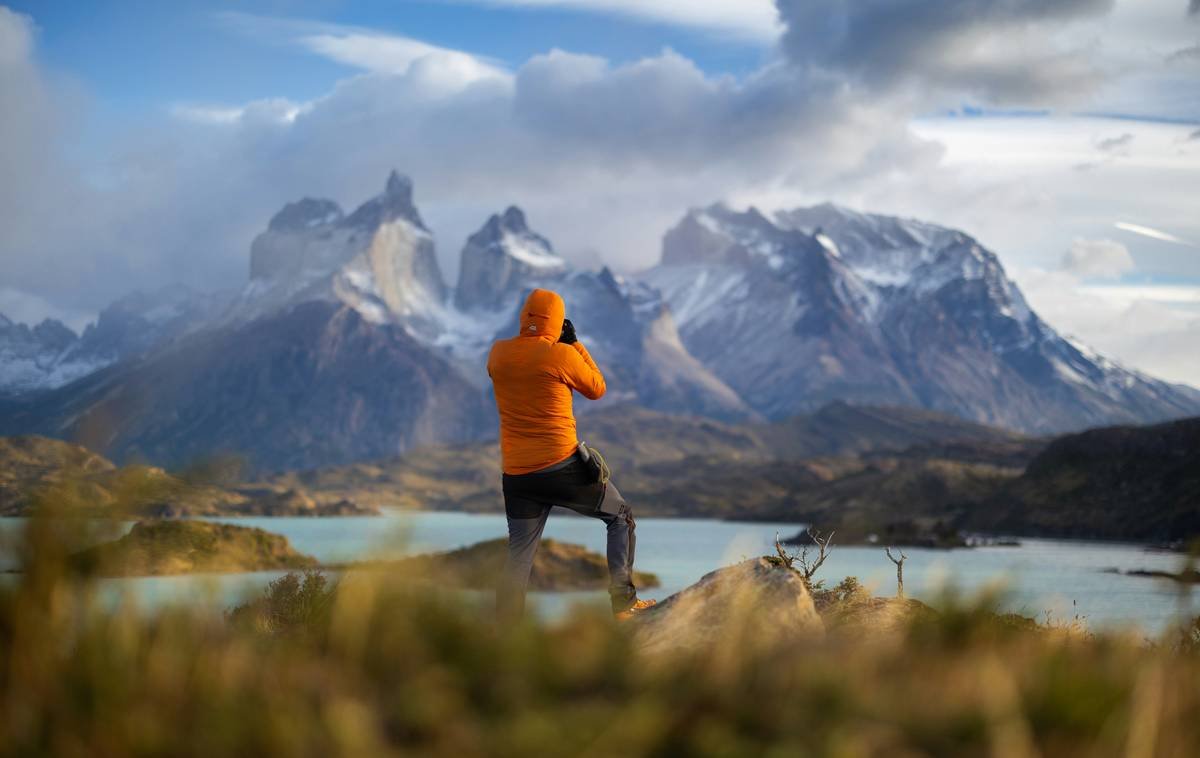
Moral? If your gear doesn’t earn its place by delivering value *and* surviving conditions, it’s dead weight.
How to Choose the Best Lightweight Outdoor Adventure Camera
What makes a camera truly “adventure-ready”?
It’s not just about being light. It’s about resilience, usability with gloves, and performance in low light—all while fitting in your hip belt pocket.
Step 1: Prioritize ruggedness certifications
Look for:
- MIL-STD-810H: Military-grade shock, vibration, and temp resistance.
- IPX8 waterproof rating: Submersible beyond 1.5m for 30+ mins—not just “splash-proof.”
- Freezeproof to -10°C (14°F): Critical for alpine or winter hikes.
The Olympus Tough TG-6 and Ricoh WG-6 both meet these standards. GoPro HERO12? Not fully sealed unless you use the housing—which adds bulk.
Step 2: Don’t sacrifice core imaging features
“Rugged” shouldn’t mean “blurry.” You need:
- 1-inch sensor or larger (ideal), or at minimum a high-quality 1/2.3” sensor with good low-light processing.
- Optical zoom (3x minimum). Digital zoom = cropping = quality loss.
- RAW shooting capability for post-processing flexibility.
Phones fake this with computational tricks—but try editing an overexposed canyon shot from your iPhone in Lightroom. Good luck.
Step 3: Test ergonomics in real conditions
If you can’t adjust ISO with gloved hands, it’s useless. Buttons should be tactile, not touchscreens. The Fujifilm XP170 fails here—slick plastic buttons vanish in drizzle. The TG-6? Big, clicky dials even with liner gloves.
Optimist You: “Just use your phone—it’s got great HDR!”
Grumpy You: “Ugh, fine—but only if coffee’s involved… and also if you enjoy losing your entire photo library because your phone died in a thunderstorm.”
7 Pro Tips That Actually Work in the Wild
- Carry spare batteries in an inner pocket. Lithium-ion cells lose efficiency below 40°F (4°C). Body heat helps.
- Use a carabiner mount, not a neck strap. Straps swing, snag, and bounce. Clip your cam to your pack’s sternum strap for quick access.
- Shoot in RAW + JPEG. You’ll thank yourself when trying to recover shadows in forest canopy shots.
- Clean your lens *before* it rains. Dirt + water = smeared images. Microfiber cloth lives in my first-aid kit.
- Avoid “ultra-wide” as your only lens. Great for vistas, terrible for wildlife or trail details.
- Enable GPS geotagging. Later, you’ll map your route in Lightroom or Gaia GPS—no more guessing “where was that waterfall?”
- Format cards in-camera monthly. Prevents file corruption on multi-week trips.
The Terrible Tip You Should Ignore
“Just buy the cheapest rugged camera on Amazon.” Nope. I tested a $120 “waterproof” knockoff on the Appalachian Trail. It fogged internally after one humid night. Sensor dust ruined half the roll. Save your money—or better yet, save for a certified model. As REI’s gear experts note: “Durability isn’t optional in wilderness photography—it’s foundational.”
Rant Time: Why “Phone-Only” Advocates Are (Mostly) Wrong
Look—I love my iPhone 15 Pro Max. But when you’re standing on the edge of the Grand Canyon at golden hour, do you really want to rely on a slab of glass that:
- Shuts down at 14°F (-10°C)?
- Gets slippery with sunscreen or sweat?
- Lacks optical zoom beyond 3x?
Adventure deserves better. Your memories aren’t disposable—they’re legacy content. Treat them like it.
Real-World Tests: What Survived My Sierra Nevada Trek?
Last summer, I backpacked 52 miles through the John Muir Wilderness with three cameras:
- Olympus Tough TG-6 (10.9 oz)
- DJI Osmo Action 4 (4.6 oz)
- Fujifilm X-E4 (mirrorless, 13.6 oz without lens hood)
Results:
- TG-6: Shot 412 photos and 18 videos. Survived dunk in Evolution Creek. Zero issues. Best for stills + macro (its ring light is chef’s kiss for flower close-ups).
- Osmo Action 4: Killer for POV video, but tiny screen made framing landscape shots guesswork. No zoom. Died day 4—battery couldn’t handle cold nights.
- X-E4: Gorgeous image quality… until I dropped it on granite. Cracked LCD. Never again without a full cage system.
Verdict? For pure hiking—especially solo or off-grid—the TG-6 remains the gold standard. Yes, it’s discontinued, but refurbished units with warranty are available via Olympus’ official store. New contenders like the Ricoh WG-7 (released Q1 2024) show promise with 20MP BSI sensor and LED ring light—but haven’t been stress-tested by me yet.
FAQs About Lightweight Outdoor Adventure Cameras
What’s the lightest waterproof camera for hiking?
The DJI Osmo Action 4 weighs just 4.6 oz, but it’s video-first. For stills, the Olympus TG-6 (10.9 oz) or Ricoh WG-6 (10.7 oz) are lighter than any interchangeable-lens option.
Can I use a drone instead?
Only where permitted. Most U.S. National Parks ban drones. Plus, they add 1–2 lbs and require FAA registration. Not ideal for minimalist backpackers.
Do I really need image stabilization?
Absolutely. Trails are uneven. Wind shakes branches. Handheld shots below 1/500s will blur without IS. The TG-6’s sensor-shift IS saved my butt on a windy Mount Whitney side trip.
How much should I spend?
$300–$500 is the sweet spot. Below $250, durability tanks. Above $600, you’re paying for features you won’t use (like 8K video) at the cost of weight.
Conclusion
A lightweight outdoor adventure camera isn’t a luxury—it’s essential gear if you care about capturing your journey without compromising safety or stamina. Prioritize proven ruggedness, usable controls, and sub-12-oz weight. Forget gimmicks; trust field-tested tools like the Olympus Tough series or new Ricoh WG models. And never, ever let “I’ll just use my phone” be your excuse for missing the shot of a lifetime.
Now go frame that summit view—properly.
Like a Tamagotchi, your camera needs daily care. But unlike a Tamagotchi, it won’t die if you forget to feed it—just if you drop it in a river. So… maybe more like a pet rock with Wi-Fi.