You hike miles into the backcountry, set up your trail cam camera with military precision—and come back to 300 photos of swaying branches and blurry shadows. It’s frustrating. You’re not capturing wildlife; you’re documenting empty air. The gear isn’t broken. Your strategy is.
Most Trail Cameras Fail Because They’re Built for Security—Not Wilderness
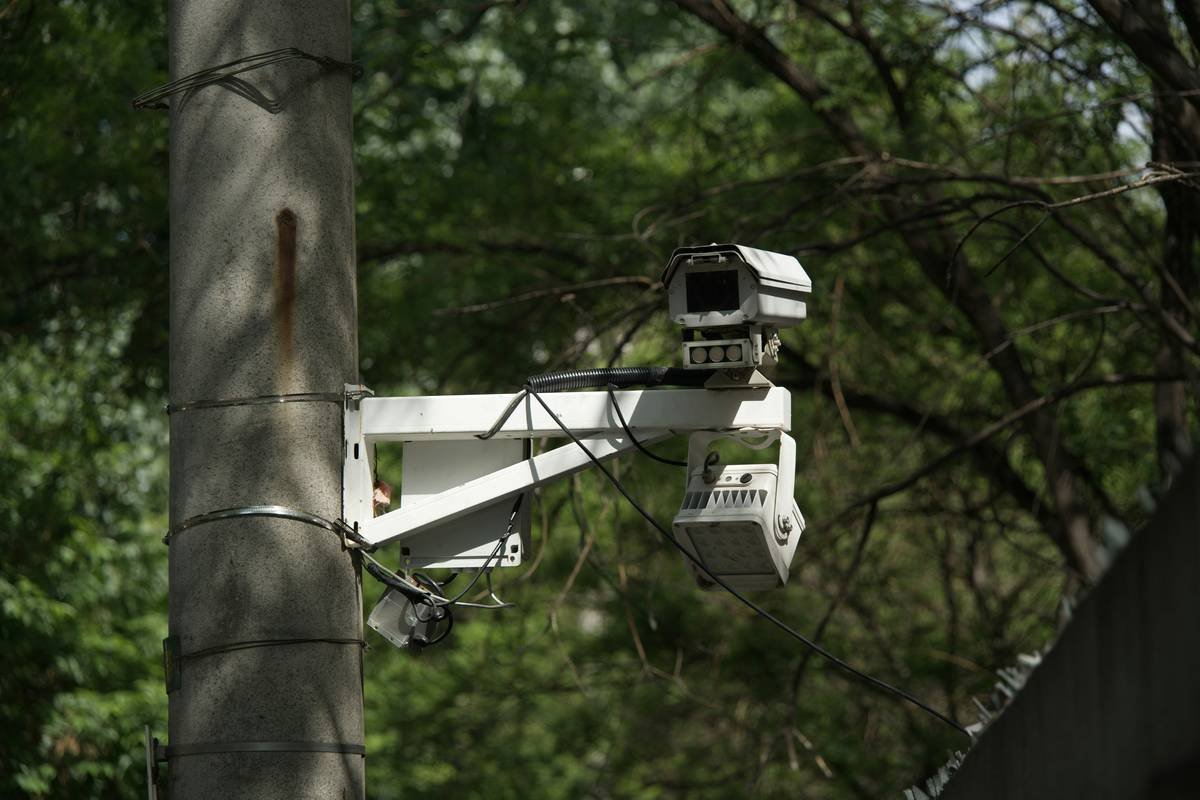
Here’s the reality: many so-called “trail cam cameras” are rebranded security cams with a green shell slapped on. Fast trigger speed? Great—if it fires when a leaf twitches at noon. But miss a mountain lion slipping through at dawn because infrared range was overrated by the brand? Useless.
And don’t get me started on battery life claims. Marketing says “6 months.” Reality? Two weeks in sub-zero temps if you’re lucky.
How to Actually Capture What Moves Through Your Slice of Wild
Placement Beats Megapixels Every Time
Forget 4K video. A 1080p shot of an elk at 20 feet beats a pixelated mess from 100 yards away. Mount your trail cam camera where animals must pass—not where you hope they might. Game trails, water sources, mineral licks. Not random pine stands.
Stealth > Flash
White LEDs scare off everything except raccoons and curiosity. Go with no-glow infrared or black flash. Yes, it costs more. But would you rather have one clear photo of a bobcat—or dozens of startled deer bolting from a strobe?
Test Before You Trust
Spend 48 hours testing your setup near your car before hiking it deep. Check angle, detection zone, and false triggers. Wind, rain, even heat shimmer can fool cheap PIR sensors.
| Feature | Budget Model (<$100) | Mid-Tier ($100–$250) | Pro Grade (>$250) |
|---|---|---|---|
| Trigger Speed | 1.2–2.0 sec | 0.3–0.8 sec | 0.1–0.3 sec |
| Night Vision Range | 40–60 ft (visible red glow) | 70–90 ft (low-glow IR) | 100+ ft (no-glow IR) |
| Battery Life (Real World) | 2–4 weeks | 6–10 weeks | 4–6 months |
| False Trigger Rate | High (leaves, rain) | Moderate | Very low (adaptive AI filters) |
The Industry Secret No Brand Will Admit
Most trail cam failures aren’t hardware—they’re behavioral. Animals avoid anything that smells like humans, plastic, or metal. And yet, 90% of users slap their trail cam camera on a tree with bare hands, leave footprints, and wonder why nothing shows up.
Here’s what veteran trackers do: wear gloves. Wipe the unit with unscented vinegar or earth-scented cloth. Face the lens slightly downward to reduce sky glare. And never—ever—check the SD card mid-season. That human scent resets the entire corridor’s trust.
The math is simple: less intrusion = more truth.
Frequently Asked Questions
Can a trail cam camera work in heavy rain or snow?
Yes—if it’s rated IP66 or higher. Most mid-tier and pro models handle precipitation fine. Avoid mounting under dripping branches though; water on the lens causes blur.
How often should I check my trail cam camera?
Every 4–8 weeks max. Frequent visits leave scent and disturb wildlife patterns. Set it, forget it, and let the wild do its thing.
Do trail cam cameras scare animals away?
Poorly placed or scented units do. Silent, odor-free cams with no-glow IR? Most animals never notice them. Deer might glance once—then keep walking.