Ever lugged around a bulky DSLR on a 10-mile hike only to realize you’ve taken three blurry photos? Yeah, we’ve all been there. It’s frustrating, exhausting, and honestly, kind of defeats the purpose of capturing those breathtaking mountain views in the first place.
In this post, we’ll dive deep into the world of lightweight adventure cameras, helping you find the perfect balance between portability and performance. You’ll learn:
- Why your old camera might be holding you back
- Step-by-step advice on choosing the best lightweight adventure camera for your needs
- Tips for maximizing your outdoor photography without weighing yourself down
- Real examples from adventurers who nailed it (and one epic fail)
Table of Contents
- Key Takeaways
- The Problem with Heavy Gear: Why Weight Matters
- How to Choose the Perfect Lightweight Adventure Camera
- Tips for Using Your Lightweight Adventure Camera Like a Pro
- Real-Life Success Stories (And What NOT to Do)
- Frequently Asked Questions About Lightweight Cameras
- Final Thoughts
Key Takeaways
- A lightweight adventure camera is essential for hikers who want to capture stunning shots without feeling weighed down.
- Look for features like durability, battery life, and waterproofing when choosing your ideal camera.
- No matter how good your gear is, bad technique can ruin your pics—but don’t worry, we’ve got tips to fix that!
The Problem with Heavy Gear: Why Weight Matters
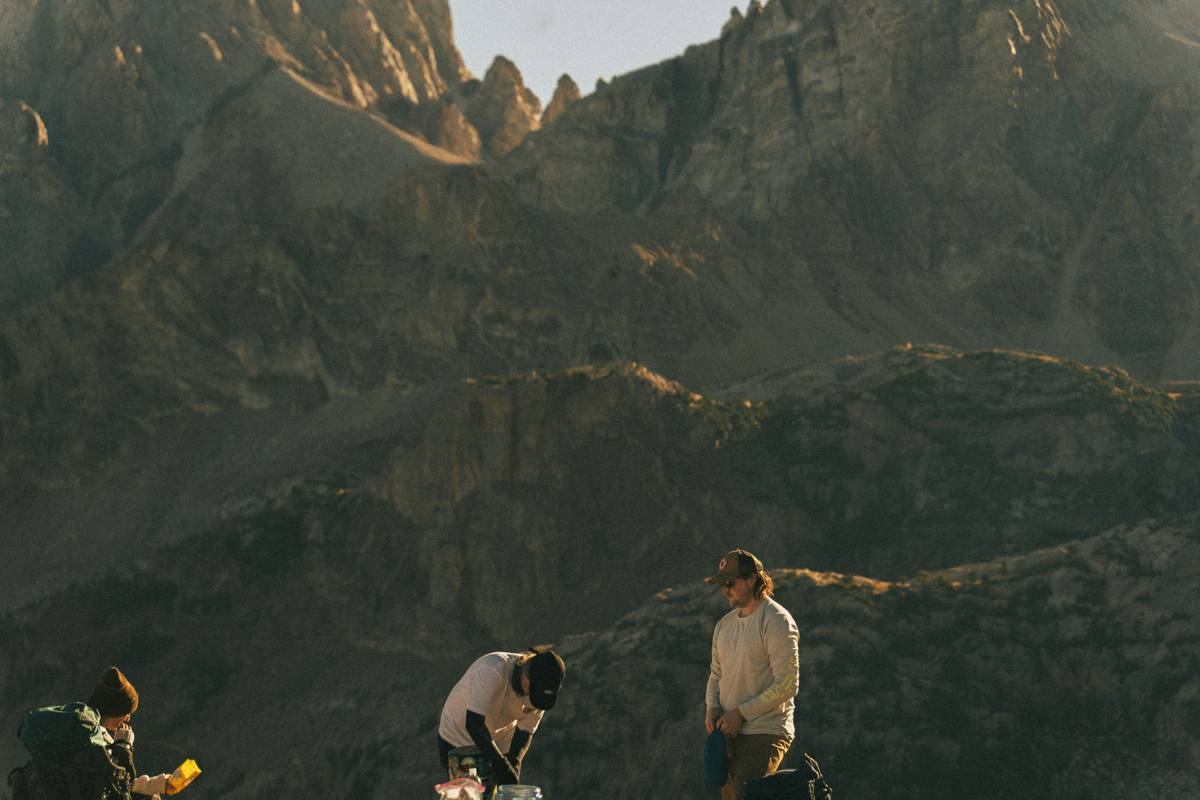
Let me tell you about my rookie hiking mistake: I once carried a full-sized DSLR strapped to my chest while climbing a steep ridge. By the time I reached the summit, my arms felt like overcooked spaghetti and my back screamed louder than my inner dialogue screaming at me to “stop being so extra.”
Here’s the brutal truth—most traditional cameras aren’t built for rugged outdoor adventures. Sure, they might give you incredible image quality, but what’s the point if every step feels like you’re carrying an anchor?
“Hiking isn’t just about getting somewhere; it’s about enjoying the journey,” said no one ever while shouldering a 5-pound camera. The solution? A top-notch lightweight adventure camera. These little wonders are designed to handle tough conditions without making you hate life along the way.
How to Choose the Perfect Lightweight Adventure Camera
“Optimist You:” ‘Follow these steps, and you’ll have the ultimate hiking companion!’
“Grumpy You:” ‘Ugh, fine—but only if coffee’s involved.’
Step 1: Prioritize Portability
No brainer, right? Your camera should fit comfortably in your daypack or even a jacket pocket. Anything heavier than half a pound starts creeping into “too heavy” territory faster than you’d think.
Step 2: Look for Durability
Hiking often means unpredictable weather and rough terrain. Waterproofing, shockproofing, and dust resistance are must-haves for any lightweight adventure camera.
Step 3: Check Battery Life
You do NOT want to run out of juice halfway through filming that golden-hour sunset timelapse. Aim for at least 300 shots per charge—or bring a power bank as backup.
Step 4: Consider Image Quality vs. Specs
While megapixels matter, sometimes simpler is better. Many compact adventure cameras excel in low-light situations because they’re optimized for nature shoots—not studio perfection.
Tips for Using Your Lightweight Adventure Camera Like a Pro
- Leverage Natural Light: Golden hour magic is real. Learn how to position yourself based on sunlight direction.
- Steady Your Shots: Always use both hands (or invest in a mini tripod).
- Don’t Overthink Composition: Sometimes simplicity shines brighter than complexity.
- [Terrible Tip Alert!] Avoid Overusing Filters: Seriously, stop slapping Valencia filters on everything. Let the scene speak for itself.
Real-Life Success Stories (And What NOT to Do)
Case Study 1: Emma, a veteran hiker, swears by the GoPro HERO series. Her favorite shot? A panoramic view of Banff National Park captured mid-hike. She uses a chest mount to keep her hands free while still documenting the journey seamlessly.
Case Study 2: James learned the hard way why waterproofing matters. On his Alaska trek, he dropped his non-waterproof point-and-shoot into icy rapids. Spoiler: His camera didn’t survive.
Frequently Asked Questions About Lightweight Cameras
Is a smartphone enough for hiking photography?
Short answer: Maybe. But let’s be honest, dropping your phone in mud is worse than wrecking a $200 action cam. Plus, dedicated lightweight adventure cameras often offer greater zoom range and better stabilization.
Can I edit photos quickly after shooting?
Absolutely. Most modern cameras connect directly to smartphones via Bluetooth or Wi-Fi for instant editing in apps like Snapseed or Lightroom Mobile.
What brands make the best lightweight adventure cameras?
Keep an eye on GoPro, Olympus Tough models, and Sony RX0 series—they consistently rank highly among outdoor enthusiasts.
Final Thoughts
Finding the right lightweight adventure camera transforms your hiking experience. Say goodbye to backbreaking camera straps and hello to effortless storytelling. So next time you hit the trails, remember: less bulk = more freedom.
Oh, and before you go…
Summit sunsets, golden light,
Capture moments sharp and bright.
A Tamagotchi for your pack—keep it fed with care!