You’ve trekked miles through rain-slicked ridgelines, scaled switchbacks at dawn, and finally reached that alpine lake—only to realize your footage looks like blurry security cam leftovers. Frustrating? Absolutely. Most hikers grab whatever’s cheap or already in their pack. But if you’re serious about capturing raw, immersive trail stories—not just snaps—you need gear built for chaos. Enter premium outdoor cameras: rugged, reliable, and engineered for the unpredictable.
Why Your Current Setup Is Sabotaging Your Trail Footage
Budget action cams leak condensation after a single humid descent. Phone mounts slip off packs during scrambles. Even “weather-resistant” models fog up the moment temperatures swing—which, on Pacific Northwest trails, happens hourly. And forget stabilization; jagged rocks and steep grades turn every clip into a nausea simulator.
Here’s the reality: standard gear wasn’t designed for 12-hour days with elevation swings of 3,000+ feet. It’s made for controlled environments. The trail? It’s anything but controlled.
How to Choose & Deploy Premium Outdoor Cameras Like a Pro
Picking the right camera isn’t about megapixels—it’s about resilience, workflow, and real-world performance in mud, mist, and motion.
Assess Your Core Use Case First
Are you documenting solo expeditions? Filming for YouTube? Capturing wildlife near campsites? Each demands different features. A vlogger needs clean audio and gimbals; a backcountry biologist prioritizes battery life and time-lapse reliability.
Key Specs That Actually Matter Off-Grid
Look beyond marketing fluff. Focus on operating temperature range (–10°C minimum), drop rating (MIL-STD-810H certified is ideal), and lens sealing. Waterproof ≠ weatherproof. Many “waterproof” cams fail under sustained drizzle because seams aren’t properly gasketed.
Mounting Strategy = Shot Quality
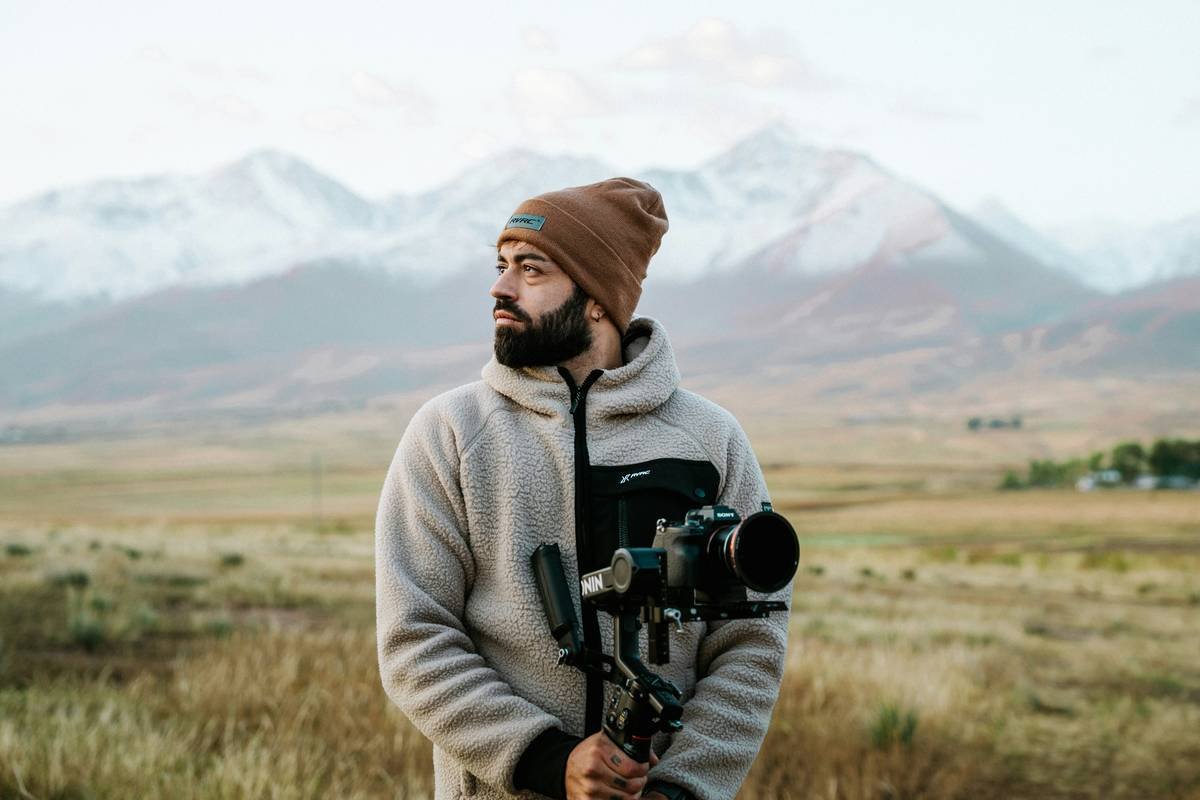
A $600 camera strapped flimsily to a shoulder strap wobbles like jelly. Invest in modular mounting systems—chest harnesses, trekking pole clamps, even helmet mounts—that lock optics steady without adding bulk.
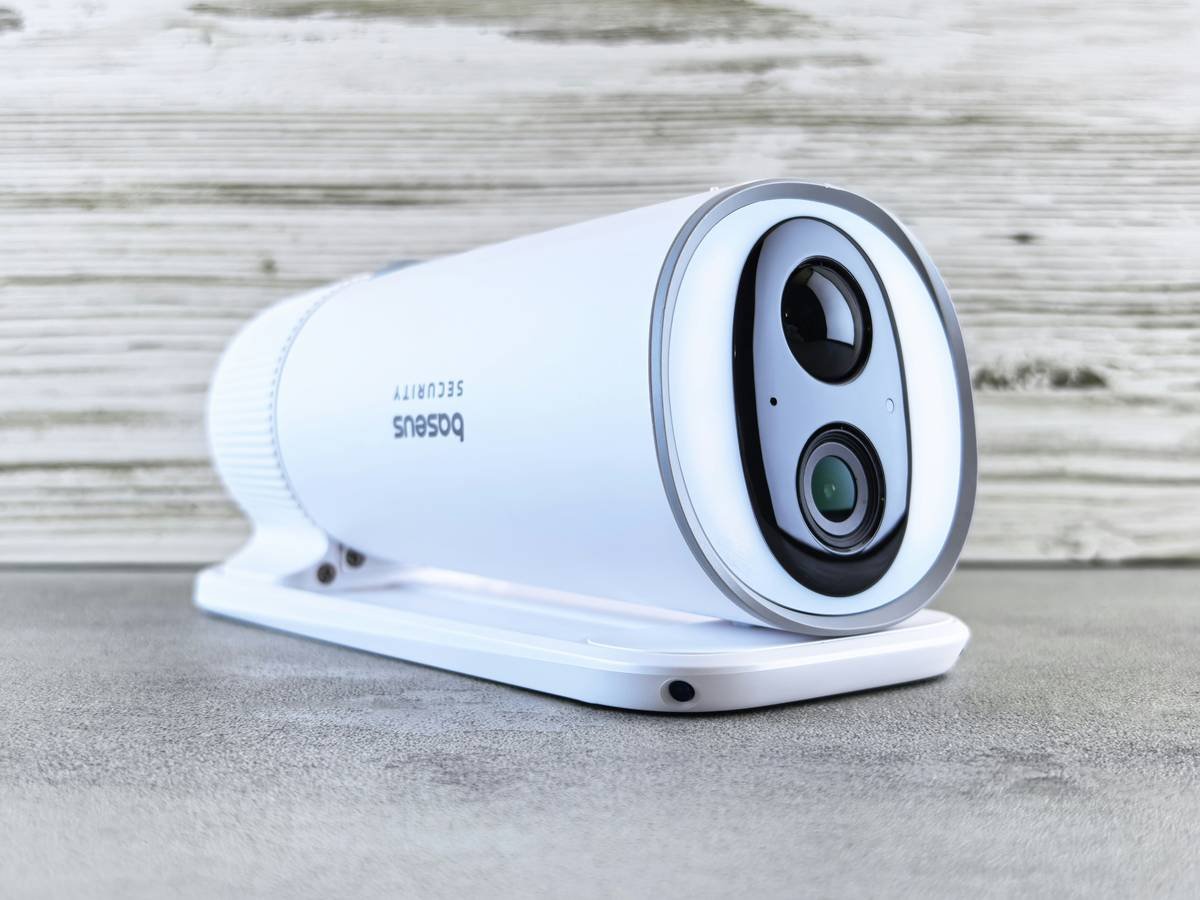
| Feature | Budget Action Cam (<$200) | Premium Outdoor Camera ($400+) |
|---|---|---|
| Operating Temp Range | 0°C to 40°C | –20°C to 60°C |
| Battery Life (Real-World) | 60–75 mins (cold drains faster) | 120+ mins (with cold-optimized cells) |
| Image Stabilization | Digital crop (loses FOV) | Hybrid gyro + EIS (full sensor use) |
| Moisture Resistance | IPX4 (light spray only) | IPX8 + sealed lens port |
| Post-Processing Flexibility | Compressed MP4 only | LOG profiles, RAW photo option |
The Industry Secret: Firmware Updates Make or Break Longevity
Most hikers never think about firmware. Big mistake. Top-tier brands like those used by National Park cinematographers push silent stability patches that fix focus drift in high humidity or recalibrate GPS drift after firmware 2.1. Budget brands? They vanish six months post-launch. No updates. No support. Your $180 cam becomes e-waste by Year 2.
And here’s what no retailer tells you: premium outdoor cameras often include free cloud backup for geotagged footage—critical when your SD card fries mid-expedition. It’s not just hardware; it’s an ecosystem built for survival.
Frequently Asked Questions
Do I really need a premium outdoor camera if I hike occasionally?
If you’re on-trail fewer than 10 days a year, maybe not. But if you chase alpine sunrises or monsoon-season ridgelines, yes—your memories deserve better than corrupted files.
Can smartphones replace dedicated trail cams now?
No. Even flagship phones overheat on long recordings, lack true environmental sealing, and die fast in cold. They’re backups—not primary tools.
What’s the most underrated feature in premium outdoor cameras?
Modular battery systems. Swappable external power lets you film all day without opening the housing—keeping dust and moisture out.