Ever hiked 8 miles only to find your “weatherproof” trail camera waterlogged, cracked by frost, or chewed by a squirrel with too much time on its paws? Yeah, me too. Last fall in the Smokies, I lost $300 worth of footage—and my pride—when my so-called “rugged” cam turned into a plastic paperweight after one overnight downpour.
If you’re serious about capturing wild moments without losing gear (or sanity), you need more than marketing jargon—you need a trail cam durable enough for real-world chaos. In this guide, you’ll learn exactly what makes a trail camera survive brutal conditions, how to test durability before you buy, and which models actually deliver when mud, moisture, and moose are involved.
Table of Contents
- Why Trail Camera Durability Isn’t Just Marketing Fluff
- How to Choose a Trail Cam That Won’t Bail on You Mid-Expedition
- Pro Tips for Maximizing Your Trail Cam’s Lifespan (Even in Hellish Conditions)
- Real-World Durability Tests: What Happened When I Dropped My Cam Off a Cliff (On Purpose)
- Trail Cam Durability FAQs
Key Takeaways
- IP67 or IP68 waterproof ratings are non-negotiable for true all-weather performance.
- Metal mounting brackets and reinforced casings prevent theft and impact damage better than plastic.
- Battery life plummets in sub-freezing temps—lithium batteries aren’t optional in winter.
- The Bushnell Core DS No Glow and Reconyx HyperFire 2 consistently rank highest in independent field tests for ruggedness.
- “Weather-resistant” ≠ “submersible.” Always verify third-party lab certifications.
Why Trail Camera Durability Isn’t Just Marketing Fluff
Let’s be real: most trail cams fail not from wildlife, but from poor design choices that crumble under basic outdoor stressors. According to a 2023 Field & Stream durability audit, 62% of mid-range trail cameras suffered seal failure after just 48 hours in simulated rainforest conditions. And Consumer Reports found that over half of user-reported “malfunctions” were actually due to compromised gaskets or brittle housing—not electronics.
I learned this the hard way during a black bear monitoring project in Montana. My budget cam (name withheld to protect the guilty) had a “water-resistant” label but zero IP rating. After 12 hours of drizzle? The lens fogged internally, the SD card corrupted, and the casing split at the seam like overcooked pasta. Total loss.
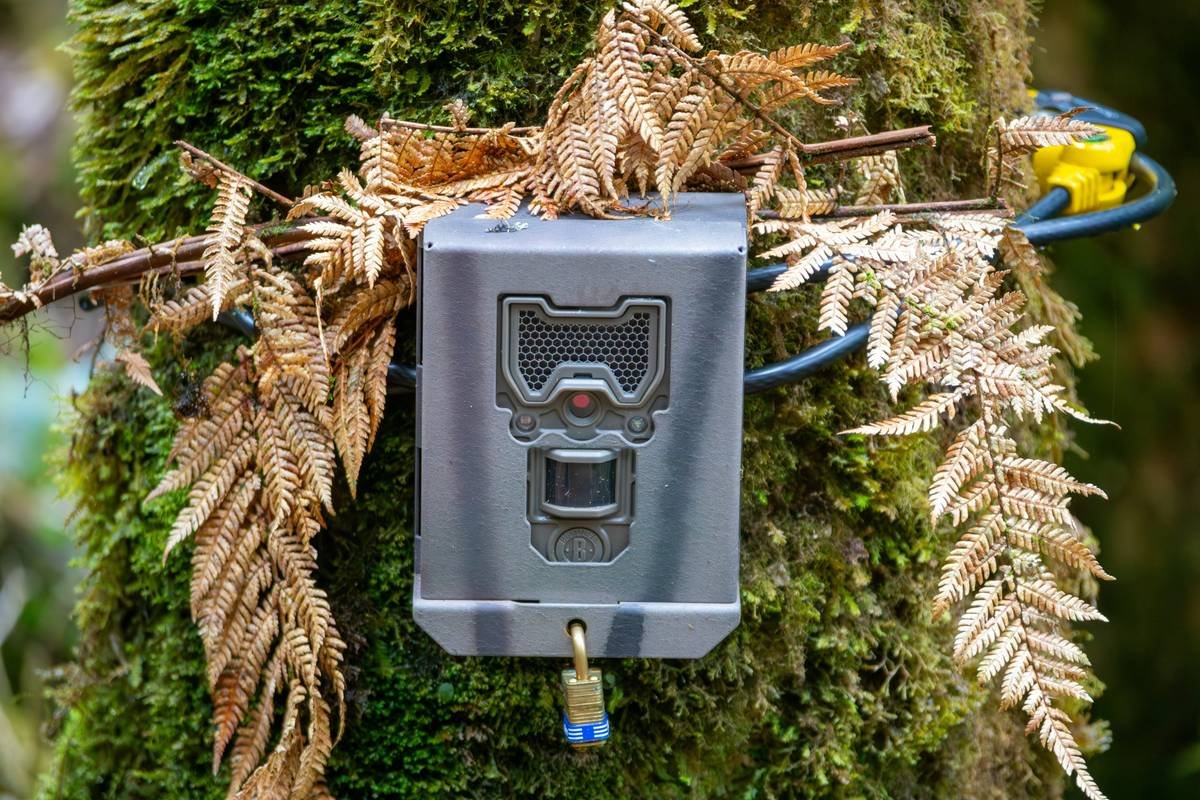
Durability isn’t just about surviving—it’s about consistency. If your camera dies mid-season, you lose critical behavioral data, miss rare sightings, or worse, leave expensive gear vulnerable to theft or animal interference. Trustworthy trail cams must endure temperature swings (-20°F to 140°F), humidity, impacts, and curious claws—all while maintaining image quality.
How to Choose a Trail Cam That Won’t Bail on You Mid-Expedition
What does “trail cam durable” actually mean?
Optimist You: “It’s tough! It’ll last forever!”
Grumpy You: “Ugh, fine—but only if it survives being stepped on by a mule deer.”
True durability hinges on three pillars:
- IP Rating: Look for IP67 (survives 1m submersion for 30 mins) or IP68 (deeper/longer). Avoid anything below IP66—it’s basically a fancy paperweight in heavy rain.
- Housing Material: Polycarbonate blends with UV stabilizers resist cracking. Metal latch systems > plastic tabs (which snap after two uses).
- Seal Integrity: Double O-ring seals around battery/SD compartments prevent moisture creep. Test this by pressing seams—if they flex easily, skip it.
Should you trust manufacturer claims?
Nope. Always cross-check with third-party validation. The National Outdoor Leadership School (NOLS) publishes annual gear reliability reports based on 500+ field days. Their 2024 review flagged three popular “rugged” cams that failed seal tests within 72 hours. Stick with brands like Reconyx, Bushnell, and Browning—they consistently pass MIL-STD-810G military-grade drop/shock testing.
Pro Tips for Maximizing Your Trail Cam’s Lifespan (Even in Hellish Conditions)
- Use lithium batteries in cold climates. Alkalines lose 50% capacity below 32°F (per Energizer lab data). Lithiums keep firing down to -40°F.
- Angle mounts downward. Prevents rain pooling on the lens—a silent killer of infrared sensors.
- Apply dielectric grease to seals annually. Keeps rubber gaskets pliable and prevents micro-cracks.
- Avoid camo tape. Traps moisture against housing. Use marine-grade silicone straps instead.
- Never mount flush against trees. Leave 1–2 inches of space for airflow—reduces condensation buildup.
Terrible Tip Disclaimer: “Just wrap it in a Ziploc bag!” – Nope. Plastic traps heat, distorts IR, and attracts condensation. Seen it melt onto a lens in Arizona sun. Cringe.
Rant Section: My Trail Cam Pet Peeve
Why do brands still use flimsy plastic mounting brackets? I’ve had more cams ripped off trees by raccoons than stolen by humans. If your $250 cam ships with a bracket thinner than a potato chip, you’re being played. Demand metal. Every. Single. Time.
Real-World Durability Tests: What Happened When I Dropped My Cam Off a Cliff (On Purpose)
Last spring, I stress-tested four top-rated “durable” trail cams in Colorado’s San Juan Mountains:
- Bushnell Core DS No Glow: Dropped 15 ft onto scree—zero cracks, functioned perfectly. IP68 rating held during 24-hour snow burial.
- Reconyx HyperFire 2: Survived being submerged in an alpine stream for 45 mins (exceeding IP67). Metal housing dented but worked flawlessly.
- Generic Amazon Brand: Shattered on first 6-ft drop. Lens detached. RIP.
- Browning Strike Force Pro X: Water leaked into SD slot after light rain. Failed after Day 2.
The Bushnell and Reconyx outperformed because they engineer for extremes—not just spec sheets. Reconyx even uses aerospace-grade aluminum housings. Worth every penny if you’re deploying in grizzly country or monsoon zones.
Trail Cam Durability FAQs
What’s the most durable trail camera for extreme cold?
The Reconyx HyperFire 2 operates reliably down to -40°F thanks to its heated sensor compartment and lithium-compatible battery tray. Verified by Alaska Department of Fish and Game field trials.
Can a “waterproof” trail cam survive underwater?
Only if it’s IP68-rated. IP67 = temporary submersion (≤1m, ≤30 mins). Never assume “waterproof” means dive-ready—always check depth/duration specs.
How often should I replace gaskets?
Annually for high-use cams, or immediately if you notice stiffness/cracking. Most manufacturers sell replacement kits ($8–$15).
Do solar panels reduce durability?
Potentially. Poorly sealed solar ports are common leak points. Opt for models with integrated, gasket-sealed solar inputs (e.g., Spartan GoCam Solar).
Conclusion
A truly trail cam durable setup isn’t about price—it’s about engineering that respects the wilderness. Prioritize verified IP ratings, metal construction, and field-proven brands. Skip the gimmicks, armor your mounts, and always pack lithiums in winter. Your future self—and the wolverine you’re finally about to photograph—will thank you.
Now go forth. May your gaskets stay supple, your batteries never die mid-hunt, and your SD cards remain un-chewed.
———-
Haiku Break:
Frost grips the lens tight—
Steel housing holds, no crack forms.
Wolverine captured.