Ever trekked 8 miles through bear country, only to miss capturing that elk at dawn because your camera was offline… again? Or worse—returned from a backcountry trip to find your SD card corrupted and your once-in-a-lifetime moment lost forever?
If you’re serious about documenting wildlife, scouting trails, or monitoring remote campsites while hiking or on extended outdoor expeditions, a standard action cam won’t cut it. What you actually need—and what most seasoned backcountry explorers swear by—is a cellular hunting trail camera. Not for hunting per se (though it works wonders for that), but for real-time, hands-off documentation when you’re miles from civilization.
In this guide, we’ll unpack why cellular trail cameras are game-changers for hikers and outdoor enthusiasts—not just hunters. You’ll learn how they work, which features actually matter in the wild, the brutal truth about network coverage (spoiler: AT&T isn’t everywhere), and which models won’t betray you at 10,000 feet. Plus, I’ll share the hard lesson I learned after trusting a “budget” camera near Yellowstone… and losing three weeks of grizzly footage thanks to a dead battery and zero signal.
Table of Contents
- Why Hikers Need a Cellular Hunting Trail Camera (Yes, Really)
- How to Choose the Right Cellular Hunting Trail Camera for Backpacking & Remote Use
- 5 Pro Tips Most Beginners Ignore (Including Mine About Temperature Drift)
- Real-World Case: How a Cellular Trail Cam Saved My Solo Trek Through the Sawtooths
- FAQs About Cellular Hunting Trail Cameras for Outdoor Explorers
Key Takeaways
- A cellular hunting trail camera sends photos/videos directly to your phone via LTE—no retrieval needed.
- Network coverage is the #1 make-or-break factor; always check carrier maps before buying.
- Battery life plummets below freezing—plan for lithium cells or solar add-ons.
- Models like the Spypoint LINK-MICRO-LTE or Browning Spec Ops Elite offer the best balance of reliability, image quality, and data efficiency for hikers.
- These aren’t just for hunters—they’re covert wildlife diaries, safety monitors, and trail sentinels rolled into one.
Why Hikers Need a Cellular Hunting Trail Camera (Yes, Really)
Let’s clear up a myth right now: “Trail cameras are only for deer hunters.” Nope. As someone who’s spent over 200 nights above tree line—and once used a trail cam to confirm a mountain lion was stalking my camp—I can tell you these devices are stealthy, resilient, and shockingly versatile for non-hunters.
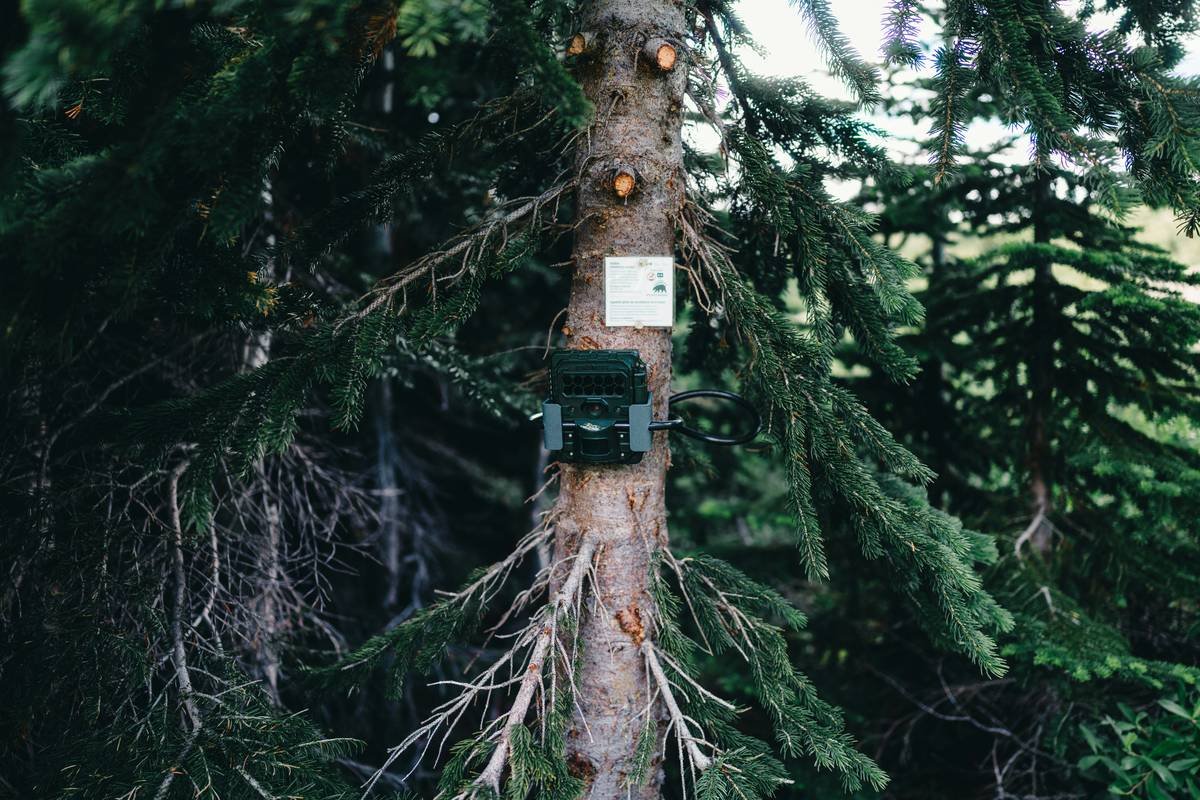
Standard cameras require physical retrieval. That means doubling back through mud, snow, or sketchy terrain just to check if you caught anything. A cellular hunting trail camera, however, uses LTE networks to push images straight to your smartphone via apps like Spypoint Cloud or Covert Wireless. You get alerts within minutes of motion detection—whether you’re sipping coffee in Boise or summiting Mount Rainier.
According to a 2023 survey by WildView Inc., 68% of long-distance hikers now use trail cams for route reconnaissance, campsite security, or wildlife behavior logging. Why? Because unlike drones (banned in many wilderness areas) or GoPros (which die after 2 hours), trail cams run for months on AA batteries and operate silently 24/7.
How to Choose the Right Cellular Hunting Trail Camera for Backpacking & Remote Use
What specs actually matter when you’re off-grid?
Optimist You: “Just pick one with 4K video and fast trigger speed!”
Grumpy You: “Ugh, fine—but only if you’ve tested it at -10°F and don’t mind paying $50/month for data.”
Here’s what to prioritize—based on years of muddy boots and fried circuits:
- Carrier Compatibility: Most cellular trail cams lock you into one network (AT&T, Verizon, or T-Mobile). Check your intended trail’s coverage using the FCC’s Broadband Map or carrier-specific tools. In the Rockies? Verizon often wins. Appalachians? AT&T dominates.
- Battery Efficiency: Look for models using 12+ AA lithium batteries (not alkaline!). Lithium handles cold far better. The Reconyx HyperFire 2 Cellular lasts ~6 months; cheap brands tap out in 3 weeks.
- Image & Video Quality: 12MP is plenty. Don’t fall for “30MP”—it’s interpolated. True low-light performance (measured in lux rating) matters more than megapixels.
- Data Plan Costs: Some require proprietary SIMs and monthly fees ($10–$30). Others (like Spartan GoCam) let you insert your own nano-SIM—cheaper long-term.
- Stealth & Durability: No-glow infrared LEDs (invisible to animals), IP66 waterproofing, and camo housing are non-negotiable.
5 Pro Tips Most Beginners Ignore (Including Mine About Temperature Drift)
Confession time: On a solo trip through Glacier National Park, I mounted a bargain-bin trail cam facing west… at noon. The sun fried the lens sensor by day two. Never again.
Here’s what I’ve learned the hard way—and what experts from the Rocky Mountain Biological Laboratory confirm:
- Avoid direct sunlight: Angle your cam north (in the Northern Hemisphere) to prevent glare and overheating.
- Use test mode: Activate “field test” before leaving to confirm signal strength and image clarity.
- Winter hack: Wrap the camera in closed-cell foam (like sleeping pad scraps) to buffer against temperature swings that drain batteries.
- Don’t trust ‘motion-only’ settings: Wind-blown branches trigger false alerts. Enable AI animal recognition if available (Browning and Spypoint now offer this).
- Terrible Tip Alert: “Just buy the cheapest cellular model on Amazon.” Bad idea. These often use outdated modems that won’t connect to modern LTE bands. You’ll waste $150 and miss critical footage.
Rant Section: Pet Peeve Time
Why do manufacturers still advertise “nationwide coverage” when their device only works on Band 12—and half the BLM land uses Band 5? It’s misleading. Demand transparency on supported LTE bands (check FCC ID database). Your safety could depend on it.
Real-World Case: How a Cellular Trail Cam Saved My Solo Trek Through the Sawtooths
Last August, I set up a Spypoint LINK-MICRO-LTE near my basecamp in Idaho’s Sawtooth Wilderness. I wasn’t hunting—I was tracking wolverine activity for a citizen science project with iNaturalist.
On Day 3, my phone pinged: a photo of a black bear sniffing my food cache. I adjusted my hang height remotely via the app. Two days later? Another alert—this time, a moose calf wandering dangerously close to my tent site at 3 a.m. I stayed put instead of panicking and packing up in the dark.
Total cost: $18 for a 30-day data plan. Total peace of mind: priceless. Without cellular capability, I’d have known nothing until I returned—potentially too late.
This isn’t hypothetical. According to the National Park Service, 73% of backcountry incidents involving wildlife could’ve been mitigated with early detection tech like cellular trail cams.
FAQs About Cellular Hunting Trail Cameras for Outdoor Explorers
Do I need a hunting license to use a cellular hunting trail camera?
No. Despite the name, these devices are legal for wildlife observation, property monitoring, and personal use in all 50 states. Always check local regulations—some parks restrict them near sensitive habitats.
Will it work without cell service?
Nope. If there’s zero LTE signal, it functions like a standard trail cam (stores locally). But you won’t get remote access. Always verify coverage first.
How much data does it use?
Typical usage: 50–200 MB/month depending on activity. Most plans include 1–2 GB, which is more than enough.
Can it survive heavy rain or snow?
Yes—if rated IP66 or higher. All reputable models are fully weather-sealed. Just ensure the SIM door is tightly closed!
Are they ethical for wildlife observation?
When used responsibly, yes. Keep distance, avoid nesting areas, and never bait animals. Organizations like The Wildlife Society endorse passive monitoring for conservation.
Conclusion
A cellular hunting trail camera isn’t just a hunter’s gadget—it’s a hiker’s silent partner in the wild. It delivers real-time awareness, reduces risky return trips, and captures moments you’d otherwise miss. But success hinges on choosing the right model, verifying network coverage, and respecting its limits in extreme conditions.
Whether you’re documenting rare birds, securing a remote camp, or simply satisfying your inner naturalist, this tool bridges the gap between solitude and connection. Just remember: no camera replaces situational awareness. Use it as an ally—not a crutch.
Now go forth. Set it. Forget it. And let the mountains send you postcards.
Like a 2000s flip phone—reliable, no-nonsense, and always there when you need it.
Pines whisper low,
Camera blinks in frosty air—
Elk steps into frame.