Ever set out on an epic hike, camera in hand, only to miss that elusive deer or bear because you were busy wrestling with your gear? Yeah, us too. It’s equal parts frustrating and heartbreaking. But what if we told you there’s a smarter way to capture wildlife without babysitting a tripod all day?
In this post, we’re diving deep into the world of wireless trail cameras, the ultimate tool for hikers who want to document their outdoor explorations like pros. You’ll learn why these cameras are game-changers, how to pick the perfect one, some pro tips for using them effectively—and yes, even my *epic failure* trying to use Bluetooth while wearing gloves.
Table of Contents
- The Problem: Why Traditional Cameras Fall Short on Trails
- Step-by-Step Guide to Choosing a Wireless Trail Camera
- Top Tips for Getting the Most Out of Your Wireless Trail Camera
- Real-Life Success Stories: Capturing Wildlife Magic
- Frequently Asked Questions About Wireless Trail Cameras
Key Takeaways
- A wireless trail camera lets you capture remote footage without disturbing natural habitats.
- Battery life, connectivity range, and sensor sensitivity are critical factors when choosing one.
- Placement matters more than anything; bad positioning equals missed shots.
- Ditch generic settings—tweak motion detection and photo quality for optimal results.
The Problem: Why Traditional Cameras Fall Short on Trails
Hiking is supposed to be about immersing yourself in nature—not lugging around heavy equipment or replaying blurry images later. Let me share a story: On a solo trip last fall, I tried setting up a basic DSLR rigged with an intervalometer near a stream where elk supposedly gathered. Spoiler alert—it didn’t work. Not only did the battery die within hours (thanks, freezing temps), but every leaf blowing past triggered thousands of useless photos. Talk about sensory overload.
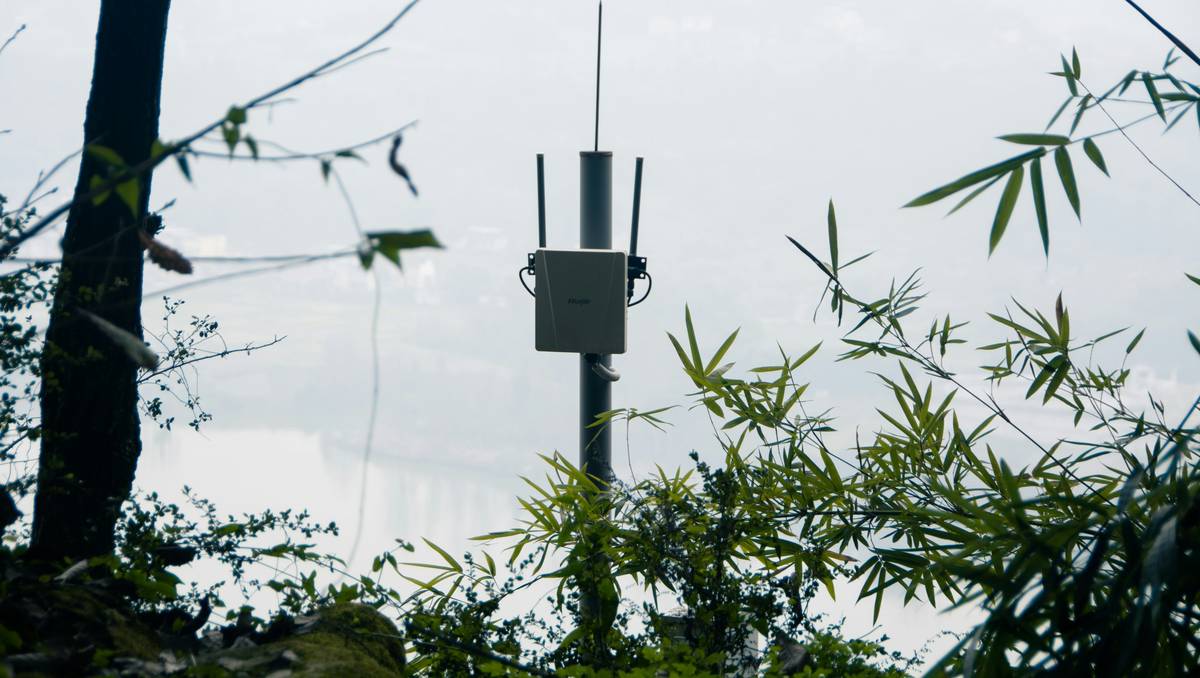
This is where a wireless trail camera comes in clutch. Unlike DSLRs or action cams, they’re built specifically for outdoor monitoring. With features like long battery life, motion sensors, and weatherproof designs, they’re made for adventurers who don’t settle for subpar snapshots.
Step-by-Step Guide to Choosing a Wireless Trail Camera
Optimist You: “Let’s get started!” Grumpy You: “Ugh, fine—but not before coffee.” Got it? Great. Here’s how to choose your dream device:
What Makes a Good Wireless Trail Camera?
- Connectivity Options: Look for models with Wi-Fi or cellular compatibility so you can check footage remotely.
- Detection Range: A minimum 60-foot range ensures you won’t miss distant critters.
- Weather Resistance: Waterproof ratings matter when hiking through rainforests or snowfields.
Best Brands & Models to Consider
- Brand X: Known for reliable night vision and insane battery longevity.
- Model Y: Affordable yet packed with advanced features like GPS tagging.
Top Tips for Getting the Most Out of Your Wireless Trail Camera
Spoiler: Point-and-shoot won’t cut it here. Master these strategies instead:
Tip #1: Perfect Placement
Mount your camera at animal-eye level along well-traveled paths. Bonus points if you can find tracks or droppings nearby as clues.
Tip #2: Tweak Settings Like a Pro
Tailor motion detection zones and delay timers based on activity patterns. For example, set longer intervals during low-traffic seasons to conserve batteries.
Tip #3: Don’t Skimp on Security
Use lockboxes or mount high enough off the ground to prevent tampering. Yep, humans are sometimes worse culprits than bears.
Terrified by overcomplication already? Fair. Just remember: Once it’s set up right, maintenance becomes minimal.
Real-Life Success Stories: Capturing Wildlife Magic
Take Sarah from Colorado, whose trail cam caught a rare bobcat sighting after weeks of patience. Or Mark in Alaska, who documented caribou migrations over months thanks to his solar-powered wireless trail camera. These aren’t outliers—they’re proof that good gear + strategy = jaw-dropping rewards.

Frequently Asked Questions About Wireless Trail Cameras
Q: Are wireless trail cameras worth the investment?
Absolutely! If capturing authentic wildlife behavior is your goal, nothing beats hands-off surveillance.
Q: Can I use a wireless trail camera without cell service?
Yes—if it has Wi-Fi capability or SD card storage. No signal required!
Q: What’s the worst tip ever given about using these cameras?
Some blogs suggest leaving milk cartons as bait. Terrible idea. Animals sniff weirdness faster than you’d think, and trust me, attracting raccoons is asking for chaos.
Conclusion
Wireless trail cameras revolutionize how hikers explore and preserve memories of the wild. By understanding how to choose, set up, and optimize them, you’re guaranteed richer adventures—and maybe even that Instagram-worthy cougar selfie. Remember, though, success takes planning, patience, and…well, probably waterproof boots.
Oh, and before you go:
Nights under stars bright,
The camera hums softly near.
Nature tells her tale.
Cheers to your next adventure!