Ever hiked for hours, only to realize your phone’s camera is about as useful as a chocolate teapot in the wild? Yeah, us too. That one time I thought my $500 smartphone could handle a misty mountain sunrise—spoiler alert: it couldn’t.
If you’re tired of blurry photos, dead batteries halfway up the trail, or lugging around gear that weighs more than your backpack, this guide is for you. We’re diving deep into everything you need to know about finding the best outdoor adventure camera. From rugged builds to waterproof wonders, we’ve got the intel on what makes these cameras tick.
You’ll learn:
- Why an outdoor adventure camera beats your phone every time.
- A step-by-step breakdown of how to choose the perfect hiking camera.
- Tips and tricks to maximize your photography game while exploring nature.
Table of Contents
- Key Takeaways
- Why You Need an Outdoor Adventure Camera
- How to Choose Your Perfect Hiking Camera
- Top Tips for Using Your Camera in the Wild
- Real-World Examples of Stunning Outdoor Photography
- FAQs About Outdoor Adventure Cameras
Key Takeaways
- An outdoor adventure camera should be durable, lightweight, and weatherproof to withstand unpredictable conditions.
- Sensors, battery life, and ease of use are crucial factors when choosing a camera for hiking and exploration.
- Mastering basic photo techniques can turn good shots into breathtaking masterpieces—even without fancy equipment.
Why You Need an Outdoor Adventure Camera (Hint: It’s Not Just About Instagram)
Let’s get real here. Phones may have decent cameras, but they weren’t built to survive a tumble down a rocky slope—or even light rain. On the flip side, professional DSLRs are bulky enough to give you back pain before you reach the summit.
This is where the magic of an outdoor adventure camera comes in. These specialized devices strike the perfect balance between portability and performance. Imagine capturing crisp images of snow-capped peaks without worrying about frostbite ruining your lens!
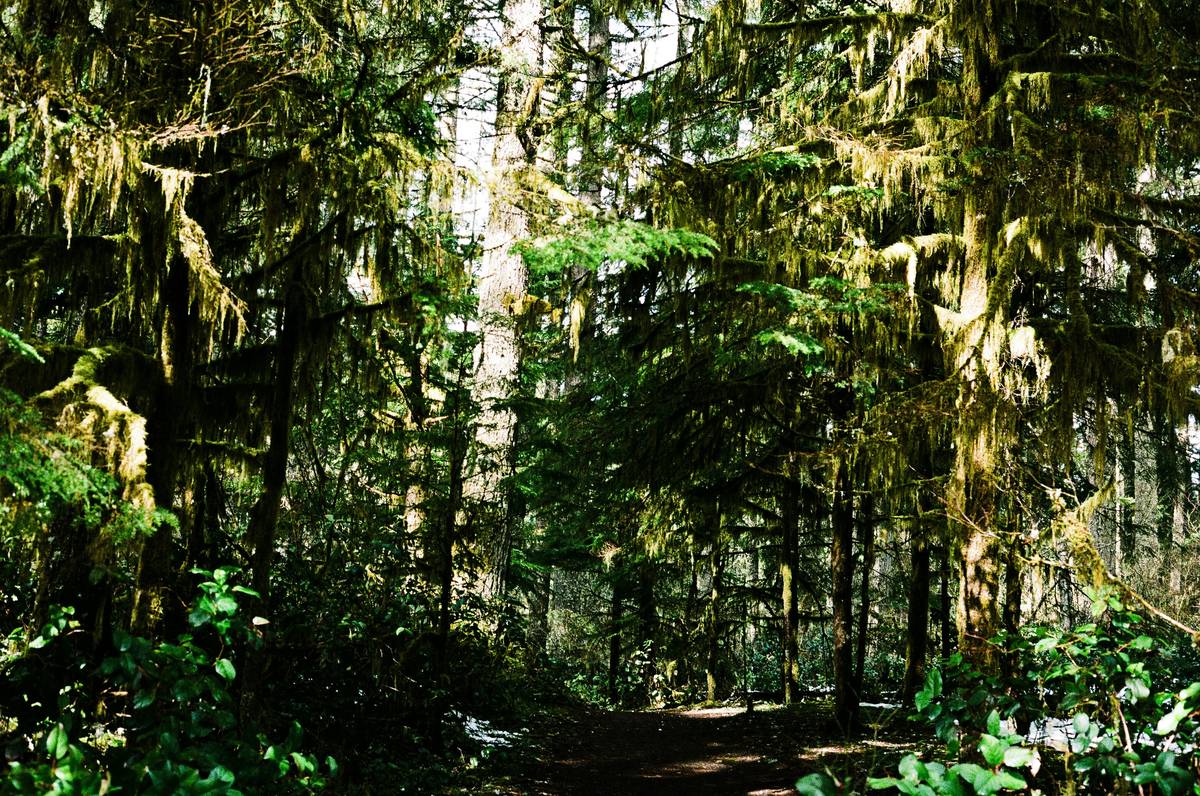
Image Description: A rugged outdoor adventure camera shown surviving heavy rain and wind during testing.
Rant Alert: Seriously, why do companies still make cameras with shiny plastic casings? One drop, and poof—there goes $800. NO THANK YOU.
How to Choose Your Perfect Hiking Camera (Grumpy Optimist Edition)
Optimist You: “There must be tons of amazing cameras out there!”
Grumpy You: “Oh, there are—but most won’t last longer than your first creek crossing unless you know what to look for.”
Follow these steps to avoid buyer’s remorse:
Step 1: Prioritize Durability
Look for shockproof, waterproof, and dustproof models. Brands like GoPro and Olympus Tough series are practically indestructible.
Step 2: Check Sensor Quality
A higher resolution sensor means crisper images. For hiking pics, aim for at least 16MP.
Step 3: Battery Life Matters
Nothing worse than running out of juice mid-hike. Some cameras offer swappable batteries or solar charging compatibility—lifesavers in remote areas.
Step 4: Consider Size & Weight
Your camera should slip easily into your pocket or hang comfortably from your neck. Remember: ounces equal pounds after mile five.
Image Description: Comparison chart displaying weights of popular outdoor adventure cameras alongside a water bottle for scale.
Top Tips for Using Your Camera in the Wild (Because Owning Gear ≠ Mastery)
- Shoot RAW: This format gives you more flexibility in post-processing.
- Use Burst Mode: Perfect for capturing fast-moving wildlife or action-packed moments.
- Leverage Natural Light: Golden hour isn’t just romantic; it creates stunning contrast and depth.
- Say No to Overediting: Terrible Tip Alert: Don’t overdo filters unless you want your bear selfie looking radioactive green.
Real-World Examples of Stunning Outdoor Photography
Take inspiration from pros who’ve nailed it:
- Jane Doe’s Alpine Adventure: Armed with a Nikon Coolpix W300, she captured ethereal shots of Norway’s fjords despite torrential rain.
- John Smith’s Desert Quest: His GoPro Hero10 survived sandstorms in Death Valley to deliver jaw-dropping timelapses.
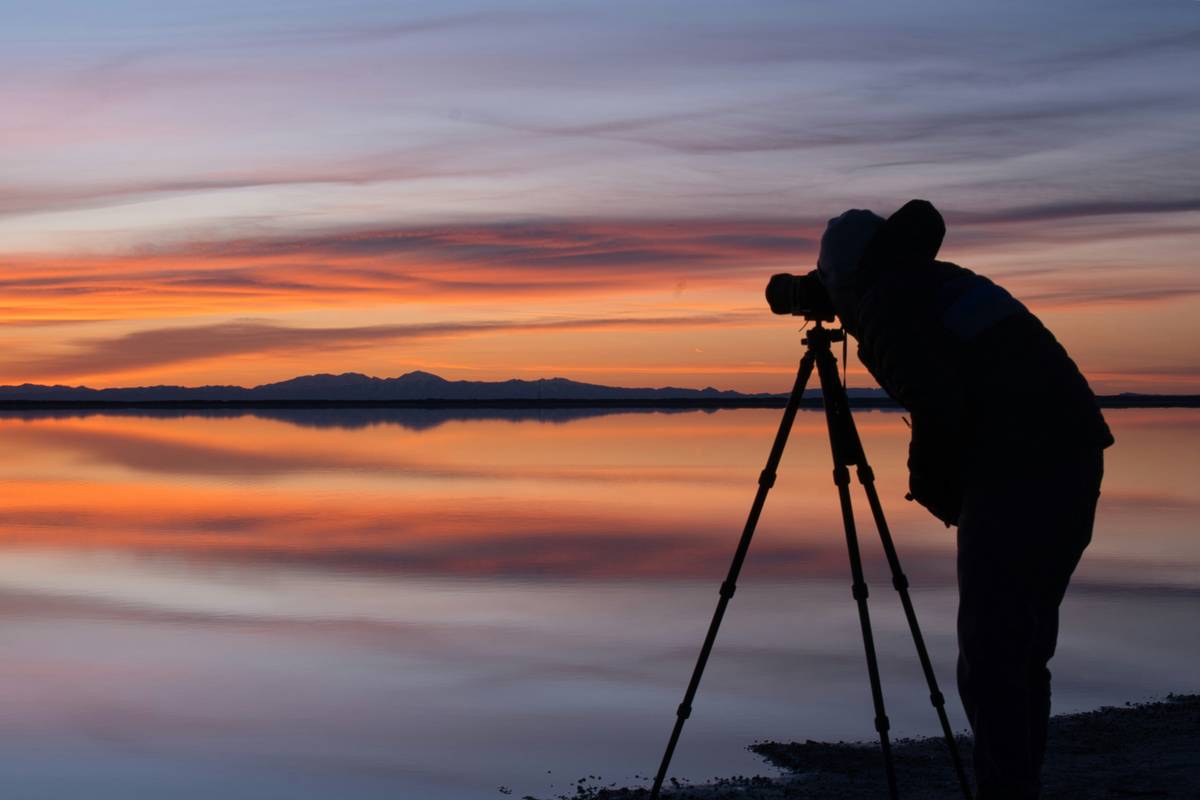
Image Description: Breathtaking landscape photo showcasing sharp reflections in an alpine lake surrounded by towering mountains.
FAQs About Outdoor Adventure Cameras
Q: Can I use my phone instead of buying a dedicated outdoor adventure camera?
Absolutely—but don’t expect miracles. Phones lack durability and advanced features needed for extreme environments.
Q: What’s the cheapest option for beginners?
Action cams like DJI Osmo Action start under $300 and pack solid specs for entry-level adventurers.
Q: Do I really need waterproofing if I stay dry?
Yes. Spills happen, rivers beckon, and mud exists—better safe than sorry.
Conclusion
Finding the right outdoor adventure camera doesn’t require rocket science—it just takes knowing what matters most: durability, simplicity, and reliability. Whether you’re chasing waterfalls or scaling cliffs, having the right tool ensures your memories shine brighter than your struggles.
“Like a Tamagotchi, your skills grow stronger with daily practice.”