Ever dropped your phone while recording an epic hike and lost both the footage AND your dignity? Yeah, it happens.
If you’re serious about capturing every adrenaline-pumping moment without compromising on quality or durability, this guide is for you. We’ll unpack everything about adventure sports cameras, from understanding their importance to picking the perfect one—and yes, I’ll even share a tragic fail involving a GoPro and a waterfall (spoiler alert: not mine). By the end of this post, you’ll know how to select the best gear, optimize its features, and avoid rookie mistakes.
Table of Contents
- Key Takeaways
- Why Adventure Sports Cameras Matter
- Step-by-Step Guide to Picking the Right Camera
- Top Tips for Using Your Adventure Sports Camera
- Real-World Examples of Stunning Hiking Footage
- Frequently Asked Questions
Key Takeaways
- An adventure sports camera is designed specifically for rugged environments where regular phones or DSLRs might fail.
- Waterproofing, battery life, and mounting options are critical factors in choosing the right camera.
- Even the most expensive gear can underperform if you don’t follow basic usage tips—like always formatting SD cards before a trip!
Why Adventure Sports Cameras Matter
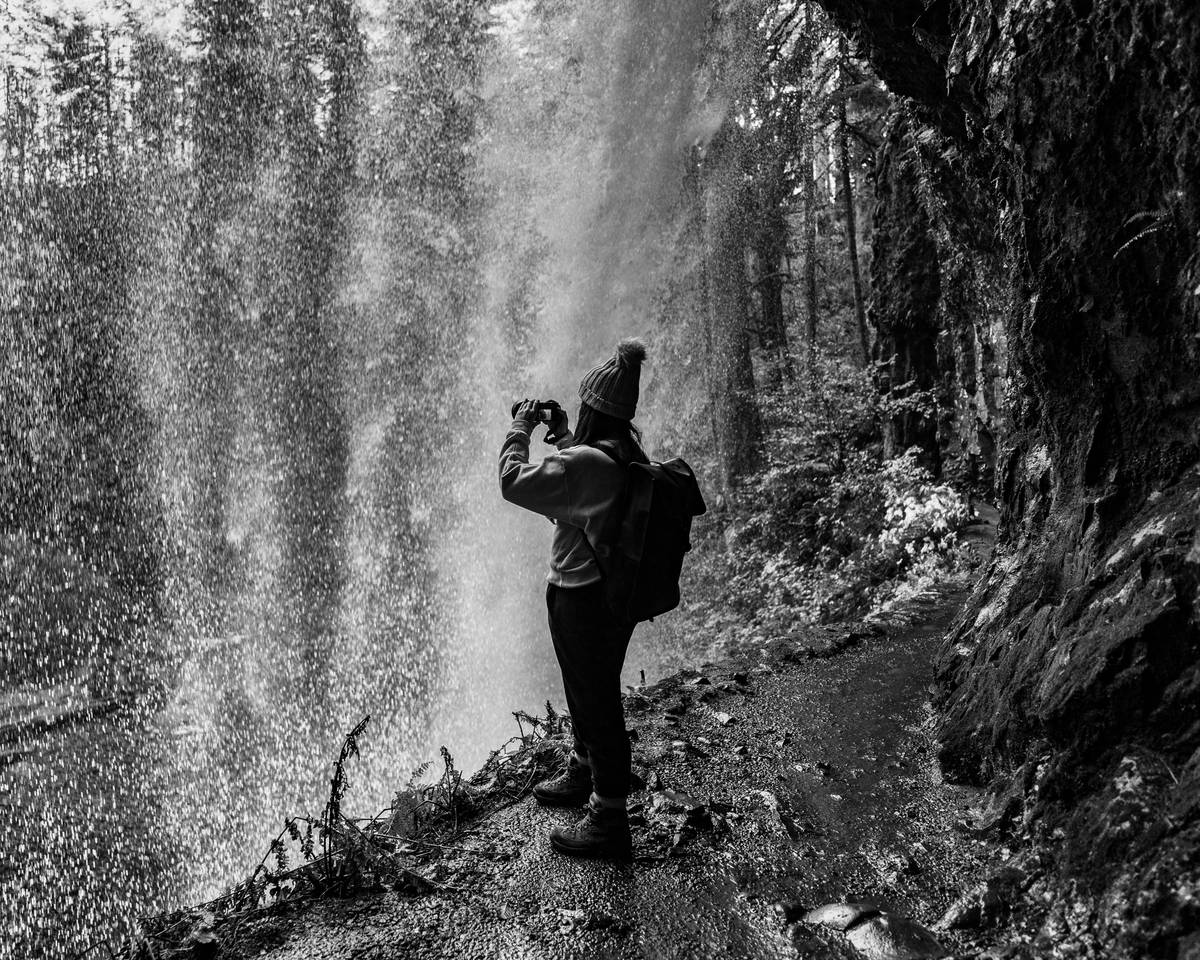
Let’s talk about why investing in an adventure sports camera could be the game-changer for outdoor enthusiasts like yourself. Picture this: You’re scaling a cliff, heart pounding, and suddenly you spot a bald eagle swooping down against a dramatic mountain backdrop. Capturing that magic shouldn’t require balancing a fragile smartphone between sweaty palms—it should feel seamless and safe.
But here’s the kicker: Most people use cheap action cams because “it’s just YouTube,” right? Wrong. A subpar device often results in shaky footage, dead batteries mid-climb, and blurry photos no amount of editing can fix. Trust me; I’ve been there. Once, my buddy strapped his knock-off camera to a helmet only for it to slide off mid-rappel. RIP HD footage—and my trust issues with budget brands.
Sensory Reality Check:
Imagine hearing a loud splash instead of crisp audio during playback. That’s what happened when someone else’s so-called “budget-friendly” gadget drowned faster than Titanic spoilers after streaming services launched. Ouch.
Step-by-Step Guide to Picking the Right Camera
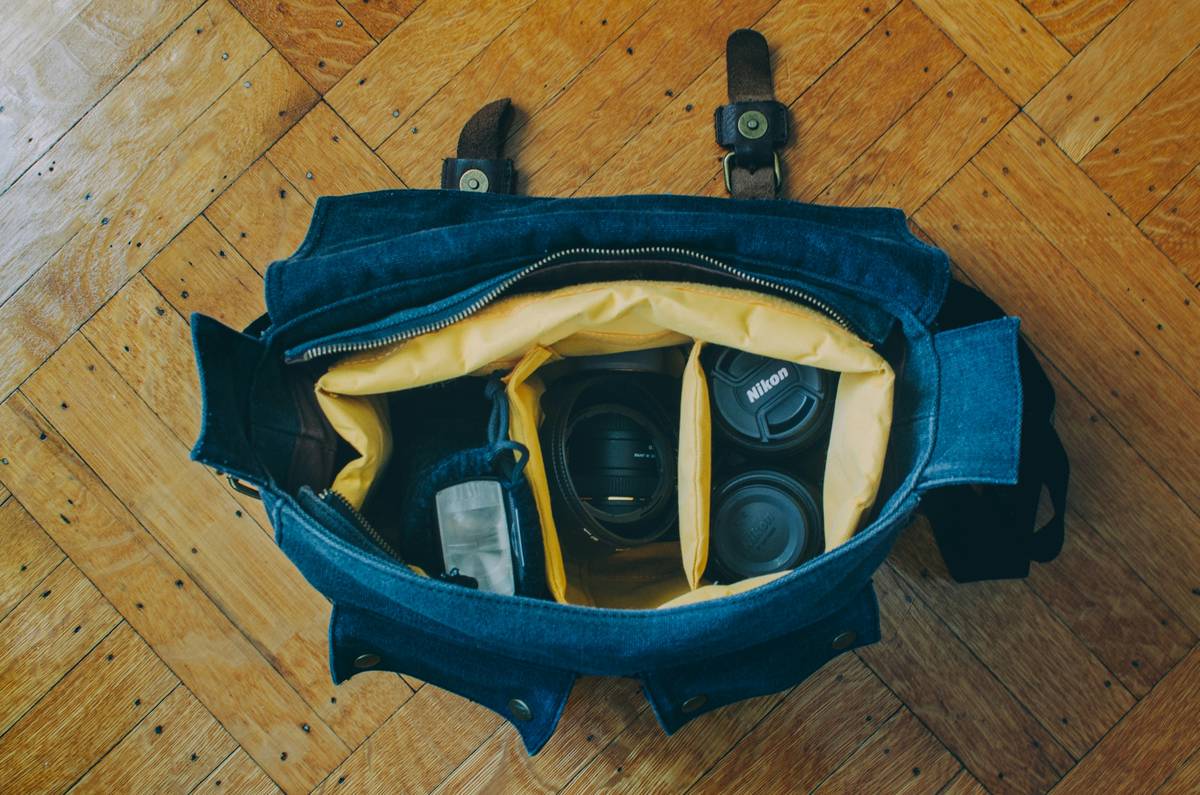
Choosing the ideal adventure sports camera isn’t about finding the flashiest brand but rather ensuring it meets YOUR unique needs as an explorer.
Optimist You:
“There are SO many amazing options out there! Let’s dive deep into specs!”
Grumpy You:
“Specs schmecs… if coffee’s off the menu, count me out.”
Step 1: Define Your Use Case
Will you primarily use the camera for hiking, diving, skiing, or climbing? Each activity demands different functionalities:
- Hiking = Lightweight + Long Battery Life
- Diving = Waterproof Rating + Underwater Mode
- Extreme Sports = Shockproof Design + Mountability
Step 2: Check Key Features
Look for these non-negotiables:
- Resolution & Frame Rate: At least 4K at 60fps for smooth, cinematic clips.
- Battery Life: Minimum 2 hours continuous recording.
- Mount Compatibility: Versatile straps/attachments for hands-free operation.
Step 3: Read Real Reviews
“This waterproof model survived a hurricane” beats “Eh, works okay.” Opt for verified buyer testimonials over marketing fluff.
Terrible Tip Disclaimer:
Buying whatever influencers recommend WITHOUT checking reviews first is a recipe for disaster. Don’t do it. Ever.
Top Tips for Using Your Adventure Sports Camera
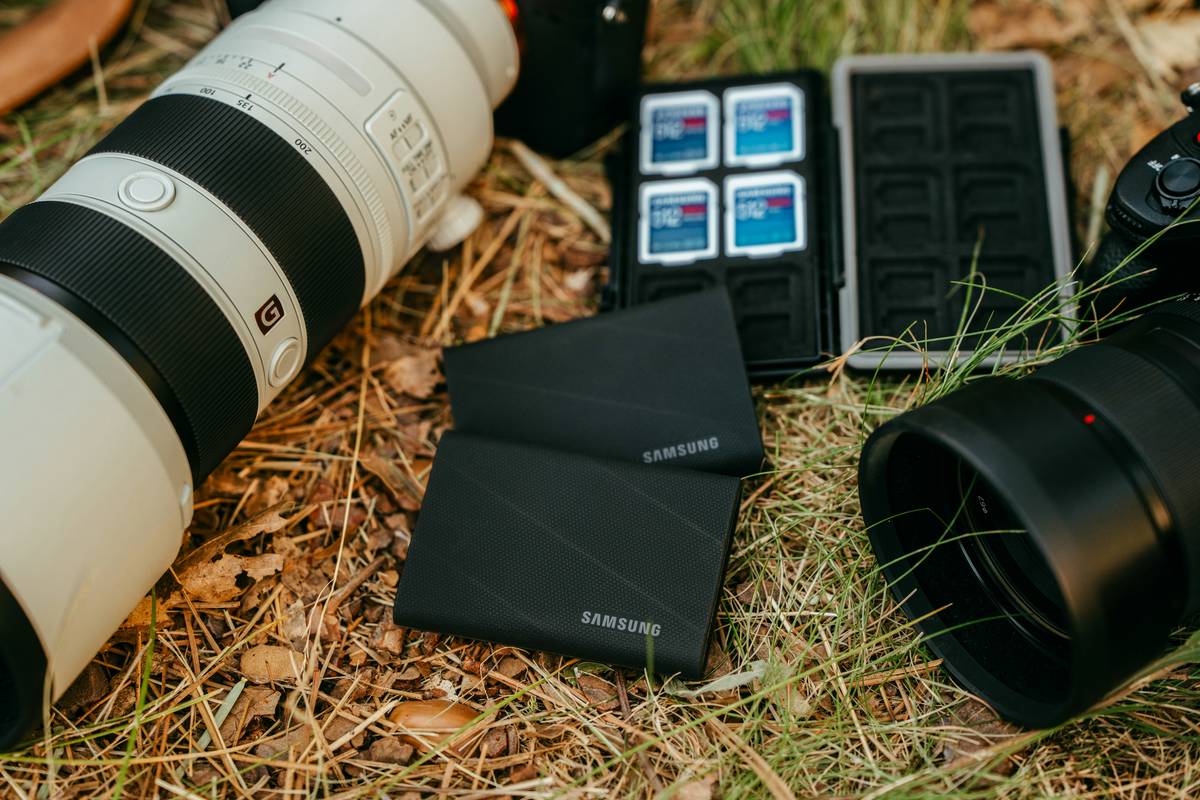
- Always Format Your Memory Card Before Every Trip: Corrupted files kill more vacations than mosquitoes.
- Invest in Extra Batteries: Swapping them saves time versus waiting for recharges.
- Use Manual Settings When Possible: Auto modes struggle in challenging lighting conditions.
Rant Alert:
Nothing grinds my gears more than folks who blame their equipment for poor shots when they haven’t adjusted settings beyond factory defaults. Learn manual controls, people—they exist for a reason!
Real-World Examples of Stunning Hiking Footage
Need inspiration? Here are some jaw-dropping examples:
- Case Study #1 – Yosemite Climber: Used a rugged adventure sports camera to capture 4K footage of El Capitan ascent. The clip went viral thanks to crystal-clear stabilization and bold angles.
- Case Study #2 – Icelandic Explorer: Captured auroras dancing across glaciers by pairing a high-res camera with low-light mode.
Frequently Asked Questions
Q: What makes an adventure sports camera different from a regular action cam?
A: Durability and adaptability. They’re built to withstand harsh elements and offer specialized features like waterproof casing and shockproof designs.
Q: Do I really need 4K resolution?
A: If you plan to edit heavily or showcase on big screens, yes. Otherwise, Full HD suffices for casual sharing.
Q: How much should I expect to spend?
A: Entry-level models start around $150, while top-tier ones can exceed $500. Prioritize value over price tags.
Conclusion
Hunting for the ultimate adventure sports camera? Now you have the tools to pick wisely, use effectively, and create stunning content. Remember—technology alone won’t make every shot Insta-worthy. But armed with insider knowledge and practical tips, you’re ready to conquer new heights and immortalize them forever.
Chef’s kiss: Like your favorite childhood Tamagotchi, treat your camera well, feed it fresh batteries, and it will reward you with endless memories.