Ever strapped a camera to a tree, only to find blurry squirrel selfies and zero wildlife footage? Yeah, us too. Whether you’re a seasoned hiker or an outdoor newbie, capturing elusive wildlife moments can feel like chasing Bigfoot—literally. But what if there was a way to transform your hikes into a nature documentary-worthy adventure?
In this post, we’ll unpack everything about Wildlife Monitoring Cameras—the unsung heroes of hiking and outdoor exploration. You’ll learn how to choose the right gear, where to set them up (without turning your backyard into a raccoon reality show), and tips even the pros overlook. Let’s lace up our boots and dive in!
Table of Contents
- The Wildlife Camera Conundrum: Why It Matters
- Choosing Your Perfect Wildlife Monitoring Camera
- Top Tips for Capturing Nature’s Best Kept Secrets
- Real-Life Success Stories: From Trail to Triumph
- FAQs on Wildlife Monitoring Cameras
Key Takeaways
- Wildlife monitoring cameras are essential tools for capturing authentic animal behavior while hiking.
- Selecting the right camera involves understanding resolution, battery life, and durability.
- Proper placement techniques maximize success rates when deploying cameras.
- Learn common pitfalls, like over-relying on technology or neglecting camouflage strategies.
The Wildlife Camera Conundrum: Why It Matters
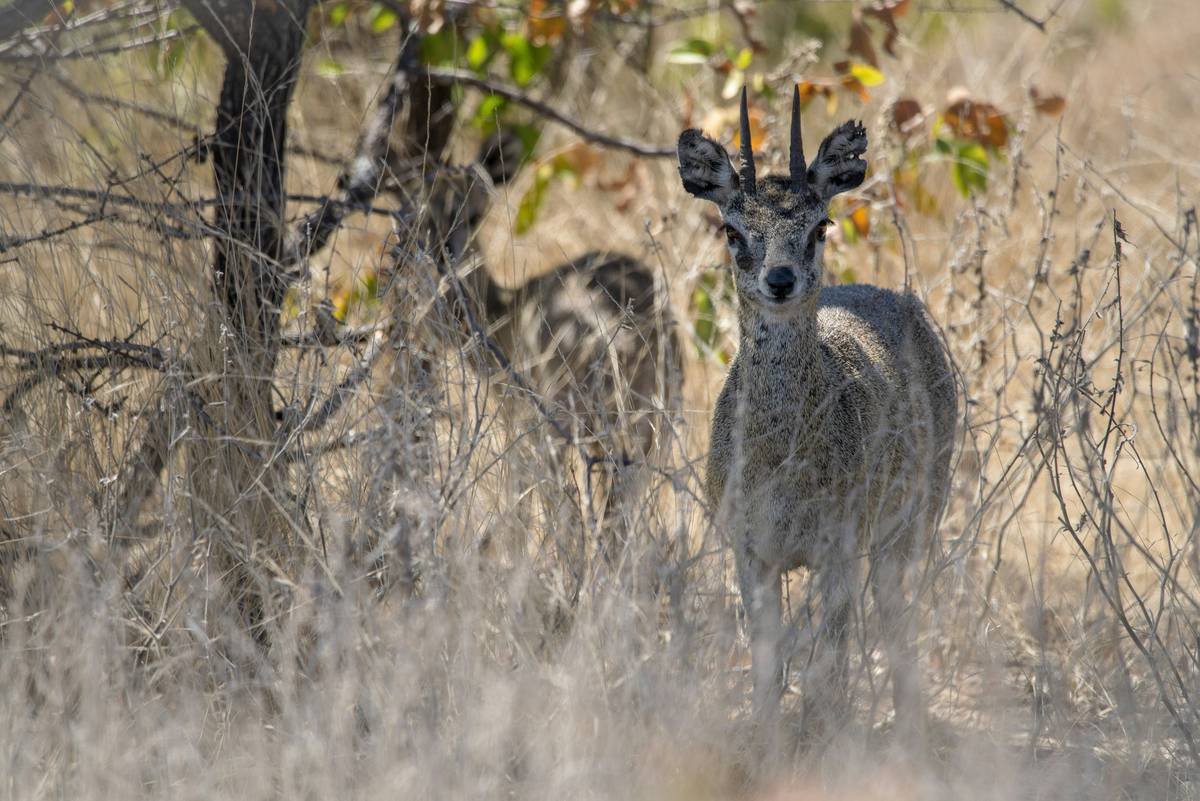
If you’ve ever been on a hike hoping to spot deer, foxes, or maybe even a bear, you know Mother Nature has a sense of humor. Animals have mastered ninja-level stealth, leaving behind just footprints—or worse, nothing at all. This is where Wildlife Monitoring Cameras step in as game-changers.
Imagine coming back from your trip and finding HD footage of a bobcat padding gracefully through your trail. Sounds dreamy, right? But let me confess something: my first attempt involved attaching a $50 bargain-bin camera so loosely it fell off before I’d gone half a mile. Spoiler alert—it didn’t work out well.
These devices aren’t just toys; they’re scientific-grade tools designed to give you insights into ecosystems hiding in plain sight. They’re perfect for anyone passionate about exploring trails responsibly and ethically documenting nature’s wonders.
Choosing Your Perfect Wildlife Monitoring Camera
Optimist You: “There are so many cool options!”
Grumpy You: “Great, now tell me which one isn’t going to die mid-hike.”
Let’s make it simple:
What Makes a Good Wildlife Monitoring Camera?
- Resolution: Look for cameras offering at least 8MP resolution for crisp images. Bonus points for built-in night vision capabilities.
- Battery Life: Long-lasting batteries save headaches. Models powered by rechargeable lithium-ion tend to perform best.
- Durability: Waterproof? Check. Shockproof? Double check. Don’t skimp here—you’re dealing with unpredictable outdoorsy chaos.
- Connectivity: Modern models often include Wi-Fi/Cellular integration, allowing remote access via apps—an absolute godsend for impatient explorers.
Pro Tip: Avoid ultra-cheap knockoffs unless you want heartbreak instead of high-definition video.
Top Tips for Capturing Nature’s Best Kept Secrets
It’s not enough to slap a camera onto any random tree branch. Here’s how to get those money shots:
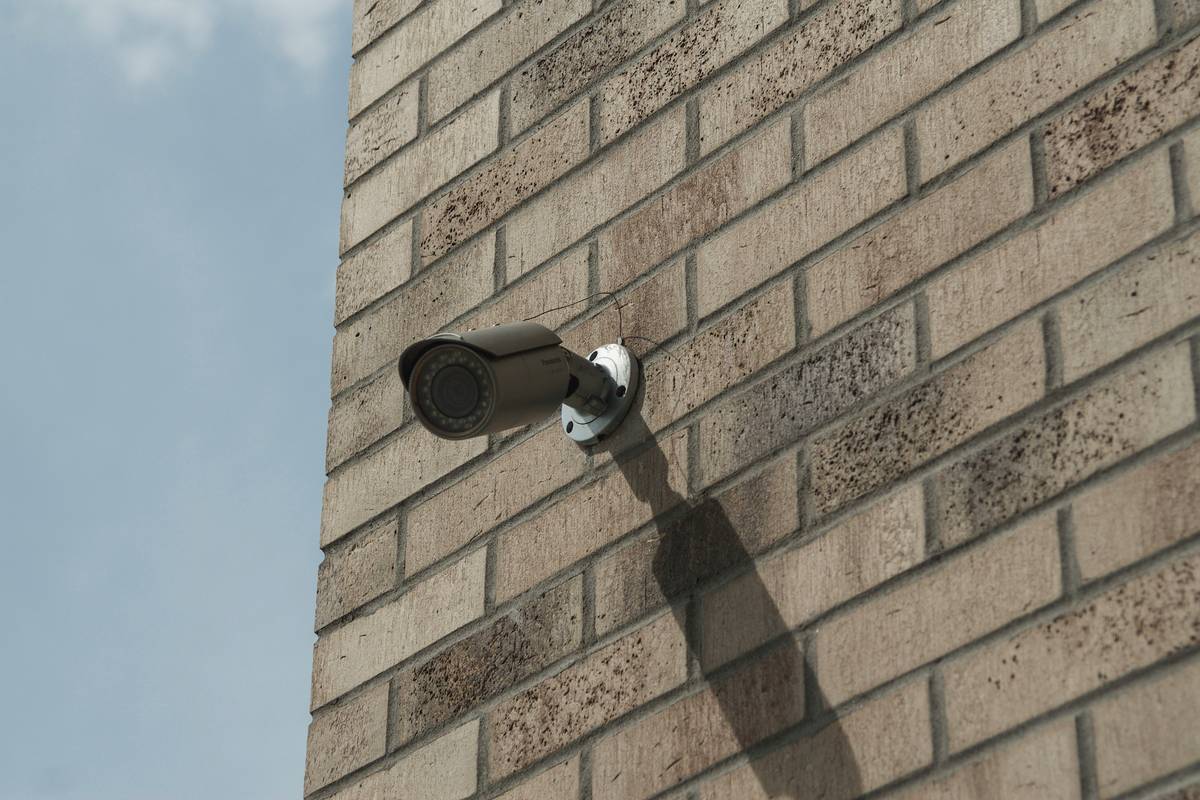
- Location is King: Place cameras near water sources, game trails, or areas rich in vegetation where animals congregate.
- Mind the Angle: Aim slightly downward toward suspected pathways rather than directly forward—this reduces false triggers from moving branches.
- Camouflage FTW: Drape leaves or bark around your camera housing to blend seamlessly into surroundings. Trust me, critters can sniff out shiny objects faster than you think.
- Check Regularly: Batteries drain, memory cards fill up, and squirrels love chewing cables. Inspect equipment every few weeks to ensure optimal performance.
Rant Section: Seriously though, why do some companies ship these delicate beauties without robust protection against weather extremes?! A little extra rubber never hurt anyone.
Real-Life Success Stories: From Trail to Triumph
Tina, an avid hiker from Montana, shared her tale of setting up four wildlife monitoring cameras during a weeklong expedition. At first glance, she thought she’d wasted time since none seemed triggered initially. However, upon review, she discovered stunning footage of a family of moose crossing a stream under moonlight—a moment she’d missed completely herself.
“I felt like David Attenborough narrating Planet Earth,” Tina exclaimed. Her secret weapon? Strategic positioning based on local ranger advice combined with patience.
FAQs on Wildlife Monitoring Cameras
Are Wildlife Monitoring Cameras Legal?
Yes, but regulations vary by region. Always consult local laws regarding privacy and conservation zones before deployment.
How Long Do Batteries Typically Last?
Depending on usage frequency, expect between two weeks to several months per charge. Invest in solar-powered variants for extended adventures.
Can These Cameras Detect Movement Through Heavy Fog?
No sensor works magic in thick fog. If conditions frequently shift, consider models optimized for adverse weather tolerance.
Conclusion
Wildlife Monitoring Cameras aren’t just gadgets—they’re gateways to discovering hidden narratives within natural landscapes. By following our guide, avoiding rookie mistakes, and embracing the quirks of outdoor exploration, you’ll capture unforgettable memories that last forever.
So next time you hit the trails, remember: Like a Tamagotchi, your SEO needs daily care. Or in this case…your camera does too.
haiku interlude:
Branches snap quietly,
Deer passes unseen,
Camera blinks awake.