Ever scrambled up a rocky trail, snapped the perfect shot of a misty waterfall, and then watched in horror as your camera got doused by an unexpected splash? Yeah, us too.
Whether you’re a weekend hiker or a hard-core outdoor explorer, protecting your gear is non-negotiable. That’s where waterproof camera cases come in. In this guide, we’ll dive into why these are crucial for hiking photography, how to choose the right one, and tips to avoid rookie mistakes that could cost you dearly (like drowning your camera).
Here’s what’s coming up: Why waterproof camera cases are essential, a step-by-step guide to picking the perfect one, actionable tips, and real-world examples to make you rethink everything about outdoor gear. Spoiler alert: They’re not just for water anymore.
Table of Contents
- Why Are Waterproof Camera Cases Essential for Hiking?
- Step-by-Step Guide to Choosing the Right Case
- Best Practices for Using Waterproof Camera Cases
- Real-World Example: A Lesson Learned the Hard Way
- Frequently Asked Questions
Key Takeaways
- Waterproof camera cases protect against more than just water—they’re lifesavers against dust, shock, and falls.
- Not all cases are created equal: Look for durability, size compatibility, and ease of use.
- Fail-proof tips: Keep desiccant packets inside your case to ward off moisture.
Why Are Waterproof Camera Cases Essential for Hiking?
Optimist You: “I’ll be careful! No need for extra gear.”
Grumpy You: “Yeah, and then your phone dies after a single raindrop hits your backpack—classic.”
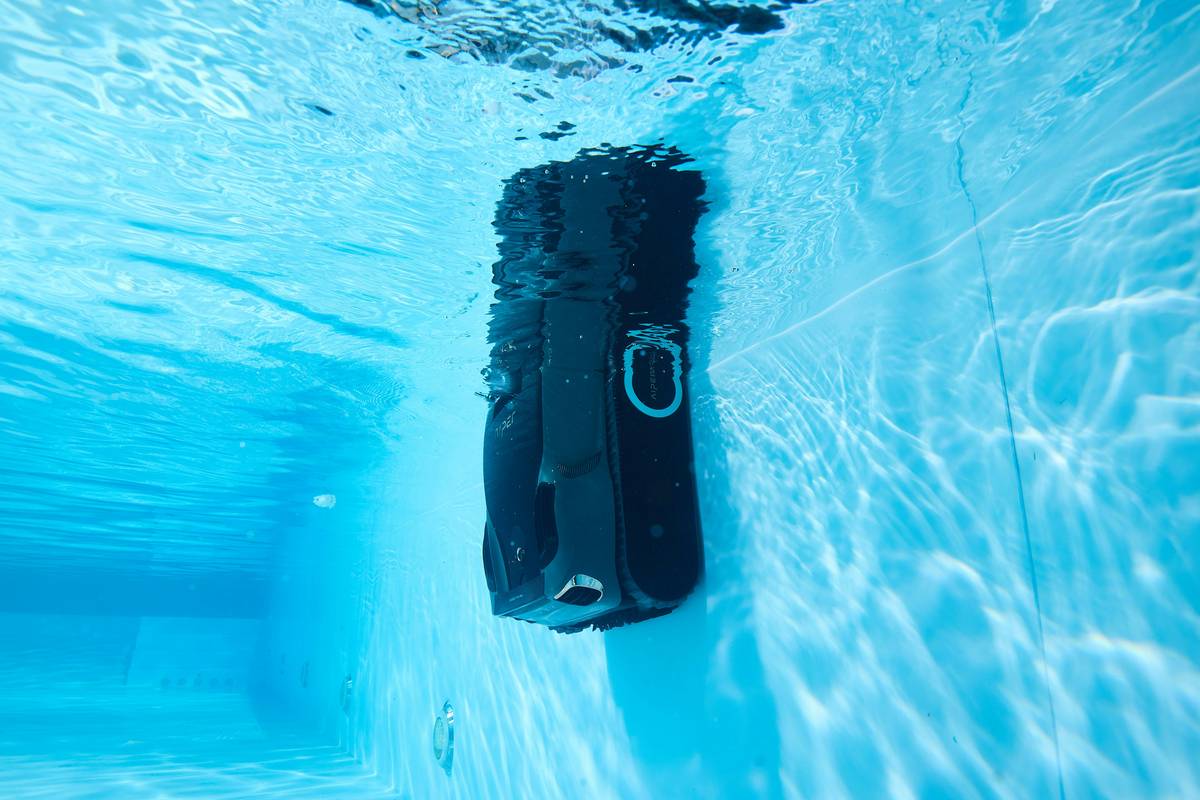
Hiking isn’t all sunshine and pristine vistas. The trails can get muddy, rainy, snowy—you name it. One slip, and your camera takes a bath faster than you can yell “Oops!” That’s why every hiker should seriously consider investing in a sturdy waterproof camera case.
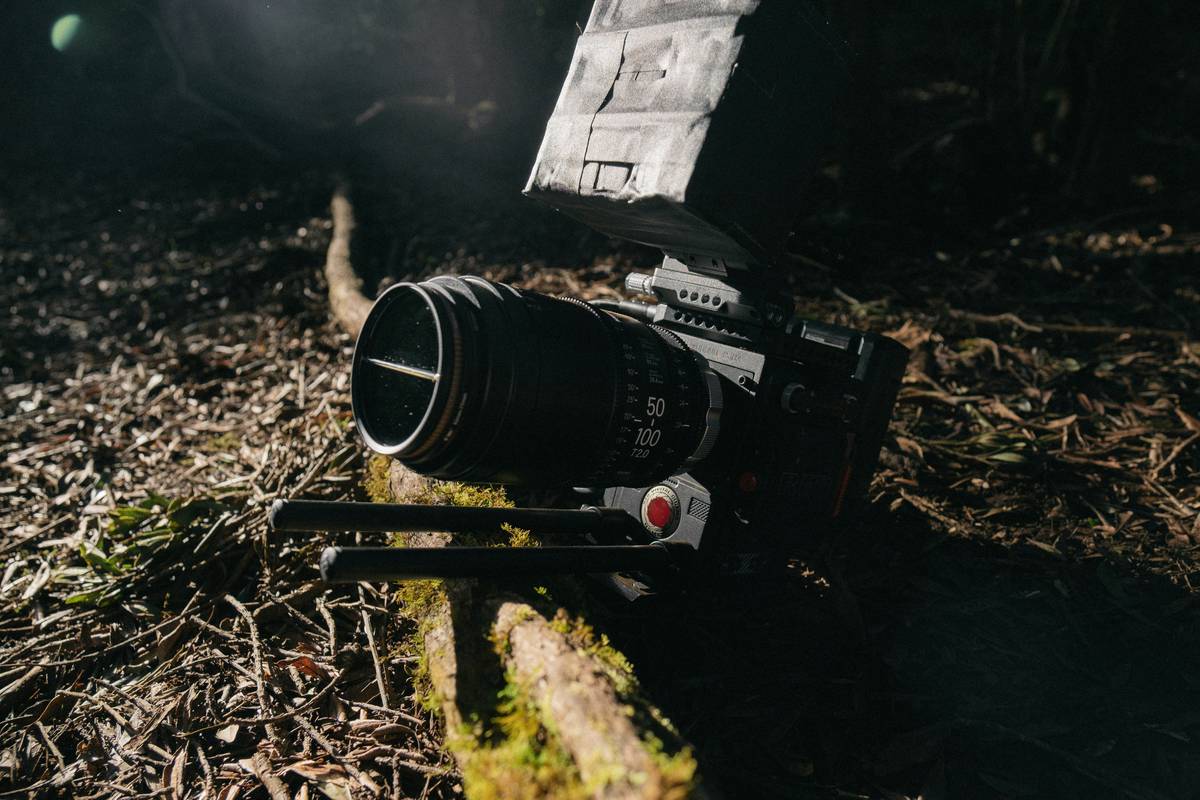
The stakes are high, especially if you’ve invested in premium equipment like GoPros or DSLRs. And let’s not forget climate challenges—think desert sandstorms blowing grit into your lenses or river crossings threatening to submerge your entire setup. Without a reliable case, you’re playing Russian roulette with your gear.
Rant Moment: My Epic Gear Fail
I once ignored advice from fellow hikers who swore by waterproof cases. Fast forward to a trip in Iceland, where I dropped my beloved camera in a freezing stream. RIP $1,000 investment down the drain because I thought a Ziploc bag would suffice. Rookie move, but you live and learn!
Step-by-Step Guide to Choosing the Right Case
Step 1: Assess Your Camera Size
Before rushing to buy anything, measure your camera (or cameras) carefully. Waterproof cases vary widely in dimensions, and choosing one too small or large defeats the purpose entirely.
Step 2: Prioritize Durability Over Looks
Forget aesthetics. Go for materials like crush-proof polycarbonate or rugged rubber exteriors. Remember: This thing might take a beating worse than a rock climber.
Step 3: Check Sealing Technology
Look for double-locking mechanisms or O-ring seals designed to keep even the tiniest drop at bay. Test them before heading out—even on a sink faucet!
Best Practices for Using Waterproof Camera Cases
- Keep Desiccants Handy: Those little silica gel packs aren’t just for shoe boxes. Toss one into your case to absorb humidity.
- Avoid Temptation: Resist opening your case mid-hike unless absolutely necessary. Every time you open it, there’s a risk of contamination or accidental splashes.
- Test Before Disaster Strikes: Submerge your new case in the bathtub first. Yes, really. Proactive testing saves heartbreak later.
Terrible Tip Alert:
Sure, duct tape “works” temporarily—but only use it in emergencies. Don’t rely on it long-term; it’ll fail when you least expect it.
Real-World Example: A Lesson Learned the Hard Way
Meet Sarah, a seasoned adventurer whose GoPro took a tumble off a cliff…and survived thanks to her trusty waterproof case. She wasn’t so lucky the last time, though—an improperly sealed bag led to condensation ruining her lens weeks prior. Now, she always checks her gear twice before hitting the trails.
Frequently Asked Questions
Q: Can waterproof camera cases handle extreme temperatures?
A: Most models are built to withstand cold snaps (-20°C) and hot days (up to +50°C), but double-check manufacturer specs to confirm.
Q: Are they worth it for casual photographers?
A: Totally. Even basic point-and-shoots benefit from protection against spills, dirt, and drops—it’s peace of mind in a small package.
Conclusion
So, do yourself a favor next time you hit the trails: Grab a quality waterproof camera case. Protecting your gear means preserving memories—and avoiding unnecessary heartache later. Trust us; your future self will thank you.
And remember… Like a Pokémon, your hiking memories gotta stay safe to evolve into epic moments!