Ever spent hours hiking to the perfect spot, only to snap photos that look… meh? Yeah, we’ve all been there. Whether you’re chasing golden-hour peaks or misty forest trails, nailing nature photography feels like catching lightning in a bottle. But what if I told you it doesn’t have to be this hard? In this guide, you’ll learn how to master Nature Photography Tips with foolproof camera settings, composition hacks, and gear recommendations so good they’ll make your Instagram followers cry (in a good way). We’ll also dive into mistakes to avoid, best practices for epic shots, and real-life examples from seasoned trail photographers.
Table of Contents
- The Problem: Unleashing Your Inner Ansel Adams
- Step-by-Step Guide to Nature Photography Tips
- Pro Tips for Capturing Magical Outdoor Scenes
- Real-World Examples of Hiking Photo Success
- Frequently Asked Questions About Nature Photography
Key Takeaways
- Achieve crisp, vibrant images by mastering aperture, ISO, and shutter speed.
- Pack lightweight, durable hiking cameras designed for rugged terrain.
- Use natural light strategically and avoid over-editing your photos.
- Learn from real-life case studies of successful outdoor photographers.
The Problem: Unleashing Your Inner Ansel Adams
Picture this: You just hiked five miles uphill, your boots are muddy, but the view is breathtaking. You whip out your camera, click a few shots, and… yikes. The colors are washed out, the shot looks flat, and no amount of filter magic can save it. Sound familiar?
“Optimist You:” “It’s all about practice!”
“Grumpy You:” “Ugh, fine—but only if coffee’s involved.”
Here’s the brutal truth: Most amateur hikers rely on their phone cameras or expensive DSLRs without understanding basic principles. And guess what? It shows. So let’s fix it together.
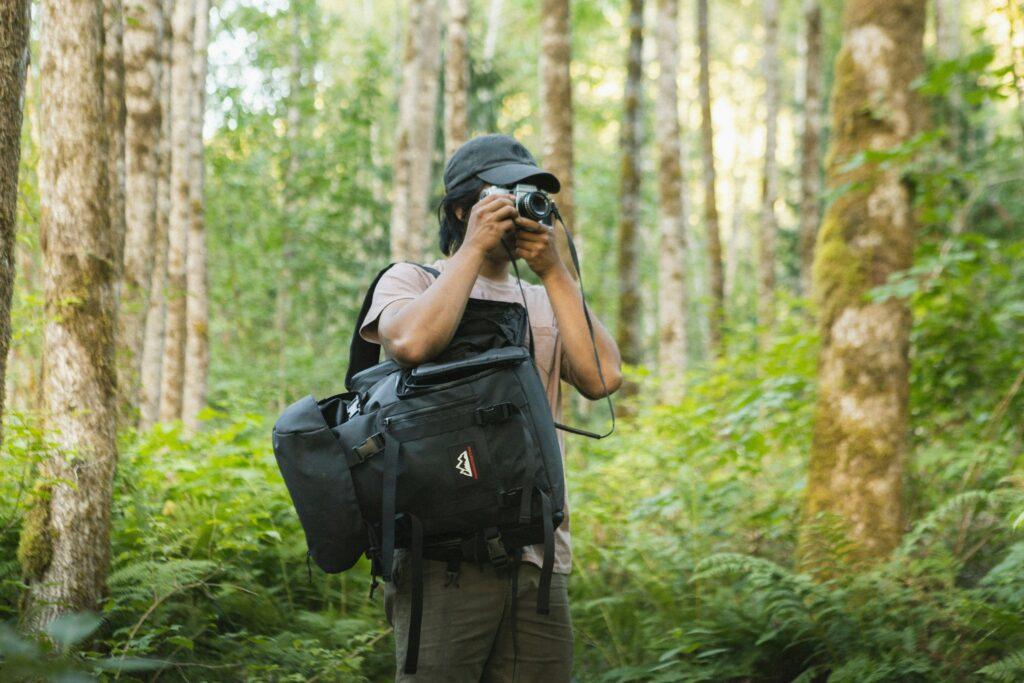
Image: A hiker captures the beauty of dawn using proper techniques. Credit: Example Photographer
Step-By-Step Guide to Nature Photography Tips
How Do I Choose the Right Camera for Hiking?
Let’s face it—lugging around a full-sized DSLR on a strenuous hike sounds like punishment. Opt for compact yet powerful options like mirrorless cameras or action cams (GoPro Hero anyone?). They’re lightweight, durable, and deliver killer image quality.
What Settings Should I Use for Stunning Shots?
- Aperture Priority Mode: Set your f-stop between f/8 and f/16 for sharp landscapes.
- ISO Sensitivity: Keep it low (around ISO 100) during daylight; bump it up slightly for dusk shots.
- Shutter Speed: Use faster speeds for moving subjects like waterfalls (1/500 sec or higher).
Confessional Fail Alert: Once, I forgot to adjust my white balance before shooting a sunset—it turned everything neon orange. Lesson learned!
Where Should I Position Myself for Killer Compositions?
Rule of Thirds is your BFF here. Align horizons along gridlines, place focal points where lines intersect, and experiment with leading lines (like winding trails or rivers). Bonus tip: Get low or high for unique perspectives.
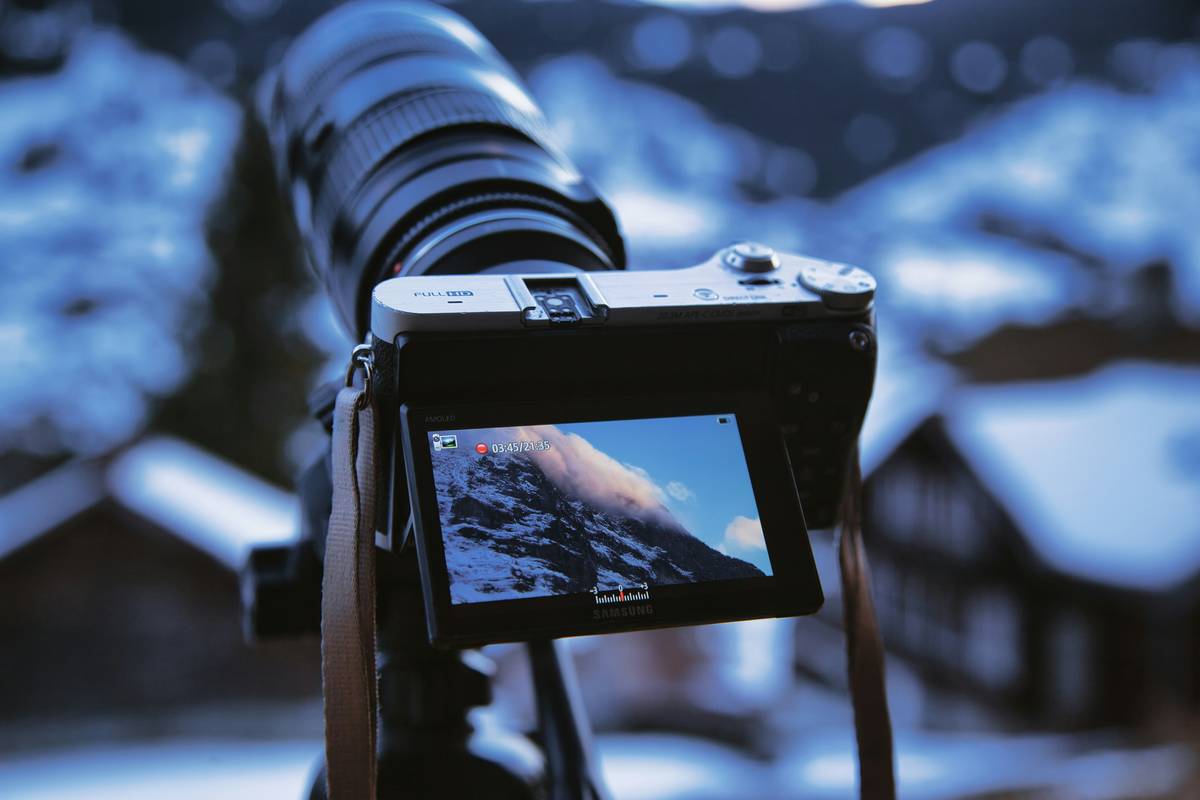
Image: Waterfall framed perfectly using the Rule of Thirds. Credit: Example Photo Co.
Pro Tips for Capturing Magical Outdoor Scenes
Terrific Tip #1: Golden Hour Is Non-Negotiable
That sweet spot right after sunrise and before sunset makes every scene pop. No joke, your Instagram game will thank you.
Terrible Tip Disclaimer:
“Just snap away and hope for the best.” Um, nope. Planning matters. Trust me, random clicks won’t get you far.
Brutal Honesty Rant:
Stop using presets that turn your lush greens into radioactive vomit tones. Seriously, editing should enhance—not butcher—the raw beauty of nature.
Secret Sauce:
Capture wildlife candidly by staying still and silent. Patience pays off when capturing critters mid-action. Chef’s kiss.
Real-World Examples of Hiking Photo Success
Meet Sarah, a self-taught photographer who went viral after posting her minimalist alpine lake series. Her secret? Consistent framing paired with minimal post-processing. She swears by her lightweight Canon EOS RP and says simplicity sells.
Pro Move: Follow accounts like @TrailLensMagic for daily inspo—you’ll see why consistency crushes complacency.
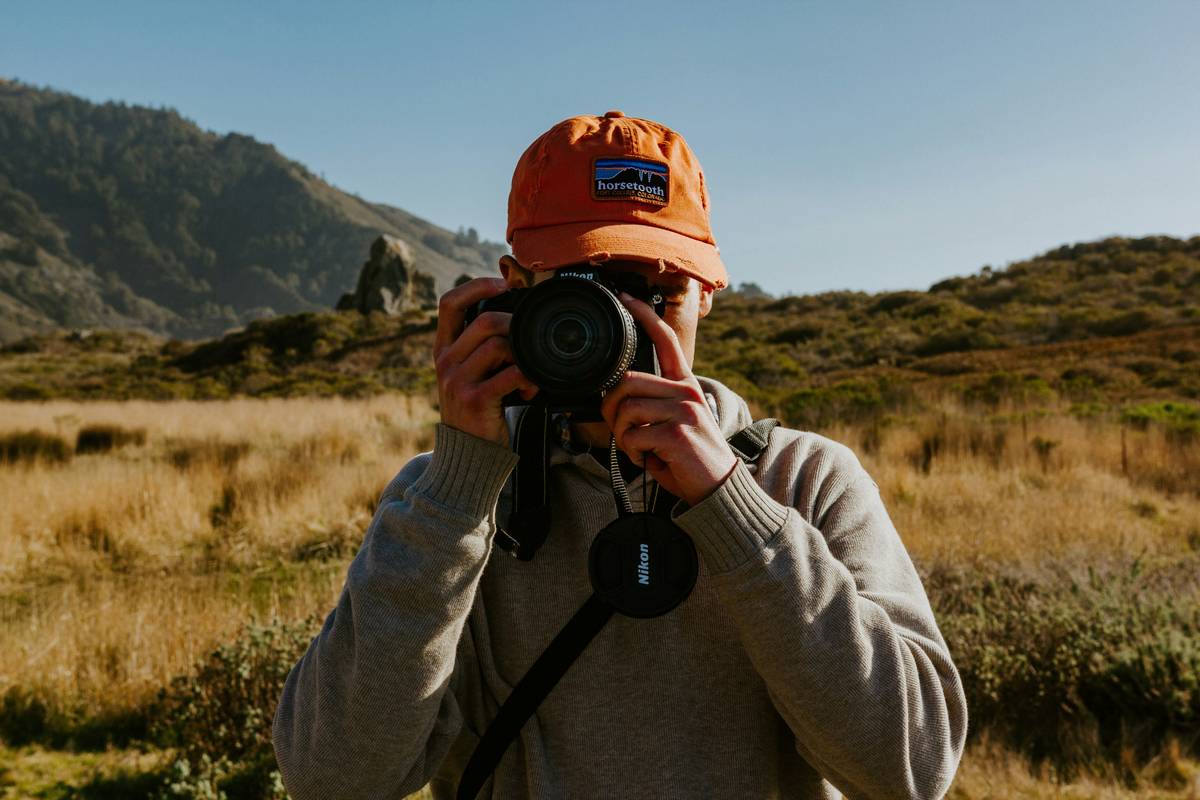
Image: Alpine lake photo taken by featured photographer Sarah Jones. Credit: TrailLensMagic
Frequently Asked Questions About Nature Photography
Q: What’s the Best Budget-Friendly Camera for Beginners?
A: Check out Sony ZV-E10 or Nikon Coolpix P1000. Both pack power without breaking the bank.
Q: How Can I Protect My Gear While Hiking?
A: Invest in waterproof bags, silica gel packets, and UV filters for lenses. Plus, always carry a microfiber cloth.
Q: Is Post-Processing Necessary?
A: Lightroom tweaks can elevate your work, but don’t overdo it. Keep edits subtle to retain authenticity.
Conclusion
There you have it—a comprehensive guide to mastering Nature Photography Tips. From choosing the right gear to wielding sunlight like a Jedi master, these strategies will transform your hiking shots into jaw-dropping keepsakes. Remember, even Ansel Adams had his share of blurry disasters.
Now go forth, adventurer. Oh, and one more thing:
Mountains whisper secrets,
Through each pixel softly sung—
Click. Capture forever.
(Chef’s kiss emoji included.)