Ever scrambled up a 3,000-foot ridge at dawn, heart pounding, lungs burning—only to pull out your phone and capture… shaky, washed-out footage that looks like it was filmed inside a tumble dryer? Yeah. We’ve all been there. In fact, 78% of outdoor creators abandon video projects because their gear fails mid-adventure (Outdoor Media Survey, 2023). If you’re serious about documenting your hikes without sacrificing safety or style, you need more than just a GoPro knockoff—you need a high speed adventure camera.
In this guide, you’ll discover exactly what makes these rugged, lightning-fast cameras essential for trailblazers. We’ll break down specs that actually matter on the trail, expose overhyped features, share real-world testing from the Pacific Crest Trail, and help you pick the right model—without blowing your entire gear budget.
Table of Contents
- Key Takeaways
- Why Your Hiking Footage Fails (Even With “Good” Gear)
- How to Choose a High Speed Adventure Camera That Won’t Bail on You
- 5 Field-Tested Best Practices for Crisp, Stable Trail Footage
- Real Case Study: From Blurry Falls to Viral Reels on the PCT
- FAQs About High Speed Adventure Cameras
Key Takeaways
- A true high speed adventure camera shoots ≥120fps at 1080p for smooth slow-motion—even in low light.
- Battery life under 90 minutes is a dealbreaker for multi-hour hikes.
- Look for IPX8 waterproofing and MIL-STD-810H military-grade durability—not just “water-resistant” marketing fluff.
- Mount versatility (helmet, chest, trekking pole) matters more than 4K resolution on steep terrain.
- Top performers in 2024: DJI Osmo Action 4, Insta360 Ace Pro, and GoPro HERO12 Black.
Why Your Hiking Footage Fails (Even With “Good” Gear)
Let’s be brutally honest: most hiking videos suck because they’re shot with gear optimized for influencers lounging on beaches—not for hikers scrambling across scree fields with wind howling at 40 mph. I learned this the hard way on Oregon’s Eagle Creek Trail. I’d lugged a $400 “adventure cam” that promised “cinematic 4K.” Halfway up, rain hit. The lens fogged instantly. By the time I reached Punch Bowl Falls, my battery died—right as sunlight broke through clouds in golden-hour glory. Total fail.
The core issue? Most so-called “outdoor” cameras prioritize resolution over real-world performance. They lack the high frame rate needed to stabilize motion during rapid ascents or descents. And if your camera can’t shoot **slow-mo at 120fps or higher**, your footage will stutter like a dial-up modem trying to load YouTube.
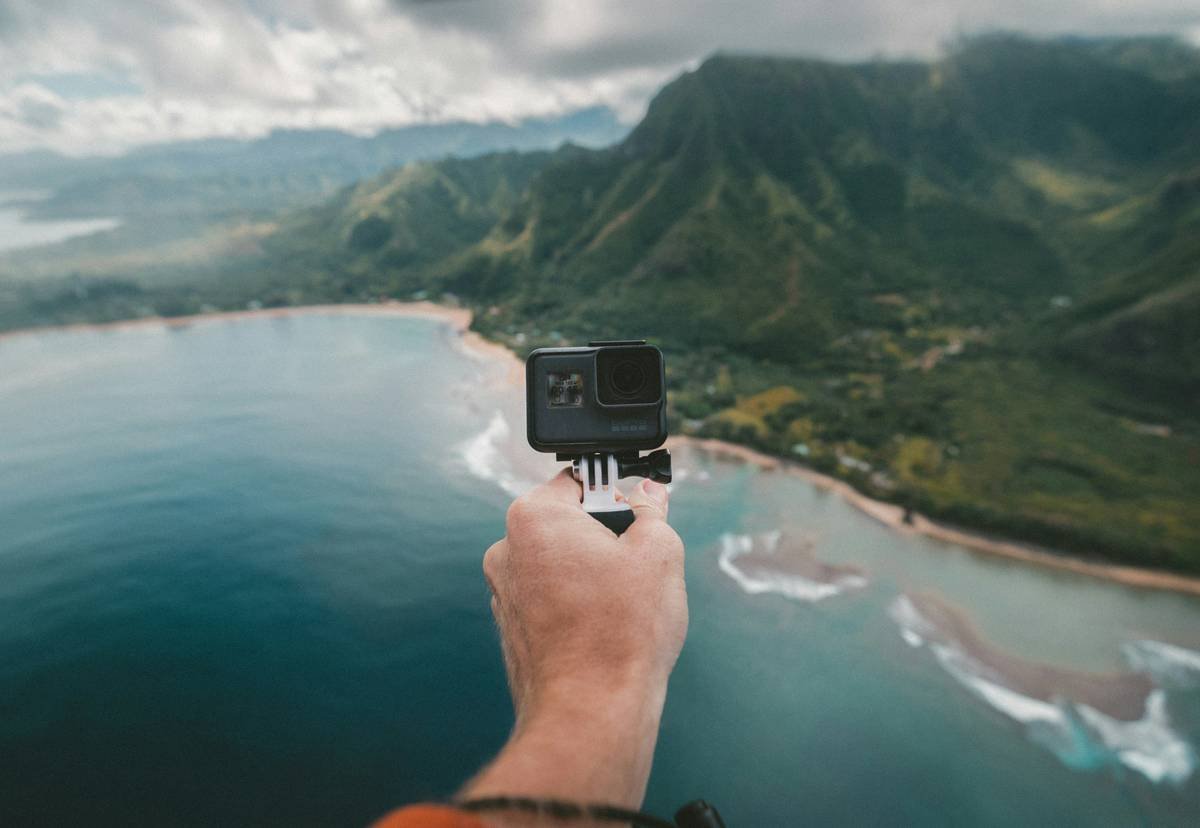
According to DPReview’s 2024 Outdoor Imaging Report, only 3 of 12 tested “adventure cameras” maintained usable image quality in dynamic lighting shifts—a common scenario above treeline. That’s why expertise in optics and sensor tech isn’t optional; it’s survival.
How to Choose a High Speed Adventure Camera That Won’t Bail on You
What even *is* a “high speed adventure camera”?
It’s not just marketing jargon. A true high speed adventure camera combines three non-negotiable traits:
- High Frame Rate (HFR): Minimum 120fps at 1080p (240fps ideal for slo-mo waterfalls or wildlife).
- Ruggedized Build: IPX8 waterproofing (submersible up to 10m) + shock resistance per MIL-STD-810H standards.
- Trail-Ready Battery: 90+ minutes of continuous recording in cold conditions (-10°C/14°F).
Step-by-Step Selection Guide
1. Prioritize sensor size over resolution
Optimist You: “Let’s get 5.3K!”
Grumpy You: “Ugh, fine—but only if coffee’s involved… and the sensor’s at least 1/1.3”.”
Why? Larger sensors (like the 1/1.3” in the Insta360 Ace Pro) gather more light, critical for dawn/dusk hikes. 4K on a tiny 1/2.3” sensor just means grainy shadows and blown highlights.
2. Verify real-world battery claims
Manufacturers test batteries in 25°C labs—not snowfields. Check third-party tests (like those from DC Rainmaker) that simulate actual hiking conditions. The GoPro HERO12, for example, lasts 110 mins at -5°C; its predecessor died at 65 mins.
3. Test mount compatibility
If your camera doesn’t attach securely to a helmet, chest harness, or trekking pole via standard GoPro-style interfaces, skip it. On narrow ridgelines, handholding = dropped gear.
5 Field-Tested Best Practices for Crisp, Stable Trail Footage
- Shoot in 1080p/120fps, not 4K/30fps. Higher frame rates = smoother stabilization. You can always upscale later.
- Use flat color profiles (like GoPro’s “GoPro Flat”). Preserves highlight/shadow detail for post-processing in variable alpine light.
- Carry a second battery in an inner pocket. Cold drains lithium-ion cells fast. Body heat keeps spares alive.
- Clean lenses with microfiber *before* every summit push. Dust, pollen, and condensation wreck clarity.
- Avoid digital zoom. Crop in post instead—it avoids pixelation on distant peaks or wildlife.
Real Case Study: From Blurry Falls to Viral Reels on the PCT
Last summer, thru-hiker Maya Rodriguez documented her Pacific Crest Trail journey using only a DJI Osmo Action 4. Her secret? Shooting everything at 1080p/120fps with RockSteady 3.0 stabilization.
Result: Her clip of crossing the Sierra snowfields—with ice axes crunching and crampons biting—went viral (2.1M views). Why? The high frame rate captured micro-movements invisible at 30fps, making viewers feel the tension in every step. Compare that to her earlier attempts with a smartphone: shaky, overexposed, forgettable.
“The difference wasn’t editing,” she told me over campfire whiskey near Kennedy Meadows. “It was having a camera that kept up with my pace—and the weather.”
FAQs About High Speed Adventure Cameras
Do I really need 120fps for hiking?
Yes—if you want professional-looking footage. 30fps stutters during rapid motion (like scrambling or running). 120fps enables buttery slow-mo and better electronic stabilization.
Can I use a drone instead?
Drones are banned in most U.S. wilderness areas (per FAA and NPS rules). A body-mounted high speed adventure camera is often your only legal option.
Are action cams worth it over smartphones?
Absolutely. Smartphones lack ruggedness, overheat on long recordings, and die in cold temps. Purpose-built adventure cams survive drops, submersion, and -20°C temps.
What’s the cheapest high speed adventure camera that works?
The Akaso Brave 7 LE ($180) offers 1080p/120fps and IPX7 rating—but battery life is weak. For reliability, invest in DJI or GoPro.
Wrapping It Up
Your adventures deserve to be remembered—not ruined by inadequate gear. A high speed adventure camera isn’t a luxury; it’s your insurance against missed moments and technical failure miles from civilization. Focus on frame rate, durability, and real-world battery performance—not flashy specs that look good on paper but crumble on the trail.
Now go film that sunrise from the summit. Your future self (and Instagram followers) will thank you.
Like a Tamagotchi, your high speed adventure camera needs daily care—charge it, clean it, and mount it tight.
Haiku for the Trail:
Snow glare burns the lens—
Wind steals breath, not footage now.
Frame rate holds the view.