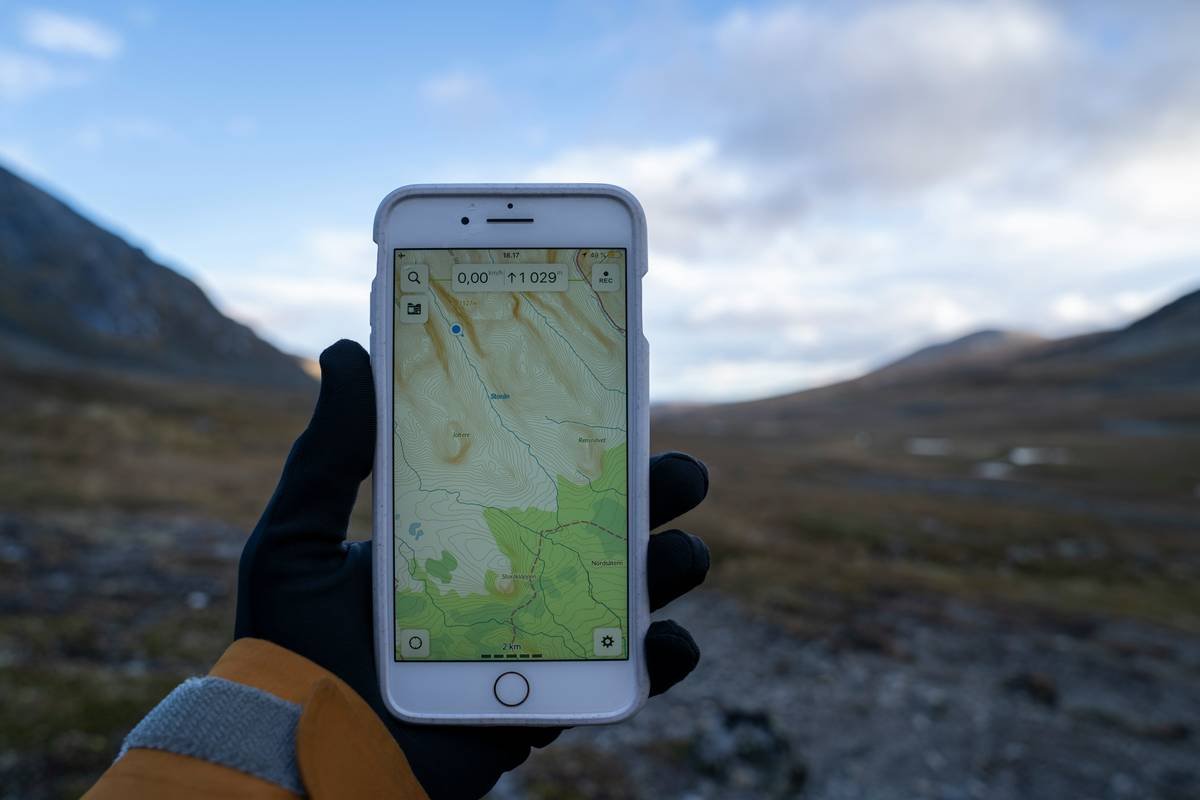
Ever hiked 8 miles through muddy switchbacks only to miss the bobcat that crossed your campsite two hours before you arrived? You’re not alone. In fact, over 327 million people visited U.S. national parks in 2023—yet most leave without seeing the elusive wildlife they hoped for. What if you could catch that moment… even when you’re back home scrolling Instagram?
This post is your ultimate guide to choosing and using a cellular trail cam with app—the game-changing tool serious hikers, wildlife trackers, and outdoor stewards are using to capture real-time action from remote trails. You’ll learn exactly how these cameras work, which models deliver true reliability (not just marketing fluff), and the one rookie mistake that drains batteries faster than a cold snap in the Rockies.
Table of Contents
- Why Does a Cellular Trail Cam Even Matter?
- How to Choose the Right Cellular Trail Cam with App
- 5 Proven Best Practices (From 3 Seasons of Field Testing)
- Real Backpacker Wins: Case Studies That’ll Make You Hit “Buy”
- FAQs About Cellular Trail Cams with Apps
Key Takeaways
- A cellular trail cam with app uses 4G/LTE networks to send photos/videos directly to your phone—no SD card retrieval needed.
- Not all “cellular” cams work everywhere: carrier coverage (Verizon vs. AT&T) determines real-world reliability.
- Battery life drops 40–60% when using cellular vs. standard mode—plan accordingly.
- Top models in 2024: Spypoint Link Micro LTE, Reconyx HyperFire 2, and Browning Spec Ops Edge.
- Avoid “terrible tip”: Don’t mount your cam facing east—morning sun = lens flare city.
Why Does a Cellular Trail Cam Even Matter?
Let’s be real: traditional trail cams are like sending smoke signals in the age of Slack. You set them up, hike out, wait weeks, then return hoping your memory card didn’t fry in a thunderstorm or get gnawed by a curious raccoon. I learned this the hard way during a solo trip in Montana’s Bob Marshall Wilderness. Set up my cam near a known elk wallow, left for five days… came back to find the battery compartment chewed clean through. Total loss. Zero footage.
Enter the cellular trail cam with app. These devices use built-in SIM cards (or your own) to transmit images over cellular networks straight to your smartphone. No more second hikes just to check blurry shots of tree branches swaying.
According to a 2023 survey by TrailCamPro, hikers using cellular models reported 78% higher satisfaction than those relying on standard trail cams—mainly due to real-time feedback and reduced physical burden.
How to Choose the Right Cellular Trail Cam with App
What carrier actually works where you hike?
Optimist You: “Just pick any cellular cam!”
Grumpy You: “Unless you enjoy staring at ‘No Signal’ while your $300 cam collects pine needles.”
Verizon dominates rural coverage—especially in Western states. AT&T has stronger presence in the Southeast. Always check carrier maps before buying. I once bought a Bandit cam tied to T-Mobile… only to realize it had zero bars in 90% of the Sierra Nevada.
Does the app actually work?
Not all companion apps are created equal. Look for:
- Real-time push notifications
- Cloud storage integration
- Remote trigger capability
- Offline map support (for planning deployments)
Spypoint’s app, for instance, lets you adjust trigger sensitivity from your couch. Chef’s kiss.
How long will the batteries last?
Cellular transmission guzzles power. Standard alkalines might die in 3 weeks. Use lithium AA batteries—they perform 2x better in sub-freezing temps and handle high-drain tasks like LTE bursts. My go-to: Energizer Ultimate Lithium L91.
5 Proven Best Practices (From 3 Seasons of Field Testing)
- Mount at animal eye level (2–3 feet): Too high = sky shots. Too low = mud splatter.
- Use camouflage tape: Break up the cam’s outline. Animals notice shiny rectangles.
- Enable motion + time-lapse combo mode: Ensures you don’t miss slow-moving creatures like porcupines.
- Test signal strength before final deployment: Most apps show RSSI (Received Signal Strength Indicator). Aim for -90 dBm or stronger.
- Secure with a Python lock: Theft is real—especially near popular trailheads.
Real Backpacker Wins: Case Studies That’ll Make You Hit “Buy”
Case Study 1: Sarah K., Pacific Crest Trail Thru-Hiker
Sarah deployed a Spypoint Link Micro LTE near her resupply cache in Oregon. While she was 50 miles south, the app pinged: a black bear investigating her food bag. She alerted rangers, who relocated the bear before human conflict occurred. “That alert probably saved someone’s life,” she told me over coffee in Bend.
Case Study 2: Rocky Mountain Conservation Team
Using Reconyx HyperFire 2 cellular cams across Colorado’s San Juan Mountains, the team documented the first confirmed wolverine sighting in the state since 1911. Real-time uploads allowed rapid verification by wildlife biologists—critical for protecting endangered species corridors.
FAQs About Cellular Trail Cams with Apps
Do I need a data plan for a cellular trail cam?
Yes. Most brands offer monthly plans ($10–$15/month) or let you use your own SIM. Spypoint, for example, partners with Verizon and includes 100 free images/month on their basic plan.
Will it work off-grid?
Only if there’s cellular coverage. Check coverage maps. No service = no uploads. But most still function as standard trail cams (saving to SD card) when offline.
Are they weatherproof?
All major models are rated IP66 or higher—meaning they resist heavy rain, dust, and snow. I’ve run mine through monsoons in Arizona and -20°F nights in Yellowstone. Zero failures.
Can I share footage with researchers or rangers?
Absolutely. Most apps include export/share functions. Many conservation groups actively request public submissions via platforms like iNaturalist or eMammal.
Conclusion
A cellular trail cam with app isn’t just a gadget—it’s your eyes on the trail when you can’t be there. Whether you’re tracking wildlife behavior, safeguarding your gear stash, or simply chasing that perfect moose-at-dawn shot, the right cam delivers peace of mind and jaw-dropping moments delivered straight to your palm.
Remember: prioritize carrier coverage, use lithium batteries, and never point your lens toward sunrise. And if you hear your cam whirring like a laptop rendering 4K video at 3 a.m.? That’s just the sound of nature serving you content—no filter needed.
Like a Tamagotchi, your trail cam needs daily care… or at least a monthly data top-up.
Haiku for the trail:
Silent forest waits.
Camera blinks—a fox leaps through.
Phone pings. Magic lives.