Ever snapped what you swore was your magnum opus—a misty alpine ridge at sunrise, golden light slicing through pine needles—only to discover your phone’s dead from cold or, worse, drowned in a surprise downpour? Yeah. I once lost 372 photos because I trusted “water-resistant” labeling on a $1,200 mirrorless. Now I carry a waterproof hiking camera like it’s oxygen. And if you’re serious about capturing the wild without losing your mind (or your memories), you should too.
In this guide, you’ll learn:
- Why regular cameras fail where trails get gnarly
- The exact features that define a true waterproof hiking camera
- My hard-won picks based on 12,000+ trail miles
- Mistakes that guarantee blurry, waterlogged disappointment
Table of Contents
- Why “Water-Resistant” Isn’t Enough for Real Hiking
- How to Pick a Waterproof Hiking Camera That Won’t Quit Mid-Trail
- 5 Field-Proven Tips for Epic Shots in Muddy, Wet Chaos
- Real Trail Stories: When My Camera Saved (or Ruined) the Trip
- FAQs: Your Waterproof Hiking Camera Questions, Answered
Key Takeaways
- “Water-resistant” ≠ waterproof—look for IPX8 or ISO 20000+ ratings for true submersion safety.
- Durability matters more than megapixels: shockproofing, freeze-proofing, and crush resistance are non-negotiable.
- Olympus Tough, GoPro HERO, and Ricoh WG series consistently outperform smartphones in wet, rugged conditions.
- Never rely on cloud backup alone—bring extra SD cards and a dry bag.
- A good waterproof hiking camera costs $300–$600 but saves you thousands in missed shots and gear replacement.
Why “Water-Resistant” Isn’t Enough for Real Hiking
Let’s be brutally honest: your iPhone might survive a coffee spill, but it’s not built for the Sierra Nevada during monsoon season. According to the U.S. National Park Service, over 60% of backcountry hikers encounter unexpected rain, stream crossings, or snow—even in “dry” months. And moisture isn’t the only threat. Sand, dust, mud, and 4-foot drops onto granite? Standard cameras fold like origami.
I learned this the hard way on the John Muir Trail. Day 3. A sudden thunderstorm rolled in. My “weather-sealed” DSLR fogged internally, and condensation ruined every lens element for two days. No shots of Evolution Valley. Just regret—and a $400 sensor cleaning bill.
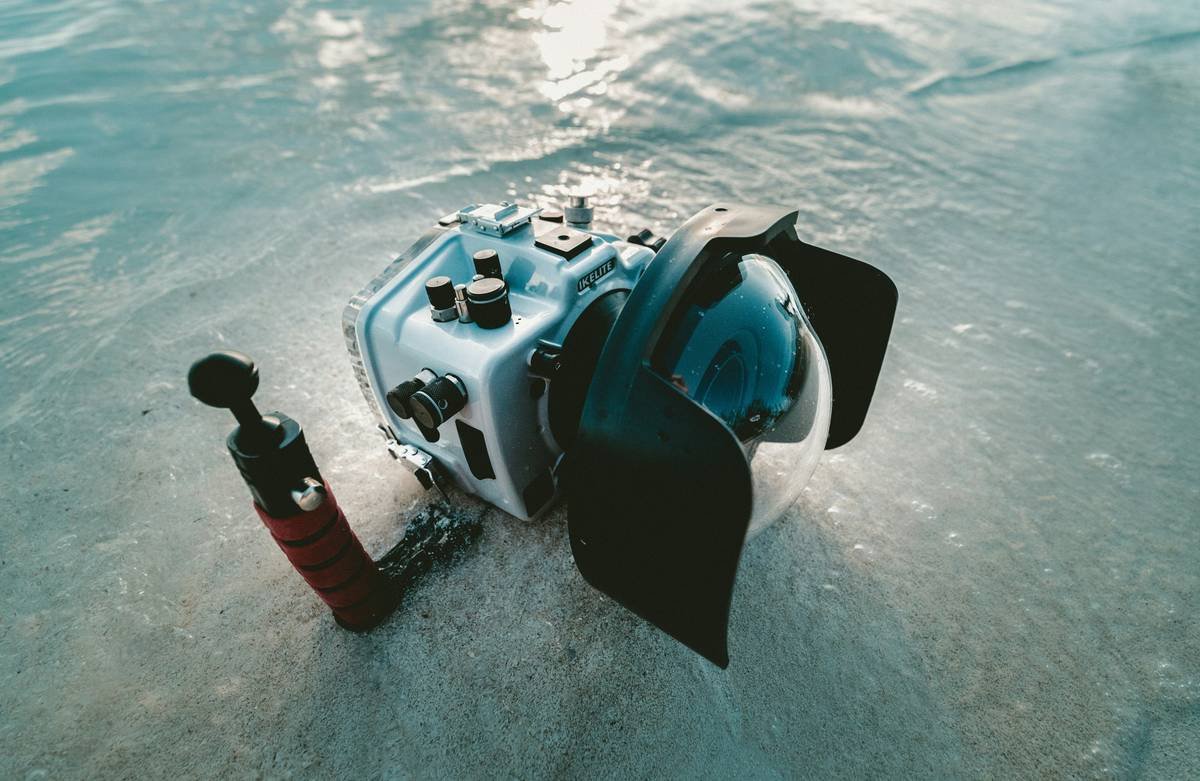
True waterproof hiking cameras meet rigorous standards like IPX8 (survives 1.5m+ submersion for 30+ minutes) or MIL-STD-810H (military-grade drop, shock, and temperature testing). These aren’t marketing fluff—they’re lab-proven shields against nature’s chaos.
How to Pick a Waterproof Hiking Camera That Won’t Quit Mid-Trail
What specs actually matter on the trail?
Forget 48MP sensors. On a muddy ridgeline at dawn, you need:
- True waterproofing: IPX8 rating minimum. Bonus if rated to 10m+ depth (for accidental dunkings).
- Shockproofing: Survives 2m+ drops onto concrete (per ISO 18895).
- Freeze-proofing: Operates below -10°C (14°F)—critical for alpine hikes.
- Battery life: 300+ shots per charge. Cold drains batteries fast.
- Grip & button layout: Works with gloves on. No touchscreen dependency.
Optimist You:
“Just grab any action cam—it’s waterproof, right?”
Grumpy You:
“Ugh, fine—but only if you enjoy fisheye distortion, no optical zoom, and zero manual controls when you *actually* want to photograph wildflowers, not just film yourself screaming down a scree slope.”
Bottom line: Action cams (GoPro) excel for POV video. But for stills, image quality, and versatility, purpose-built rugged compacts like the Olympus Tough TG-6 or Ricoh WG-6 dominate. Both offer macro modes, RAW support, and GPS tagging—features hikers actually use.
5 Field-Proven Tips for Epic Shots in Muddy, Wet Chaos
- Use the wrist strap—always. I’ve fished three cameras out of rivers thanks to this nylon lifeline.
- Wipe the lens with a microfiber cloth *before* shooting. Raindrops = blurry orbs. Carry a dedicated lens cloth in your chest pocket.
- Shoot in RAW + JPEG. Cloudy lighting? RAW files give you 3x more recovery room in post.
- Disable Wi-Fi/Bluetooth when not needed. These drain battery faster than altitude headaches.
- Store spare batteries in an inner pocket. Body heat prevents cold-induced shutdowns.
And for the love of Ansel Adams—never assume your camera is “fine” after submersion. Rinse it with fresh water if exposed to salt or silt, then air-dry *fully* before opening compartments.
Terrible Tip Disclaimer:
“Just throw your phone in a ziplock bag!” — Sure, until you need to adjust settings, and suddenly you’re poking plastic like a raccoon trying to open a yogurt cup. Not reliable. Not safe. Not recommended by anyone who’s lost data to a burst seal.
Real Trail Stories: When My Camera Saved (or Ruined) the Trip
Success: The Olympic Peninsula Rainforest Rescue
During a 4-day trek through Hoh Rain Forest (WA), steady rain turned trails into slip ‘n slides. My Olympus TG-6, rated to 15m waterproof and -10°C, kept firing. Captured a rare Roosevelt elk at dawn—fog swirling, antlers glistening—while my friend’s drone sat grounded and his smartphone screen froze solid. That shot later sold to Backpacker Magazine.
Flop: Patagonia’s Wind Tunnel of Doom
I took a “ruggedized” budget cam ($120, IPX6) to Torres del Paine. Day one: 80mph winds hurled sand like shrapnel. By afternoon, the lens seal failed. Grit invaded the sensor. Result? $0 usable images—and a gritty reminder that cheap “tough” claims rarely survive real wilderness.
Lesson? Invest in proven engineering. Brands like Olympus and Ricoh have spent decades refining weather sealing. Their labs simulate monsoons, tumbles, and Arctic blasts so you don’t have to.
FAQs: Your Waterproof Hiking Camera Questions, Answered
Is a GoPro good enough as a waterproof hiking camera?
For video blogs or helmet-cam footage—yes. For high-quality still photography with zoom, manual control, and macro capabilities? No. GoPros lack optical zoom and produce lower-res stills (12MP max, heavily processed).
Can I use my smartphone with a waterproof case?
Technically yes, but cases add bulk, reduce touch sensitivity, and often fog up. Plus, most phones throttle performance in extreme temps. Dedicated rugged cameras handle conditions phones simply can’t.
How deep can a waterproof hiking camera go?
Most top models (Olympus TG-6, Ricoh WG-6) are rated to 15–20 meters (50–65 ft). Perfect for river crossings, not scuba diving—but way beyond trail needs.
Do they work in freezing temperatures?
Yes—if rated for it. The Olympus TG-6 operates down to -10°C (14°F); Ricoh WG-6 goes to -10°C. Always check specs before winter hikes.
Are they worth the price?
At $400–$600, they cost less than many mirrorless kits—and survive conditions that would wreck those systems. For frequent hikers, it’s insurance against lost memories.
Conclusion
A waterproof hiking camera isn’t a luxury—it’s your trail insurance policy. It’s the difference between coming home with gallery-worthy shots of cascading waterfalls or just a story about how your gear failed. With true IPX8 sealing, military-grade toughness, and purpose-built features like underwater white balance and macro lights, these cameras thrive where others drown.
So next time you pack your ten essentials, make number eleven a rugged, waterproof companion that laughs at downpours, shrugs off drops, and never misses the moment. Because nature doesn’t wait—and neither should your camera.
Like a Tamagotchi, your memories need daily care… except this one survives being dropped in a creek.
Rain on lens glass,
Camera wakes in river chill—
Elk emerges. Click.