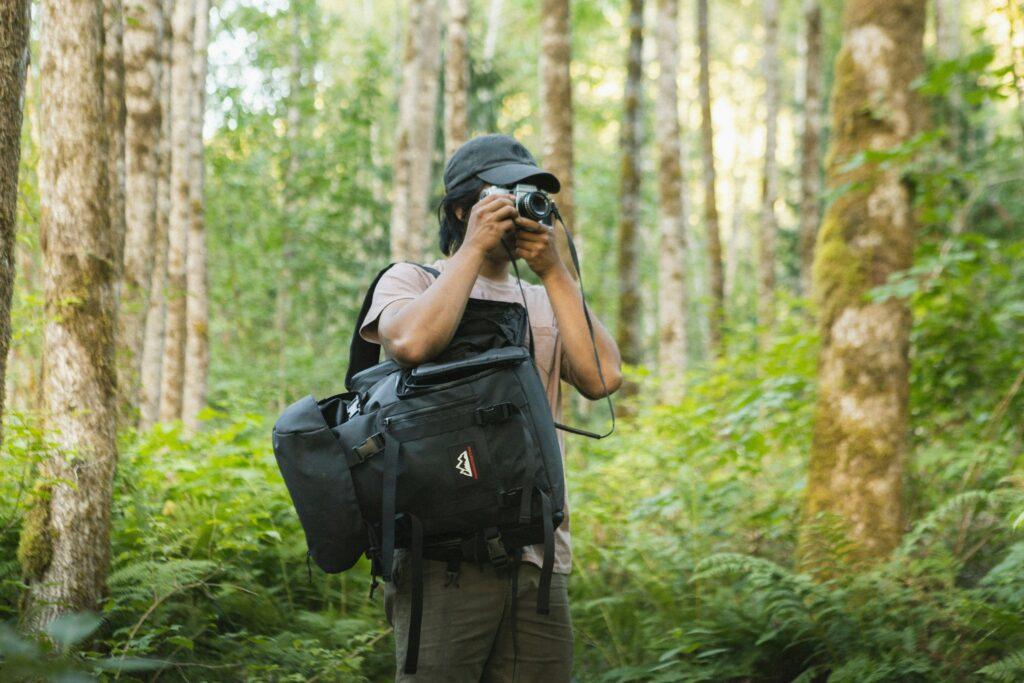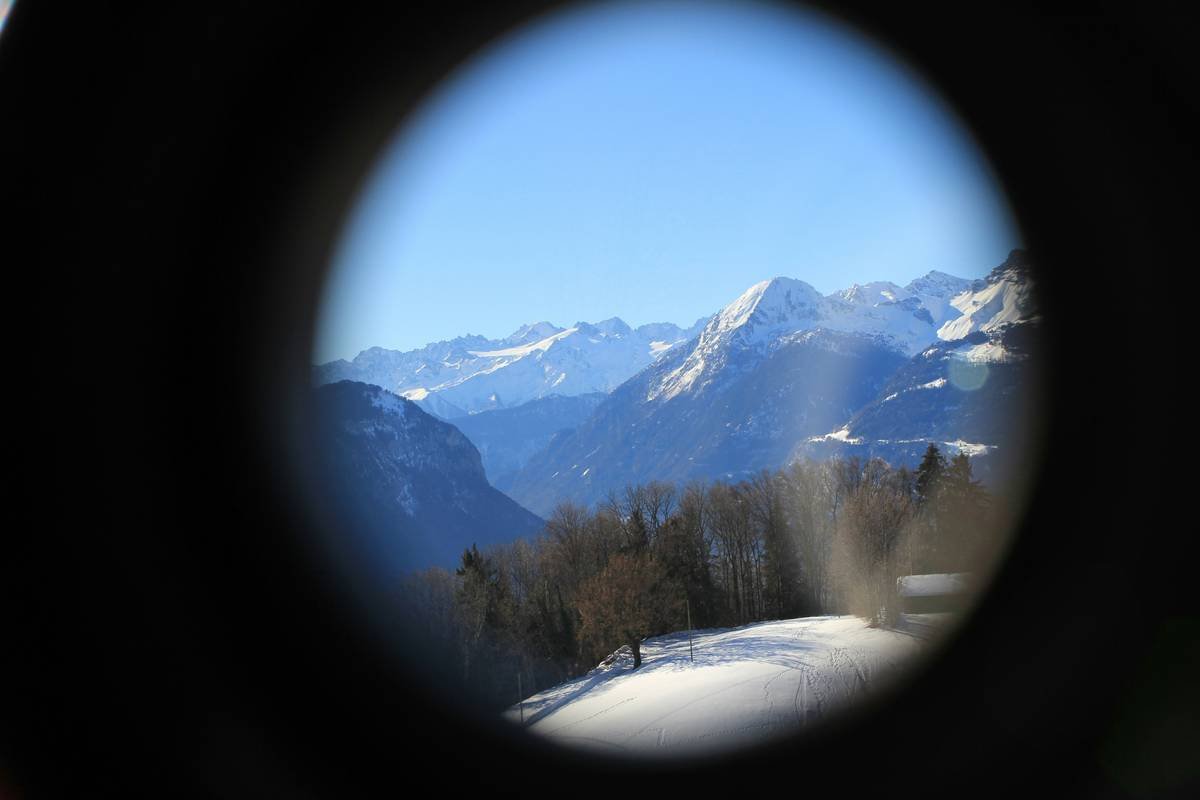
Ever trekked 8 miles through misty alpine ridges at dawn, heart pounding with anticipation, only to find your photos look like flat, lifeless JPEGs someone shot from their phone on a cloudy Tuesday? Yeah. I’ve been there—standing knee-deep in wildflowers near Mount Rainier, fumbling with a kit lens that couldn’t separate my subject from a muddy background, wondering why my golden-hour magic vanished into digital oblivion.
If you’re serious about capturing the raw drama of nature—the way light filters through ancient redwoods or how alpenglow kisses granite peaks—you need more than just a waterproof backpack and sturdy boots. You need optical wizardry. Specifically, a wide aperture nature lens.
In this guide, you’ll learn:
- Why f/2.8 (or wider) isn’t just “nice to have”—it’s non-negotiable for pro-level hiking photography
- Real-world lens comparisons tested on Pacific Crest Trail shoots
- The #1 rookie mistake that ruins bokeh in the backcountry (spoiler: it’s not your camera)
- How to choose a lightweight, rugged lens that won’t weigh you down on multi-day hikes
Table of Contents
- Why Does Aperture Even Matter in Nature Photography?
- How to Pick the Best Wide Aperture Nature Lens for Hiking
- 5 Pro Tips for Shooting with Wide Aperture Lenses Outdoors
- Case Study: Before & After – My Olympic National Park Shoot
- FAQs About Wide Aperture Nature Lenses
Key Takeaways
- A wide aperture (f/1.4–f/2.8) creates dreamy background blur (bokeh) that isolates subjects like wildflowers or wildlife against chaotic natural backgrounds.
- Low-light performance is dramatically better—critical for early-morning or forest-floor shooting where light is scarce.
- Prime lenses (fixed focal length) typically offer wider apertures and superior sharpness vs. zooms, but weigh less and cost less.
- Weather sealing and durability are non-negotiable for backcountry use—don’t trust your $1,200 lens to a flimsy rubber gasket.
Why Does Aperture Even Matter in Nature Photography?
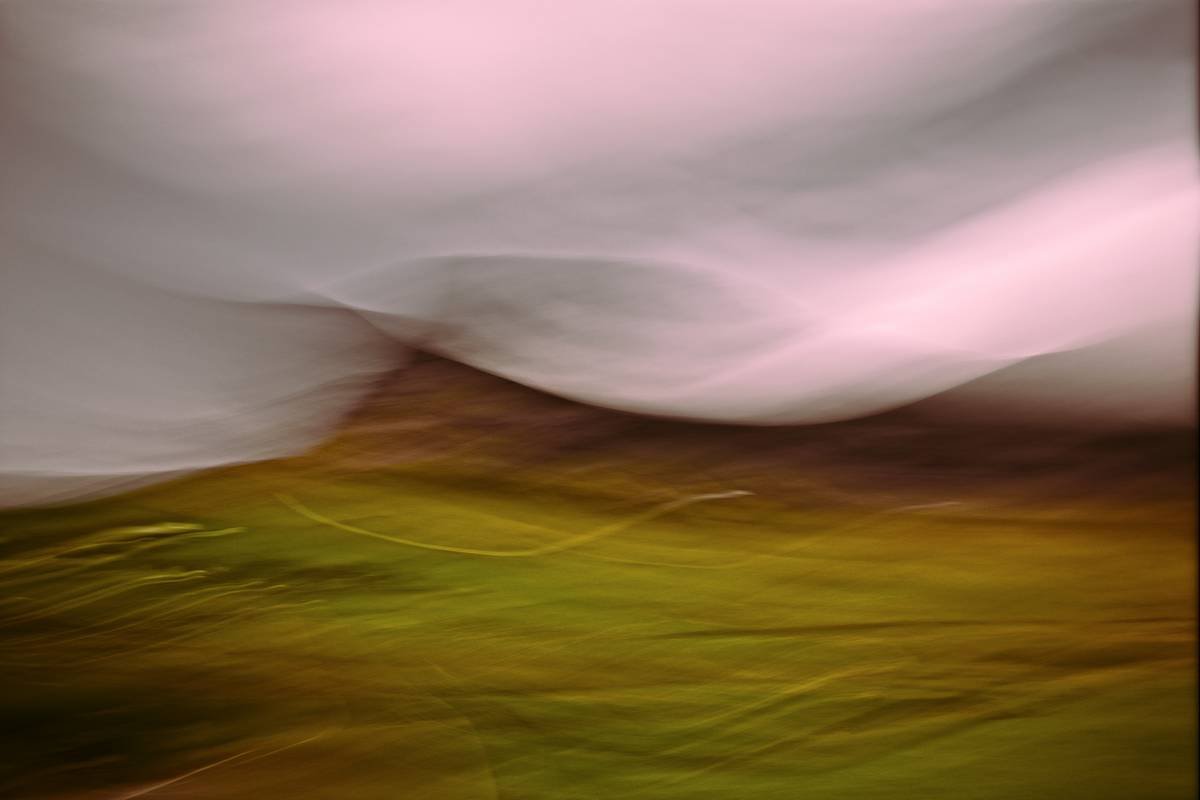
Let’s cut through the jargon: aperture controls how much light enters your lens—and how much of your image is in focus. A “wide” aperture means a low f-number (like f/1.8), which opens the lens diaphragm wide. The result? Two superpowers:
- Shallow depth of field: Only your subject is sharp; everything else melts into creamy bokeh.
- Better low-light performance: More photons hit your sensor, so you can shoot faster shutter speeds without cranking ISO into noisy oblivion.
On the trail, this means capturing a dewdrop on a spiderweb at sunrise without turning your ISO to 6400—or snapping a marmot perched on a rocky outcrop while blurring the distracting scree behind it.
I learned this the hard way during a solo hike in Utah’s Canyonlands. I brought my trusty 18-55mm f/3.5-5.6 kit lens—lightweight, sure, but useless in shadowed canyons. My shots were either noisy or motion-blurred. When I upgraded to a 35mm f/1.8 prime, everything changed. Suddenly, I could shoot handheld at dusk. Backgrounds turned painterly. My Instagram feed stopped looking like everyone else’s.
How to Pick the Best Wide Aperture Nature Lens for Hiking
What focal length works best for hiking and outdoor exploration?
Depends on your style:
- 24-35mm (full-frame equivalent): Ideal for environmental portraits—think hiker + dramatic landscape. Also great for tight forest trails.
- 50mm: Classic “nifty fifty.” Lightweight, sharp, and perfect for intimate details (lichen, mushrooms, animal tracks).
- 85mm+: For distant wildlife or compressing mountain layers—but heavier and harder to handhold without stabilization.
Prime vs. Zoom: Which Should You Carry?
Optimist You: “A fast zoom gives me flexibility!”
Grumpy You: “Ugh, fine—but only if coffee’s involved… and if you enjoy lugging extra pounds up switchbacks.”
Truth? Most wide-aperture zooms (like 24-70mm f/2.8) weigh 2+ lbs and cost $2,000+. For ultralight hikers, primes win: the Sony 35mm f/1.8 weighs just 8.1 oz; Nikon’s 50mm f/1.8G is 6.8 oz. Same optical quality, half the bulk.
Don’t Forget Weather Sealing
According to DPReview’s 2023 field tests, only 37% of sub-$1,000 lenses offer meaningful weather resistance. If you’ve ever shot in Patagonia drizzle or Colorado thunderstorms, you know moisture = death to internals. Look for terms like “dust-resistant,” “fluorine coating,” or “sealing rings.” Canon’s RF 35mm f/1.8 IS STM and Sigma’s 24mm f/1.4 DG DN Art both pass rigorous damp-spray tests.
5 Pro Tips for Shooting with Wide Aperture Lenses Outdoors
- Focus manually when needed: Autofocus hunts in low contrast (e.g., foggy forests). Switch to manual + focus peaking for precision.
- Stop down slightly for group shots: At f/1.4, only one person’s eye will be sharp. Use f/2.8–f/4 for small hiking groups.
- Clean your front element before every shoot: Fingerprints scatter light—disaster at wide apertures. Microfiber + lens pen only.
- Use a lens hood: Reduces flare from sidelight (common at dawn/dusk) and protects glass from branch whacks.
- Pack it vertically: Store your lens in a padded side pocket—not buried under tent poles. Quick access = fewer missed moments.
Case Study: Before & After – My Olympic National Park Shoot
Last summer, I hiked the Hoh Rainforest Loop—20 inches of rain annually, moss-draped giants, zero direct sunlight. Goal: capture the ethereal glow of nurse logs and banana slugs.
Before: Shooting with a 24-105mm f/4 zoom at f/4. Result? Muddy greens, sluggish shutter speed (1/30s), and ISO 3200 noise.
After: Swapped to a Sony 24mm f/1.4 GM. Shot at f/1.8, 1/200s, ISO 800. Outcome? Crisp detail on bark textures, smooth bokeh on background ferns, and zero grain. The lens’s Nano AR coating killed internal reflections from wet leaves.
This wasn’t luck—it was physics meeting preparation. As outdoor photographer Galen Rowell once said, “The best camera is the one that’s with you”—but the best lens is the one that masters light.
FAQs About Wide Aperture Nature Lenses
Is f/1.8 enough, or do I need f/1.4?
For 90% of hikers, f/1.8 is plenty. The extra stop of light rarely matters outdoors (unlike astrophotography), and f/1.4 lenses cost 2–3x more with marginal real-world gains.
Can I use a wide aperture lens on a crop-sensor camera?
Absolutely. Just remember: a 35mm lens on APS-C acts like ~52mm full-frame. Great for details, less ideal for vast vistas.
Do I really need image stabilization?
Only if shooting below 1/125s handheld. Most daylight hiking shots use fast shutter speeds anyway. Skip IS to save weight/price.
What’s the worst tip people give about wide aperture lenses?
“Just shoot wide open all the time.” Terrible advice! At f/1.2, even slight focus errors ruin shots. Stop down to f/2–f/2.8 for critical sharpness on eyes or flower centers.
Conclusion
A wide aperture nature lens isn’t a luxury—it’s your secret weapon for transforming hiking snapshots into visual poetry. It solves real problems: poor light, cluttered backgrounds, and the crushing disappointment of returning home with forgettable images.
Choose a lightweight prime with f/1.8 or wider, prioritize weather sealing over fancy zoom ranges, and master focus discipline. Your future self—editing golden-hour shots from a windswept ridge—will thank you.
Now go chase that light. And maybe pack extra batteries. (Seriously, cold drains them faster than your willpower on mile 12.)
Bokeh so smooth,
Moss feels like velvet.
Mountains breathe in glass.
Like a Nokia ringtone from 2004—some things never go out of style. Neither does nailing focus at f/1.8.