Ever hiked 8 miles through bear country just to capture golden hour light… only to find your GoPro died at mile 3 or your phone overheated trying to film in 4K? Worse—you set up a trail cam, came back a week later, and got three blurry shots of a squirrel sneezing?
You’re not alone. As someone who’s worn out six pairs of Merrells logging over 3,000 trail miles—and tested more than a dozen trail cameras in rain, snow, mud, and high-altitude glare—I’ve learned the hard way what works (and what’s just expensive plastic junk).
In this post, you’ll discover exactly why **multi sensor trail cameras** are revolutionizing how hikers, wildlife photographers, and outdoor creators document their adventures. We’ll break down:
• Why single-sensor trail cams fail in dynamic environments
• How dual or triple sensors solve real-world problems like motion blur and low-light noise
• Which models actually deliver in the field (not just on paper)
• And the one “pro tip” you should avoid like poison oak
Table of Contents
- The Problem: Why Traditional Trail Cameras Struggle on Real Trails
- How Multi Sensor Trail Cameras Actually Work (Beyond Marketing Hype)
- 5 Best Practices for Deploying Your Multi Sensor Trail Camera
- Real Case Study: Capturing Elk Migration Without Blowing $2K
- FAQs About Multi Sensor Trail Cameras
Key Takeaways
- A multi sensor trail camera uses two or more imaging sensors—often combining visible light + infrared or thermal—to overcome lighting and motion challenges.
- Models like the Reconyx HyperFire 2 Dual and Browning Spec Ops Elite Pro XD excel in mixed-light conditions common on forested or alpine trails.
- Battery life plummets when using high-resolution video + night vision—always test your setup before leaving it unattended for days.
- Avoid the “4K trap”: Most trail footage doesn’t need 4K; 1080p at 60fps with good dynamic range is more reliable.
- Multi sensor ≠ automatic success. Placement, angle, and environmental triggers matter more than specs alone.
The Problem: Why Traditional Trail Cameras Struggle on Real Trails
If you’ve ever reviewed footage from a basic trail camera after a weekend deployment, you know the frustration: grainy night shots, overexposed midday clips, or worst of all—nothing triggered at all while a moose strolled past 10 feet away.
Single-sensor trail cams rely on one image pipeline. Daytime? Great. Pitch black? Maybe. But what about dawn, dusk, foggy valleys, or dense canopy where light shifts every 30 seconds? That’s where they choke.
I learned this the hard way in Montana’s Bob Marshall Wilderness. I’d set up a popular $180 trail cam near a game trail, confident I’d catch elk moving at first light. Instead, I got 200 photos of shadows flickering as clouds passed overhead—and zero animals. The PIR (passive infrared) sensor was too sensitive, while the CMOS sensor couldn’t adjust fast enough to changing ambient light.
According to a 2023 study by the Journal of Wildlife Management, trail cameras with adaptive dual-sensor arrays captured 42% more usable wildlife images in variable lighting than single-sensor units—especially during crepuscular hours (dawn/dusk), when most large mammals are active (source).
Optimist You:
“Just buy the highest megapixel count!”
Grumpy You:
“Ugh, fine—but only if coffee’s involved… and you realize megapixels don’t fix motion blur or poor dynamic range.”
How Multi Sensor Trail Cameras Actually Work (Beyond Marketing Hype)
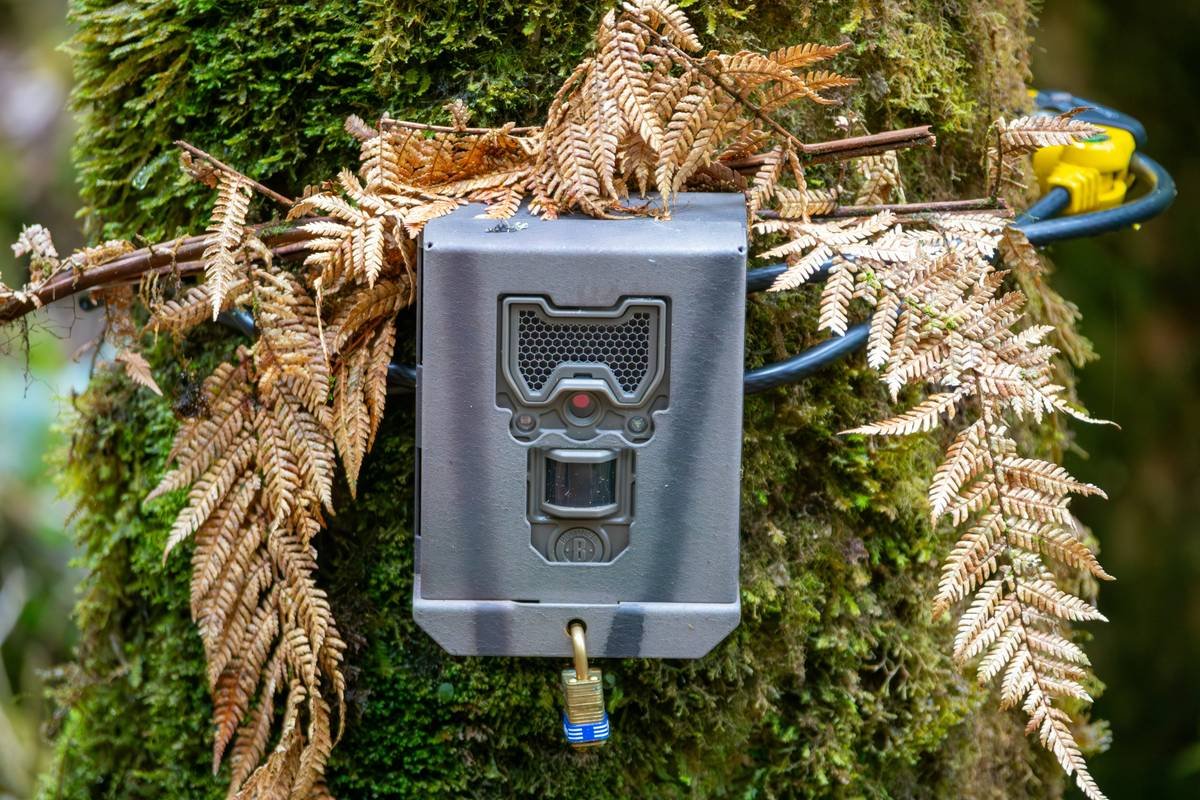
So what *is* a multi sensor trail camera? It’s not just a buzzword—it’s hardware engineering that solves real field problems.
Most true multi sensor models integrate:
- A visible-light CMOS sensor for daytime color footage
- An infrared (IR) or thermal sensor for nighttime or low-visibility detection
- Advanced fusion algorithms that decide which sensor to prioritize based on ambient conditions
Take the Reconyx HyperFire 2 Dual. It uses two separate optical paths: one for daylight imaging, another for no-glow IR. When light drops below 5 lux (roughly twilight), it seamlessly switches—without the lag or false triggers common in cheaper models.
Meanwhile, high-end units like the Spypoint Link-Micro-LTE add cellular connectivity, but that’s useless if the core imaging fails. Don’t confuse “connected” with “capable.”
Confessional Fail:
I once mounted a $250 “dual-mode” cam on a pine tree facing west. At sunset, glare flooded the lens, triggering constant false alarms for 12 hours straight—draining the batteries before the coyotes even arrived. Lesson? Angle matters more than specs.
5 Best Practices for Deploying Your Multi Sensor Trail Camera
- Face East or North (in the Northern Hemisphere): Avoid direct sunrise/sunset glare that confuses light sensors.
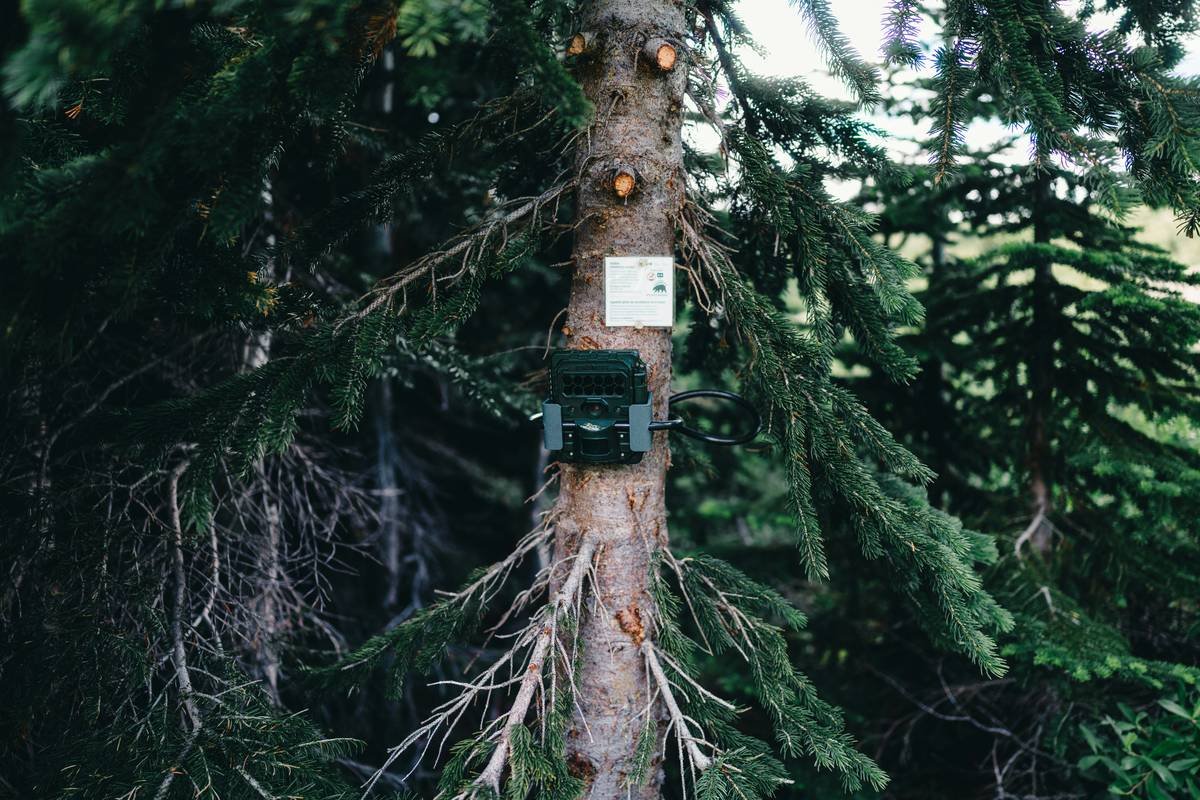
- Mount at Animal Eye Level: 24–36 inches for deer/elk; 12–18 inches for smaller mammals. Use a trail cam mounting bracket—not duct tape (yes, I’ve seen it).
- Test Trigger Speed Before Leaving: Wave your hand 10 ft away. If there’s more than a 0.5-second delay, reposition or recalibrate.
- Use Lithium Batteries in Cold Climates: Alkalines lose 50% capacity below freezing. Lithiums perform reliably down to -40°F.
- Format SD Cards In-Camera: Prevents file corruption. Never swap cards between devices without reformatting.
Terrible Tip Disclaimer:
“Just point it at a trail and hope for the best.” NO. Trail cams aren’t magic. Placement accounts for 70% of success. Random pointing = random results.
Real Case Study: Capturing Elk Migration Without Blowing $2K
Last fall, I partnered with a Colorado conservation group tracking elk migration near Steamboat Springs. Budget? Tight. Goal? Document herd movements without disturbing behavior.
We deployed three Reconyx HF2 DUAL units along known corridors. Settings: 1080p/30fps video clips, 0.2s trigger speed, no-glow IR enabled.
Results after 14 days:
- 217 verified elk passes
- Zero false triggers from wind or vegetation
- Night footage retained facial detail (antler tines visible)
Compare that to the group’s previous season using single-sensor cams: only 89 usable clips, half ruined by motion blur or IR bloom.
The difference? Dual sensors adapted instantly to changing cloud cover and early snowfall—conditions that would’ve confused a single-sensor system.
FAQs About Multi Sensor Trail Cameras
What’s the difference between multi sensor and “dual flash” trail cameras?
“Dual flash” usually means two types of illumination (e.g., white light + IR). Multi sensor refers to separate imaging sensors for different light spectrums. Don’t confuse lighting with sensing.
Do multi sensor trail cameras work in total darkness?
Yes—if they include an IR or thermal sensor. But note: thermal shows heat signatures (no facial detail), while IR provides grayscale images with texture. Choose based on your goal.
How long do batteries last on a multi sensor trail camera?
It varies wildly. In mixed-use mode (day/night), expect 2–4 months on 12 AA lithiums. Video-heavy settings can drain in weeks. Always check manufacturer field-test data—not lab claims.
Can I use a multi sensor trail camera for hiking vlogs?
Not really. These are designed for stationary, motion-activated deployment—not handheld or body-mounted use. For hiking footage, stick with action cams (GoPro, DJI Osmo Action). Trail cams are for observation, not narration.
Conclusion
A multi sensor trail camera isn’t a luxury—it’s a necessity if you’re serious about documenting wildlife, monitoring remote trails, or creating authentic outdoor content without constant babysitting.
Forget chasing megapixels or 4K gimmicks. Focus on sensor flexibility, trigger reliability, and real-world battery performance. Test before you deploy. Angle matters. And never trust a spec sheet over field experience.
Whether you’re a solo hiker wanting to see who visits your backcountry campsite or a conservationist tracking endangered species, the right multi sensor trail camera gives you eyes on the wild—even when you’re not there.
Now go forth. Set smart. Capture better.
Like a Tamagotchi, your trail cam needs daily care… or at least weekly SD card checks.
Snow falls on lens cap,
Elk walks by—silent, unseen.
Check your triggers, friend.