Ever tried navigating a moonlit trail, only to realize your flashlight is about as useful as a chocolate teapot? Yeah, us too. That’s where night vision trail cameras come in—a game-changer for hikers and outdoor explorers.
This post dives deep into the world of night vision trail cameras, helping you capture those elusive nocturnal moments without stumbling through the dark. You’ll learn why these devices are essential, how to choose the right one, tips for optimal use, and some real-world examples that prove their worth.
Table of Contents
- Why Night Vision Trail Cameras Matter
- Choosing the Perfect Night Vision Trail Camera
- Top Tips for Using Your Night Vision Trail Camera
- Real-World Success Stories
- Frequently Asked Questions
Key Takeaways
- Night vision trail cameras let you explore after-hours wildlife safely.
- The best cameras combine infrared tech with long battery life.
- Placement matters—positioning can make or break your footage.
- Avoid cheap models; they’ll leave you cursing blurry images at 2 AM.
Why Night Vision Trail Cameras Matter
If you’ve ever wondered what happens on the trails when no one’s around, you’re not alone. I once set up my phone on time-lapse mode overnight to “catch” deer passing by. Spoiler alert: all I caught was dead batteries and an eerie video of swaying trees. Nightmare fuel aside, it made me realize—you need a proper tool for this kind of job.
Hiking cameras designed for nighttime shooting are more than just fancy gadgets. They help document rare wildlife activity, enhance safety during solo trips, and even provide peace of mind if you’re worried about intruders while camping. Plus, who wouldn’t want bragging rights with crystal-clear photos of raccoons raiding your cooler?
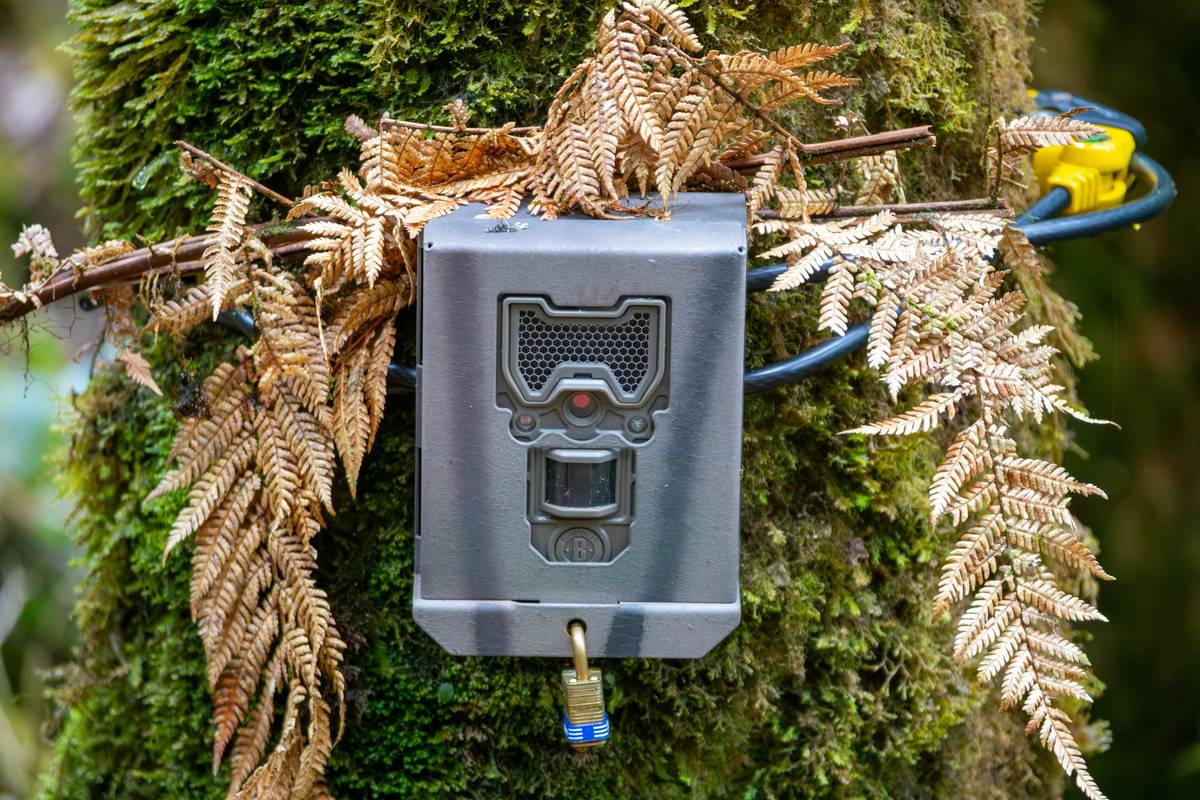
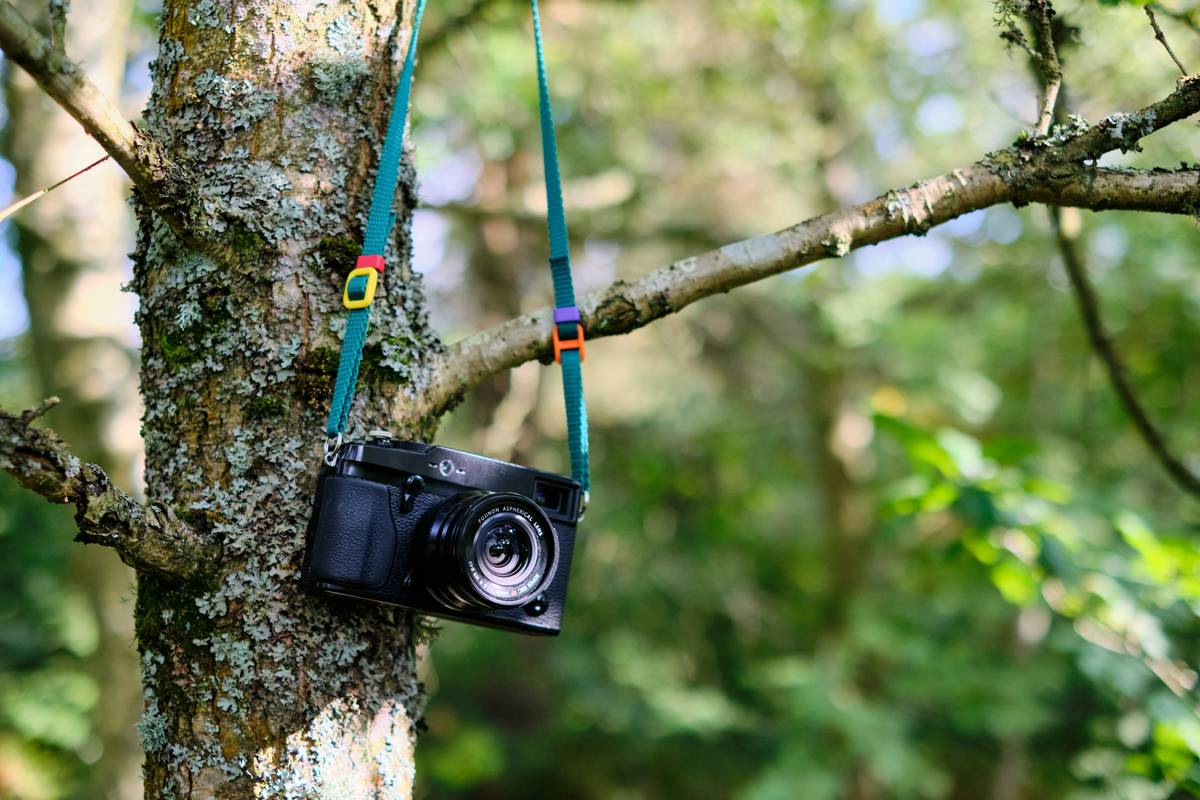
A night vision trail camera discreetly captures nocturnal animals crossing paths under cover of darkness.
Choosing the Perfect Night Vision Trail Camera
Don’t buy just any old “night cam”—you’ll regret it faster than trying to hike uphill in flip-flops. Here’s a quick guide:
- Infrared Sensitivity: Look for high-quality IR sensors. Anything less than stellar will leave you squinting at grainy blobs.
- Battery Life: Trust me, changing batteries every other day gets old fast. Opt for models with solar charging options.
- Detection Range: Make sure the detection range matches your hiking area size. Smaller ranges might miss critters lurking further away.
- Weather Resistance: If it rains (and it WILL), you don’t want soggy circuits ruining your adventure.
*Optimist You:* “Follow these tips!”
*Grumpy You:* “Ugh, fine—but only if coffee’s involved.”*
Top Tips for Using Your Night Vision Trail Camera
Where Should You Place It?
Near water sources, animal trails, or obvious feeding spots. Don’t be *that person* who points it straight at nothing.
A Terrible Tip: Mount It Too High
Placing your camera way above eye level sounds smart until you end up with zero usable shots. Keep it within natural line-of-sight zones.
Secure Setup Strategies
Use weatherproof mounts or straps instead of duct tape. Duct tape is chef’s kiss for indoor projects but trash-tier outdoors.
Rant Alert!
Cheap SD cards ruin everything. Seriously. Spending $5 extra could mean the difference between epic footage and corrupted files. Save yourself the headache.
Real-World Success Stories
Last summer, Sarah from Colorado used her night vision trail camera to record bears visiting her campsite while she slept peacefully in her tent. Not only did she avoid potential danger, but she also scored viral Instagram fame with the footage!
On the flip side, Mark learned the hard way why placement matters. After placing his camera too close to a busy squirrel highway, he ended up with hours of twitchy rodent faces—not exactly thrilling.
Frequently Asked Questions
Do Night Vision Trail Cameras Work in Total Darkness?
Absolutely! Most modern models rely on infrared LEDs for illumination invisible to humans and animals alike.
How Far Can These Cameras Detect Motion?
Typical ranges vary between 30 to 100 feet depending on the model. Always check product specifications.
Are Night Vision Trail Cameras Legal Everywhere?
Yes, but local laws may restrict usage in residential areas due to privacy concerns. Check regulations before setting yours up.
Conclusion
Night vision trail cameras aren’t just cool accessories; they’re indispensable tools for anyone passionate about hiking and outdoor exploration. With the right choice, setup, and care, they open doors to unseen worlds—and keep you safer along the way.
So go ahead, embrace the night. And remember:
Starlight fades,
Shadows whisper secrets.
Your camera knows.