Ever come back from an epic hike with zero wildlife photos to show for it? Yeah, we’ve all been there.
In this guide, you’ll learn why a motion sensor trail camera is the ultimate hiking companion and outdoor exploration tool. From setup tips to best practices, we’ll uncover exactly how to capture those elusive critters that only seem to appear when your back is turned.
Table of Contents
- Why You Need a Motion Sensor Trail Camera
- Choosing and Setting Up Your Trail Camera
- Best Practices for Using Motion Sensor Cameras
- Real-World Success Stories
- FAQs About Motion Sensor Trail Cameras
Key Takeaways
- A motion sensor trail camera saves time by automatically capturing wildlife without needing you around.
- Placement strategies can make or break your success in photographing animals on the trail.
- Mistakes like forgetting batteries happen—but they’re avoidable with proper prep.
Why You Need a Motion Sensor Trail Camera
Hiking has always been about experiencing nature’s raw beauty firsthand. But let’s be honest: trying to snap pics of skittish deer at dawn often feels impossible.
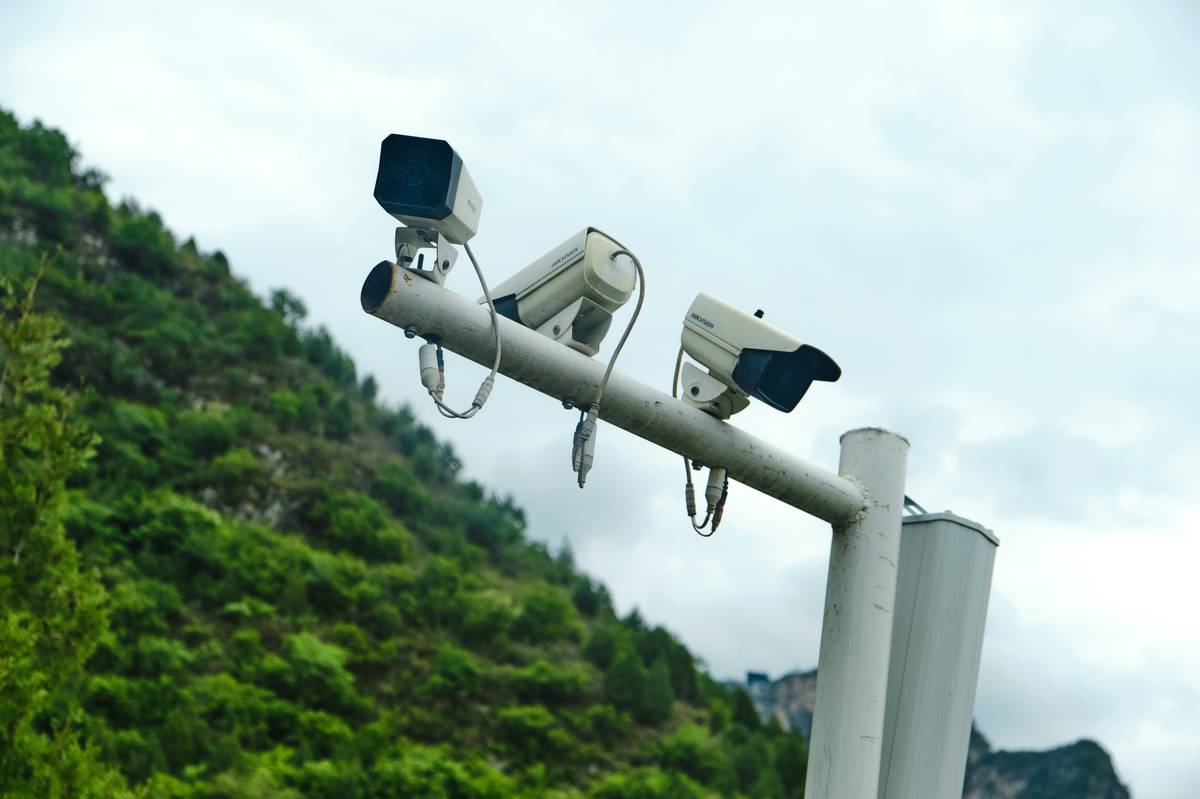
I once spent hours lurking behind bushes hoping to catch sight of a raccoon family I’d heard rumors about near my favorite trail. Spoiler alert—they showed up five minutes after I gave up and left! That’s where the motion sensor trail camera comes into play. These devices use infrared sensors to detect movement and trigger photos (or videos) automatically—no human intervention required.
Imagine coming home to stunning images of foxes playing or bears lumbering through the woods while you were busy eating granola miles away. Sounds dreamy, right?
Choosing and Setting Up Your Trail Camera
Optimist You: “Let’s get the perfect trail cam today!”
Grumpy You: “If only there weren’t so many options. Ugh.”
First things first: not all cameras are created equal. Here’s what to look for:
- Detection Range: Look for one with at least 50 feet of range to increase chances of spotting distant activity.
- Battery Life: A model with long battery life ensures fewer trips back to change out dead batteries mid-season.
- Night Vision: Animals love being nocturnal, so don’t forget night vision capabilities powered by IR LEDs.
Once you’ve chosen your trusty sidekick, placement becomes key. Avoid overly conspicuous spots—like directly facing bright sunlight—or high-trafficked areas where people might steal it.
Best Practices for Using Motion Sensor Cameras
Tip #1: Test Before Deployment
This sounds basic, but hear me out—I learned the hard way when my buddy set his brand-new camera up only to discover he hadn’t fully charged the batteries beforehand. Don’t be that guy. Triple-check power sources and test settings before leaving it unattended.
Terrible Tip Alert:
“Point your camera towards a busy road because cars move fast—more triggers mean more data!” Noooo, thank you. Sure, quantity seems cool until your SD card is filled with blurry car pics instead of nature shots!
Sneaky Squirrel Hack:
Rant incoming: Nothing frustrates me more than setting everything perfectly, only to return finding squirrels have triggered 200 selfies. To combat this, aim cameras higher above ground level if smaller animals become too much trouble.
Real-World Success Stories
Take Sarah, who invested in a top-notch motion sensor trail camera last year. Within weeks, she captured incredible footage of elk migration patterns near her cabin—a rare event locals hadn’t witnessed firsthand in over two decades.
Another case? Mark, whose carefully positioned camera revealed nightly visits from black bears feasting on berries outside his tent site. Not just great memories, but vital info helping him plan safer overnight hikes moving forward.

FAQs About Motion Sensor Trail Cameras
Do I really need night vision?
Absolutely. Many creatures venture out exclusively during twilight hours, making infrared night vision essential.
How do I prevent theft?
Lock boxes designed specifically for trail cams offer great protection against tampering or theft attempts. Alternatively, camouflage techniques also work wonders depending on terrain.
What happens if memory fills up?
Most models allow scheduling downloads via Wi-Fi apps or swapping SD cards periodically. Just remember to check regularly!
Conclusion
Investing in a quality motion sensor trail camera transforms ordinary hikes into extraordinary adventures full of discovery—even when you’re miles away. With careful planning, optimal positioning, and patience, documenting elusive wildlife becomes easier than ever.
Now grab your gear, charge those batteries, and get ready to capture moments worth sharing. Remember… the wild awaits.
Like Pokémon Go, but replace Pikachu with real-life bobcats.