Ever set up a trail camera only to get blurry, useless footage of raccoons moonlighting as ninjas? Yeah, us too. If you’re serious about hiking and outdoor exploration, capturing wildlife at night can feel like chasing Sasquatch through fog—frustrating and futile. But what if we told you there’s an easier way?
In this post, we’ll break down everything you need to know about Night Vision Trail Cameras, from solving your nocturnal photography woes to giving you pro-level tips even veteran hikers don’t know. You’ll discover how to pick the perfect camera, optimize its placement, and sidestep rookie mistakes that could sabotage your shots.
Here’s what we’re diving into:
Table of Contents
- Key Takeaways
- Why Night Vision Trail Cameras Matter for Hikers
- How to Choose Your Perfect Trail Camera
- Best Practices for Setting Up Your Night Cam
- Examples of Night Vision Success Stories
- FAQs About Night Vision Trail Cameras
Key Takeaways
- Night vision trail cameras are game-changers for documenting nocturnal wildlife.
- Picking the right model involves considering range, resolution, and battery life.
- Common setup blunders include poor angles and neglecting weatherproofing.
- Success stories show how these tools enhance both hiking and research endeavors.
Why Night Vision Trail Cameras Matter for Hikers
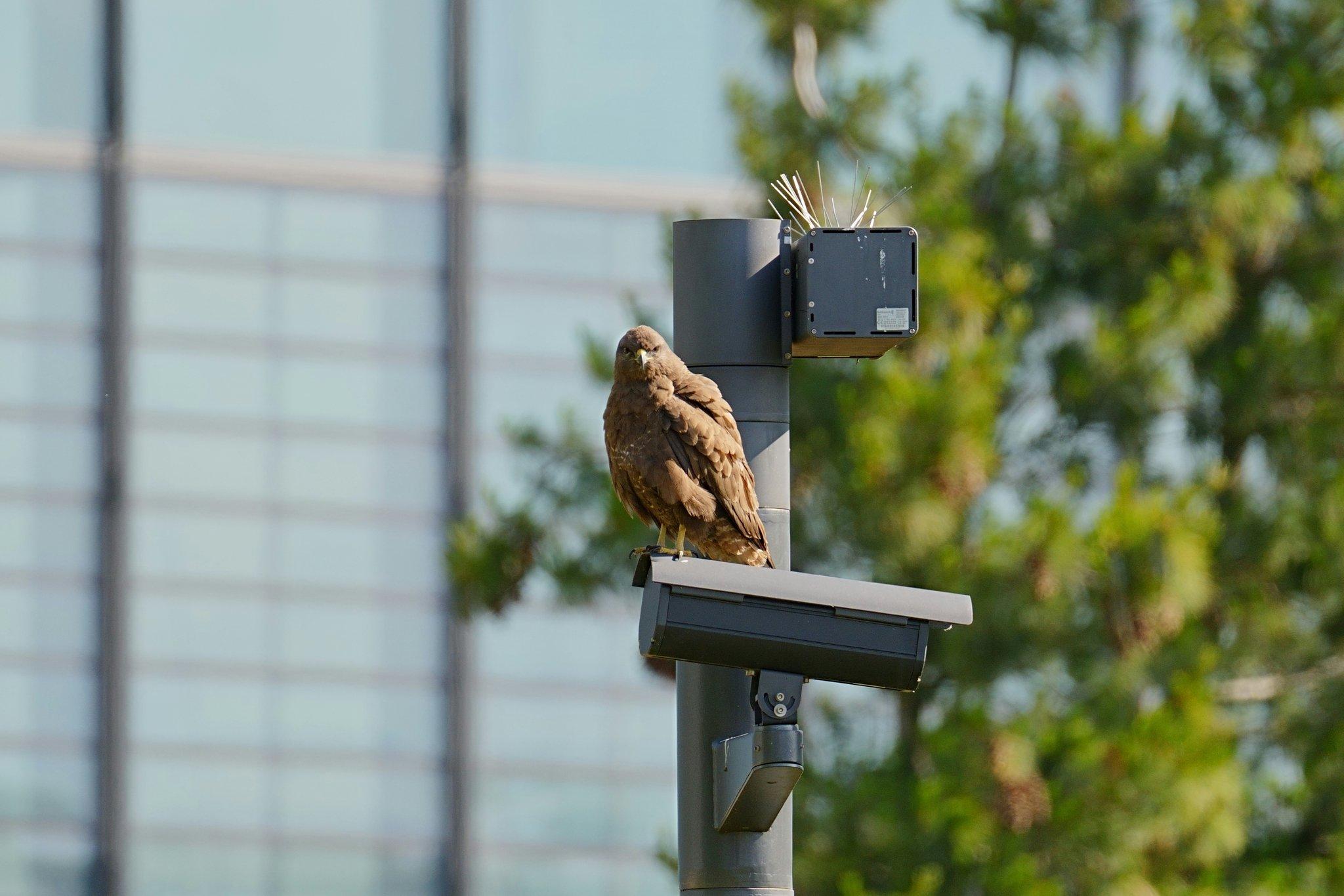
Imagine this scenario: You spend weeks planning the ultimate backcountry hike. Days turn into nights, and while everyone else snoozes in their tents, you’re left wondering—who—or what—is out there when darkness falls? Enter night vision trail cameras.
The beauty of these devices lies in their ability to document without disturbing nature’s rhythm. Unlike flashlights or smartphones, which spook animals faster than spilled coffee ruins your laptop keyboard, these gadgets silently capture high-definition footage under cover of darkness. They use infrared technology, so no harsh glare disrupts the natural behaviors of critters passing by.
Why should every hiker care?
Well, apart from bragging rights (hello, Instagram-worthy bear selfies), they offer practical benefits. Researchers tracking endangered species rely heavily on such tech. For adventurers, it adds depth to storytelling—a glimpse into unseen worlds makes your adventures richer, whether shared around campfires or online.
How to Choose Your Perfect Trail Camera
Now for the fun part—shopping! Or, well… shopping smartly. Because let’s face it; nobody wants to invest $300+ in something that ends up collecting dust—not data.
Optimist You: “Pick one with awesome features!”
Grumpy You: “Ugh, fine—but only after reading this guide.”
- Detection Range: Want to spy on deer grazing 100 yards away? Ensure the camera has decent motion sensor reach. Pro tip: Anything over 80 feet is solid.
- Resolution Matters: Crisp images mean better identification later. Aim for 1080p minimum. Anything less feels like watching Netflix on dial-up internet circa 2005.
- Battery Life: Ever scrambled mid-trip because your GPS died? Same vibe here. Opt for models touting long battery lives, ideally solar-compatible ones for extended trips.
- Weatherproof Rating: Trust me, Mother Nature loves testing gear durability. IP66-rated or higher ensures survival during rainstorms/snowfall/etc.
Best Practices for Setting Up Your Night Cam

Congrats on acquiring your shiny new device! Now comes the tricky bit—setting it up correctly. This step separates amateurs from pros (and clear footage from blurry blobs).
Do:
- Aim Low: Wildlife tends to move closer to ground level. Mounting too high results in missed opportunities.
- Blend In: Cover any shiny parts with camouflage tape—it reduces reflections alerting curious critters.
- Test First: Snap test photos/videos before leaving. Sounds obvious, but skipping this leads to heartbreaking discoveries later.
Don’t:
- Face Direct Sunlight: Morning light triggers false alarms faster than alarm clocks ruin mornings.
- Ignore Theft Risks: Secure it tightly. Thieves love easy targets almost as much as raccoons adore leftover granola bars.
Pro Tip: One terrible yet surprisingly common mistake? Ignoring memory card limits. Running out of storage mid-adventure means missing epic moments—like capturing wolves dancing under full moons. Always carry extras!
Examples of Night Vision Success Stories
Let’s geek out together. Here’s proof that investing in quality gear pays off big time:
Case Study #1: Bob the Bear Whisperer
Bob, an avid backpacker turned accidental conservationist, installed several top-tier night cams near his favorite trails. Over months, he documented rare sightings of black bears and bobcats interacting peacefully—a first-ever record in his region. His findings made headlines locally, earning him invitations to wildlife symposiums worldwide.
Case Study #2: Sarah & Her Stealthy Stalker Squad
Sarah, leading a group of eco-tourists, wanted to add unique value to her guided hikes. By pre-installing night cams along popular routes, she surprised guests with personalized “Wildlife Report Cards” detailing creatures spotted overnight. Her innovative approach boosted bookings by 75% within a year!
FAQs About Night Vision Trail Cameras
Q: How far can most night vision cameras detect movement?
A: Typically between 60–120 feet, depending on the model and environmental conditions.
Q: Do I need Wi-Fi connectivity?
A: Not always necessary unless real-time updates excite you enough to justify potential signal issues deep in wilderness areas.
Q: Can animals sense infrared light?
A: Most mammals cannot perceive IR wavelengths, making them ideal for stealthy surveillance.
Conclusion
Night vision trail cameras aren’t just toys for tech enthusiasts—they’re powerful allies enhancing our connection with nature. Whether you’re aiming to capture elusive creatures, enrich personal journals, or contribute valuable data to science, following this guide ensures success.
Remember: Every great adventure starts with preparation—and knowing exactly where those pesky possums hang out never hurts either. So charge that battery pack, load fresh SD cards, and venture forth confidently armed with knowledge. Happy trails ahead!
“Like a Tamagotchi, your SEO needs daily care—feed keywords wisely, nurture content patiently, watch rankings grow steadily.”