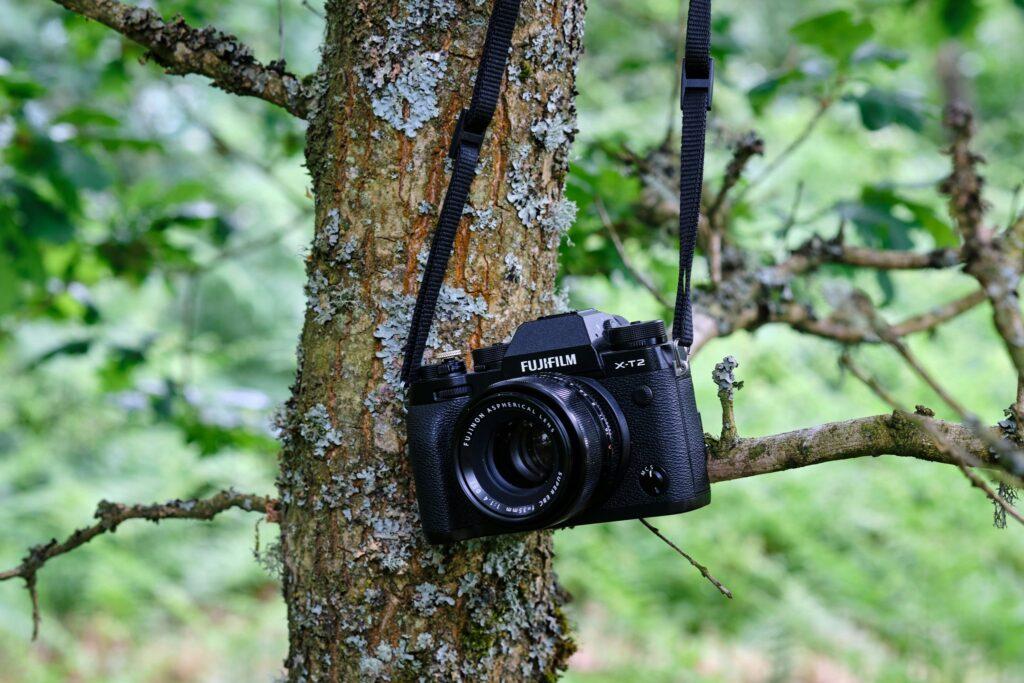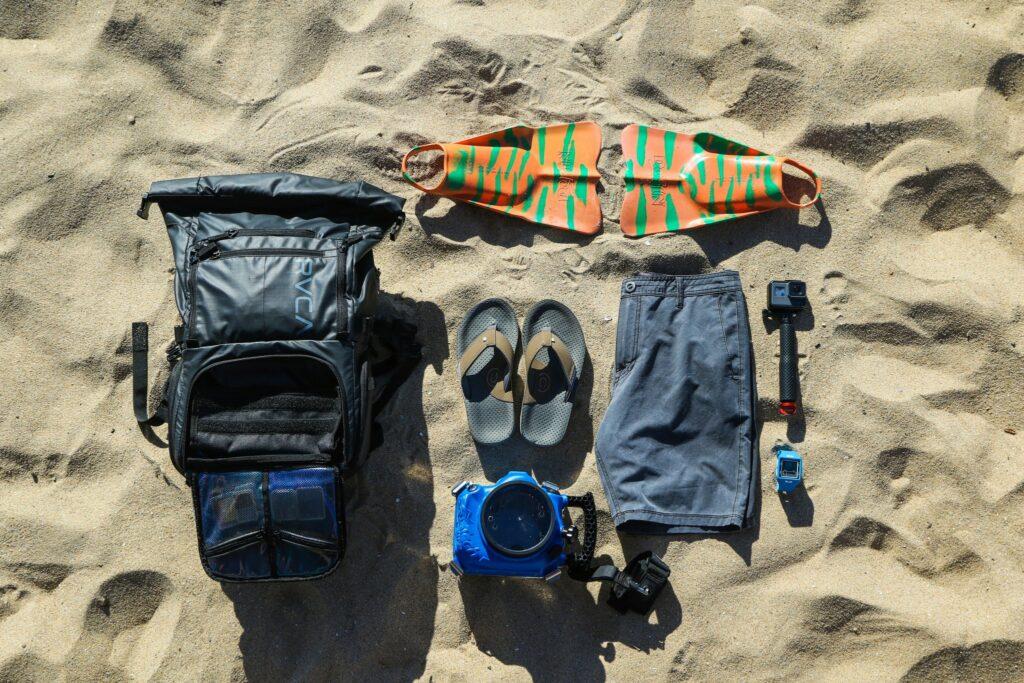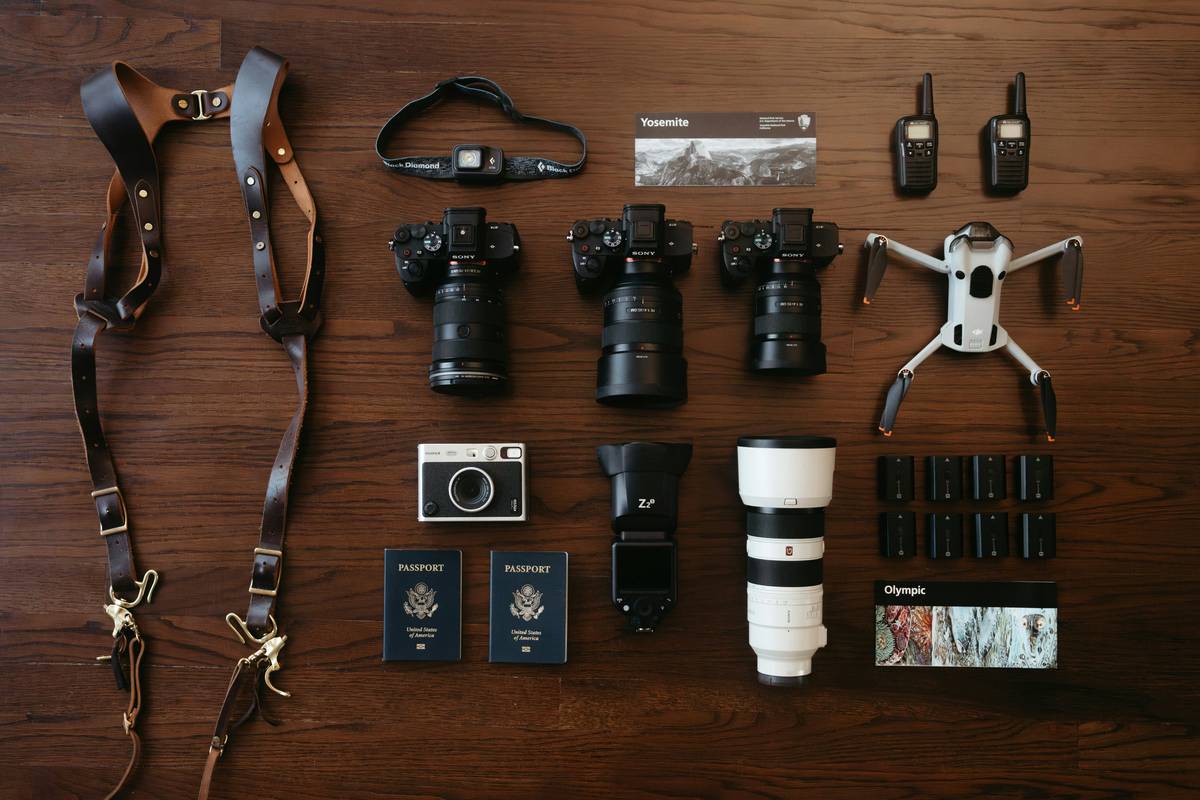
Ever been on an epic hike, only to realize your camera can’t keep up with the rugged terrain or fails to capture that perfect sunrise? Yeah, we’ve all been there. Whether you’re scaling mountains or exploring serene forests, choosing the right hiking camera is crucial for documenting those unforgettable moments. In this Adventure Shot Brands Review, we’ll dive into some of the best brands tailored for outdoor exploration.
You’ll learn which cameras are built to withstand nature’s toughest challenges, tips to maximize their performance, and real-life examples from avid hikers who nailed it. Plus, don’t miss our brutally honest take on what *not* to do when picking out gear!
Table of Contents
- The Problem With Cheap Cameras
- Choosing the Perfect Hiking Camera
- Best Practices for Shooting in the Wild
- Success Stories: Real Adventure Photography
- FAQs About Hiking Cameras
Key Takeaways
- Hiking cameras need to be durable, lightweight, and weather-resistant.
- Top adventure shot brands include GoPro, Sony, and Nikon for various budgets.
- Always test your gear before hitting the trail—don’t wing it like I did once.
- Use burst mode for action shots; manual settings for low-light scenarios.
- Don’t skimp on memory cards—they’re lifesavers for capturing hours of footage.
The Problem With Cheap Cameras
“Confession time,” says Grumpy Me. “I once bought a $50 no-name camera because—budget constraints, yo. It lasted exactly two hikes before dying during a drizzle. Not even heavy rain—just… drizzle.”
Outdoor photography isn’t just about megapixels and fancy features. If your camera can’t handle dust, humidity, or accidental drops, you’re setting yourself up for disappointment—and possibly losing priceless memories. Imagine reaching the summit after hours of climbing, ready to snap that golden-hour panorama, only to find out your lens fogged over halfway through the climb. Sounds like nails on a chalkboard, right?
Choosing the Perfect Hiking Camera
Optimist You: “Let’s pick the coolest-looking camera!”
Grumpy You: “Ugh, fine—but only if it meets these specs.”
What Should You Look For?
- Durability: Is it shockproof, waterproof, and dustproof? Brands like GoPro HERO series shine here.
- Weight: No one wants to lug around a brick-sized DSLR while trekking uphill.
- Battery Life: Some cameras drain faster than others. Look for models with long battery life or removable batteries.
- Versatility: Does it have both automatic and manual modes? This flexibility is key for different lighting conditions.
Rant Time: Waterproof Ratings Aren’t Standardized!
Pet peeve alert: Some companies slap a “waterproof” label without specifying depth limits. A camera rated IPX7 might survive splashes but drown at 10 feet. Always double-check the fine print!
Best Practices for Shooting in the Wild
Now that you’ve got the right gear, let’s talk strategy. Here’s how to make every shot count:
Tips From The Pros:
- Golden Hour is King: Shoot early morning or late afternoon for soft, dramatic lighting.
- Stabilize Your Shots: Carry a compact tripod or use natural surfaces (rocks, logs).
- Manual Focus Wins: Autofocus struggles in snow or dense foliage.
- Save Space: Use high-quality SD cards (at least 64GB) formatted specifically for video/photo storage.
Terrible Tip Disclaimer:
“Ignore post-processing software—it ruins authenticity.” Uh, nope. While editing shouldn’t alter reality entirely, tools like Lightroom or Snapseed enhance colors and clarity, making photos pop.
Success Stories: Real Adventure Photography
Take Sarah L., a professional photographer who swears by her Sony Alpha 7 III. She captured jaw-dropping aerial views of Patagonia using its superior dynamic range. Or Jake T., whose GoPro Hero 11 documented his entire Appalachian Trail journey, surviving everything from torrential downpours to subzero temps.
FAQs About Hiking Cameras
What’s the Best Brand for Beginner Hikers?
GoPro offers user-friendly options with impressive durability. Their app integration also simplifies sharing content.
How Do I Protect My Gear During Winter Hikes?
Insulate batteries, use silica gel packs to prevent moisture buildup, and avoid breathing directly onto lenses in cold temps.
Which Format Should I Choose for Long-Term Storage?
RAW files retain maximum detail but require more space. JPEGs are smaller yet compromise quality slightly.
Conclusion
To recap, selecting the ideal hiking camera involves balancing durability, functionality, and affordability. Brands reviewed here excel across different needs—from GoPro’s versatility to Sony’s stunning image quality. Follow the best practices shared above, avoid rookie mistakes, and remember: your camera should inspire confidence, not stress.
Like a Tamagotchi, your SEO grows stronger with daily care. So start experimenting with Adventure Shot Brands Review-worthy gear today!