Ever returned from an epic hike only to find your smartphone photos are a blurry mess or—worse—your camera got drenched in an unexpected downpour? Yeah, we’ve been there. A rugged hiking camera can save the day, but navigating this niche category feels like trying to decode a treasure map scribbled on soggy paper.
In this guide, you’ll discover why rugged hiking cameras are worth every penny, how to pick the perfect one without losing your sanity, and pro tips for capturing memories that scream “adventure.” Let’s get into it.
Table of Contents
- Why You Need a Rugged Hiking Camera
- How to Choose the Perfect Rugged Hiking Camera
- 7 Tips for Nailing Outdoor Shots
- Real-Life Examples: Capturing the Wild
- FAQs About Rugged Hiking Cameras
Key Takeaways
- Rugged hiking cameras are built to withstand extreme conditions—waterproof, shockproof, and dustproof.
- Look for cameras with excellent battery life, manual controls, and waterproof ratings of at least 10m.
- Avoid common mistakes like assuming any “water-resistant” device will cut it outdoors.
- The right accessories (think straps and lens protectors) can make all the difference.
- Your photos don’t have to be National Geographic-worthy; focus on storytelling instead!
Why You Need a Rugged Hiking Camera
Here’s a quick story: On my third day of a backcountry trip last summer, I slipped while crossing a stream—not graceful. My phone plunged straight into the icy water. It survived… barely. The screen cracked, and the photos were grainy messes. Lesson learned? Smartphones aren’t designed for hardcore hikes.
Rugged hiking cameras shine where smartphones fail:
- Weatherproofing: They laugh at rain, snow, and splashes.
- Durability: Drop them from heights taller than your camping chair—they’ll still work.
- Battery Life: Shoot hundreds of shots without needing a portable charger.

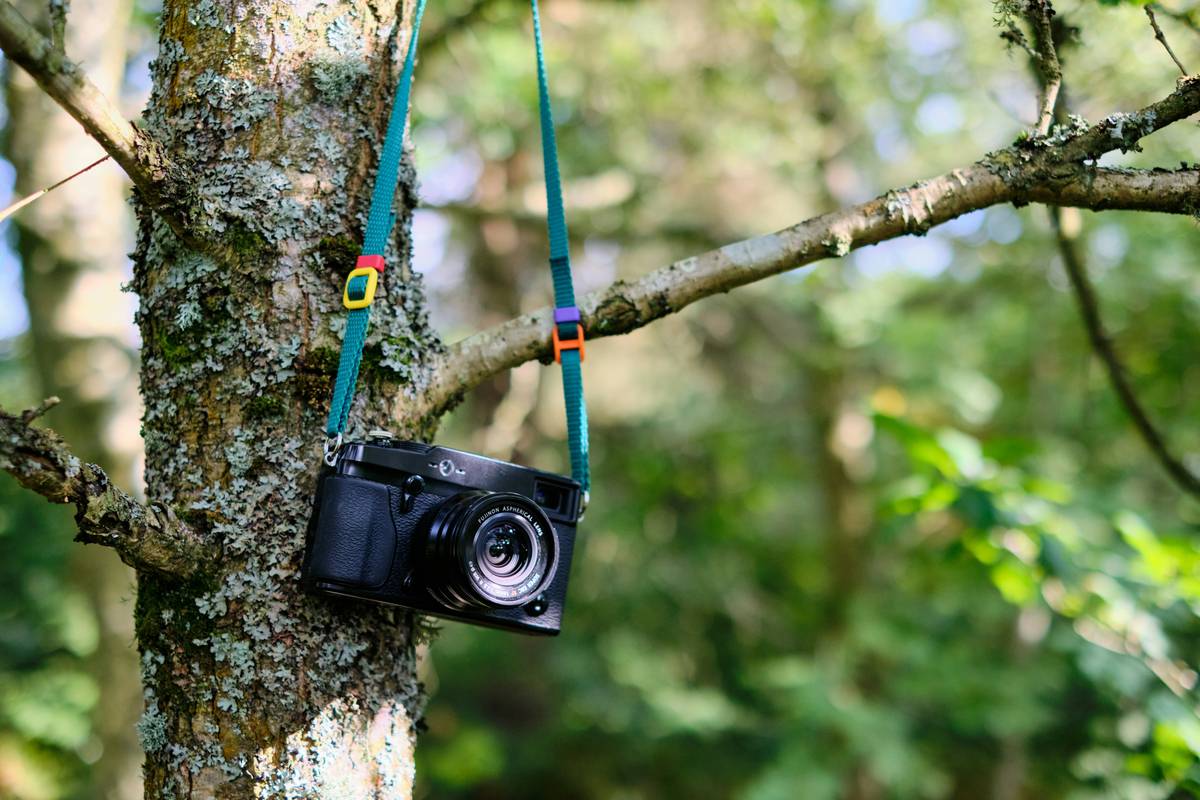
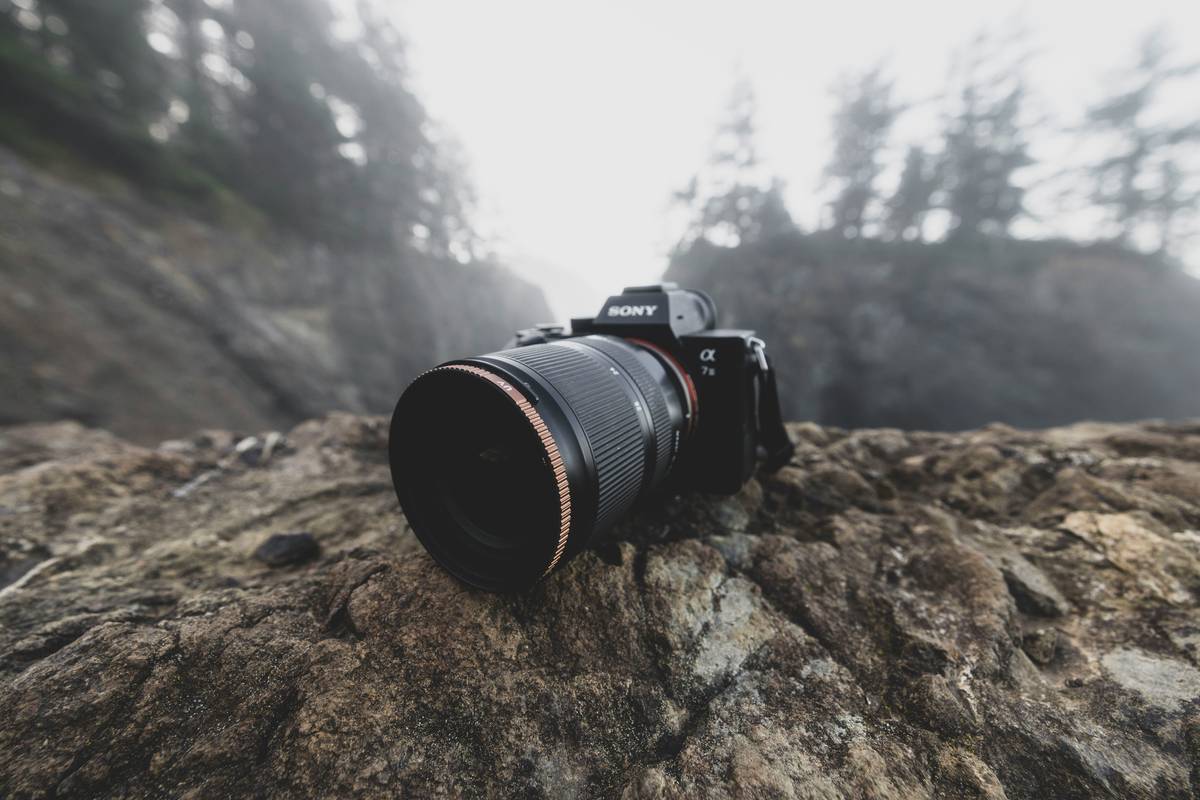
A rugged hiking camera showing off its waterproof capabilities during testing.
How to Choose the Perfect Rugged Hiking Camera
Optimist You: “This should be easy—it’s just buying a camera!” Grumpy You: “Ugh, fine—but only if coffee’s involved.”
Here’s your no-fuss step-by-step process:
Step 1: Check Waterproof Ratings
For riverside treks or coastal adventures, aim for at least IP68 waterproof standards or higher (submersible up to 15m).
Step 2: Evaluate Shock Resistance
A drop test rating over 2 meters ensures durability even when your grip goes rogue mid-climb.
Step 3: Consider Image Quality vs. Usability
“More megapixels = better,” right? Wrong. For most hikers, a balance between image quality and ease of use trumps raw specs every time.
Terrible Tip Alert:
Picking based solely on looks. Yes, sleek designs are appealing, but functionality trumps aesthetics here. Trust me—I bought a shiny camera once that died after two hikes because I didn’t check specs. RIP wallet.
7 Tips for Nailing Outdoor Shots
- Shoot in RAW: This gives you more flexibility for editing later.
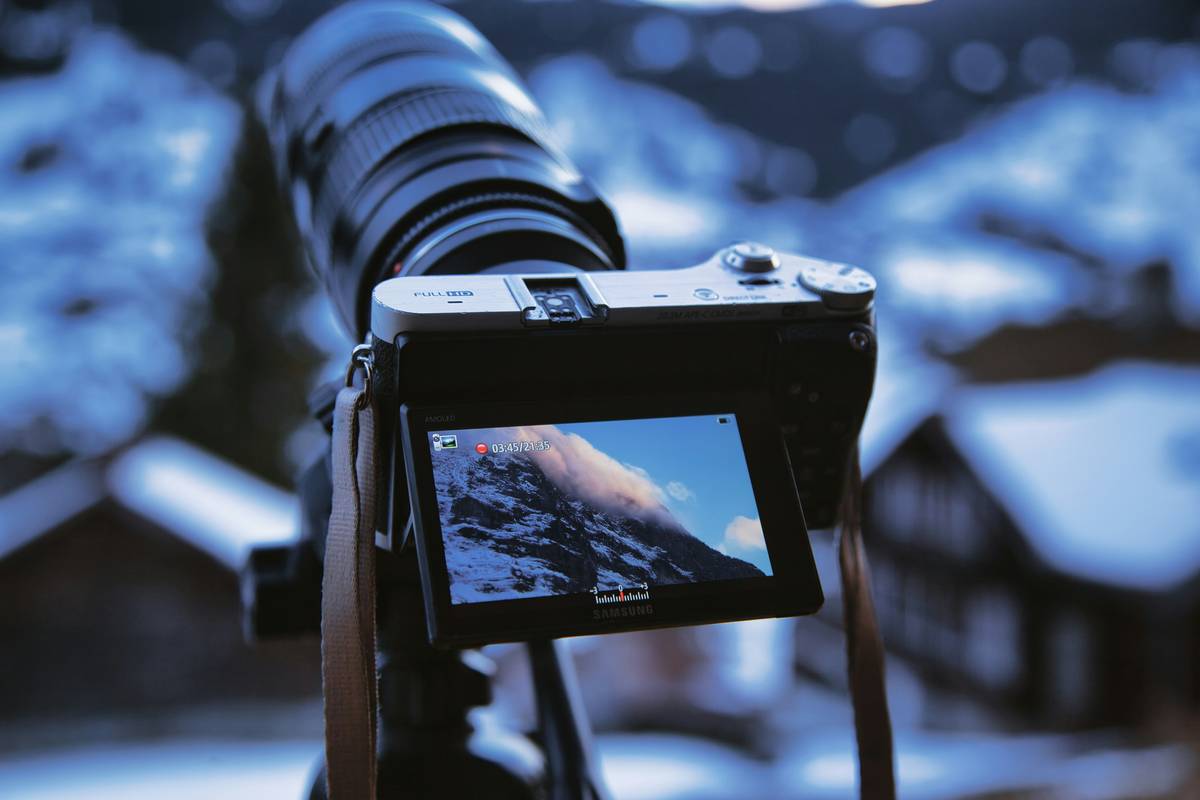
- Use Manual Mode: Adjust ISO, aperture, and shutter speed manually for sharp results.
- Leverage Natural Lighting: Golden hour magic works wonders in the wild.
- Invest in a Floating Strap: Duh, nobody wants to fish their camera out of a lake.
- Secure Your Gear: Use carabiners or durable cases to prevent drops.
- Clean Lenses Regularly: Dust, dirt, and fingerprints ruin great shots faster than bad weather.
- Backup Photos Daily: Memory cards fill up quickly, especially on multi-day trips.
Real-Life Examples: Capturing the Wild
Rant Time: Why do people think Instagram filters fix everything? Ugh. Real-life example coming up.
Last year, Sarah M., a seasoned traveler, opted for the Olympus Tough TG-6 rugged hiking camera during her Patagonia trek. With its waterproof build, she captured stunning glacier shots without worrying about moisture damage. Her images went viral—not because of fancy edits, but because they told authentic stories.
FAQs About Rugged Hiking Cameras
Is a rugged camera really necessary?
If you’re serious about exploring tough terrains, yes—it’s non-negotiable.
Do these cameras support interchangeable lenses?
Most models don’t, so prioritize zoom capabilities if versatility matters to you.
Can I use a GoPro as a rugged hiking camera?
Yes, but action cameras often lack advanced photography features compared to dedicated rugged cameras.
Conclusion
So, what’s stopping you from grabbing that rugged hiking camera and documenting your next big adventure? From surviving falls to snapping breathtaking panoramas, a quality rugged camera ensures not a single moment gets lost along the trail.
Before you go, here’s your parting gift—a haiku:
Rain meets rocky trails,
Rugged cam saves fleeting light,
Adventures immortal.
Now, grab that gear and start capturing!