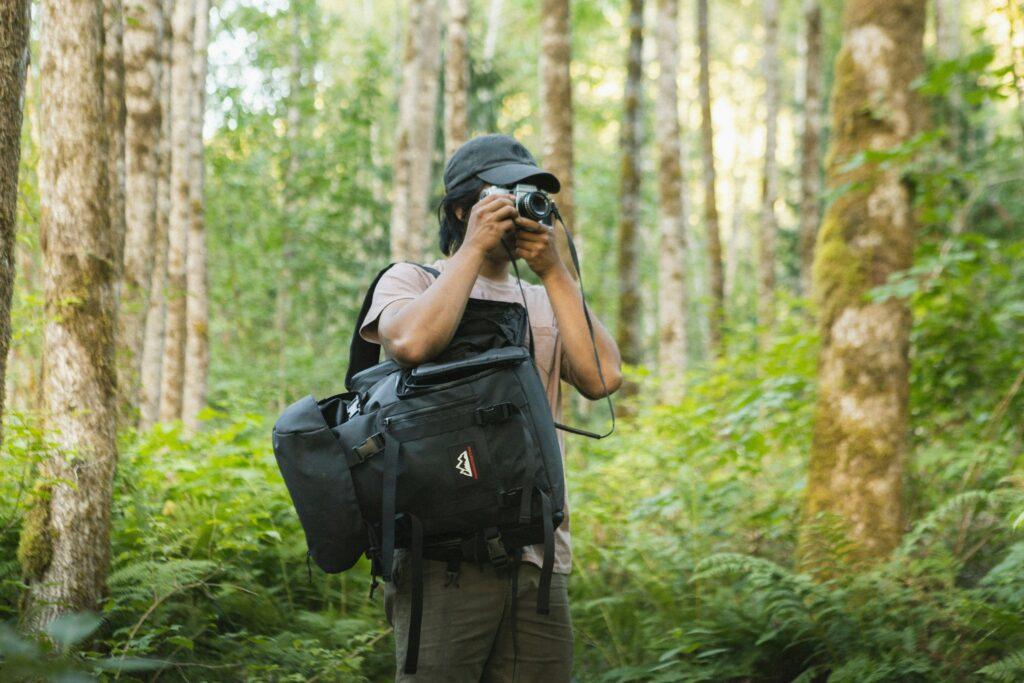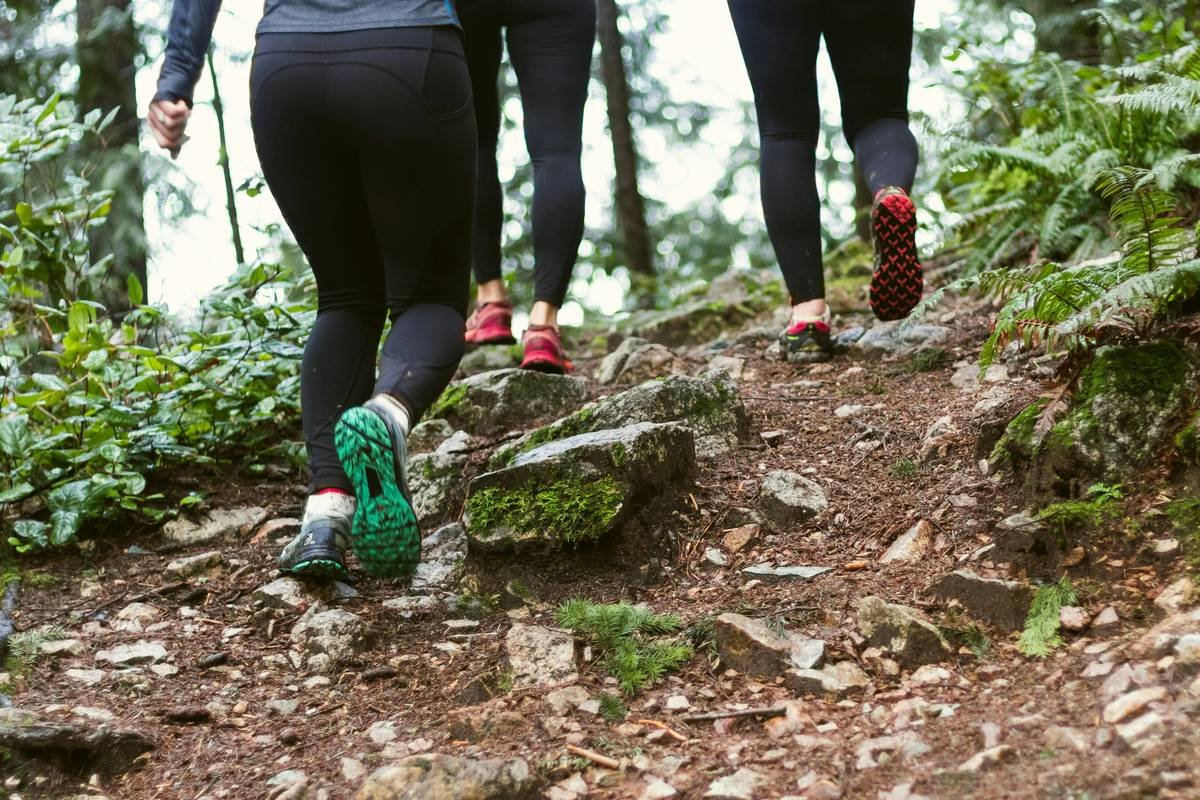
Ever lugged around a bulky camera on a 10-mile hike, only to realize you could’ve captured sharper nature shots with less gear? Yeah, us too.
If you’re passionate about hiking and documenting your outdoor adventures, this post is for you. We’ll dive deep into why a prime lens is the ultimate tool for capturing stunning nature photography during hikes. You’ll learn:
- Why prime lenses outshine zooms in rugged environments.
- A foolproof guide to choosing the right prime lens for your needs.
- Pro tips for mastering composition while sweating it out on the trail.
Table of Contents
- Key Takeaways
- The Problem With Lugging Heavy Gear
- How to Choose the Perfect Prime Lens
- Tips for Using Your Prime Lens in Nature
- Real-Life Success Stories from Hikers Like You
- Frequently Asked Questions About Prime Lenses
Key Takeaways
- Prime lenses offer superior image quality, faster apertures, and are lighter than zoom lenses—perfect for long hikes.
- A 35mm or 50mm f/1.8 prime lens is often the sweet spot for affordability and versatility in natural settings.
- Composition matters more than equipment; learn how to frame shots to make the most of your prime lens’s fixed focal length.
The Problem With Lugging Heavy Gear: Confessions From a Hiker Turned Photographer
Let me tell you about that time I brought my full DSLR kit—including two zoom lenses, a tripod, and extra batteries—on an eight-hour hike up steep switchbacks. It was supposed to be fun, but half the day felt like CrossFit training. My shoulders were screaming by mile three, and let’s just say… my photos ended up looking as exhausted as I did. Lesson learned? Lighter gear equals happier hikers (and better pictures).
You don’t need heavy equipment to capture prime lens nature. A single lightweight, high-quality prime lens can transform your experience without sacrificing photo quality. But here’s where things get tricky—you need to pick wisely because not all primes are created equal.
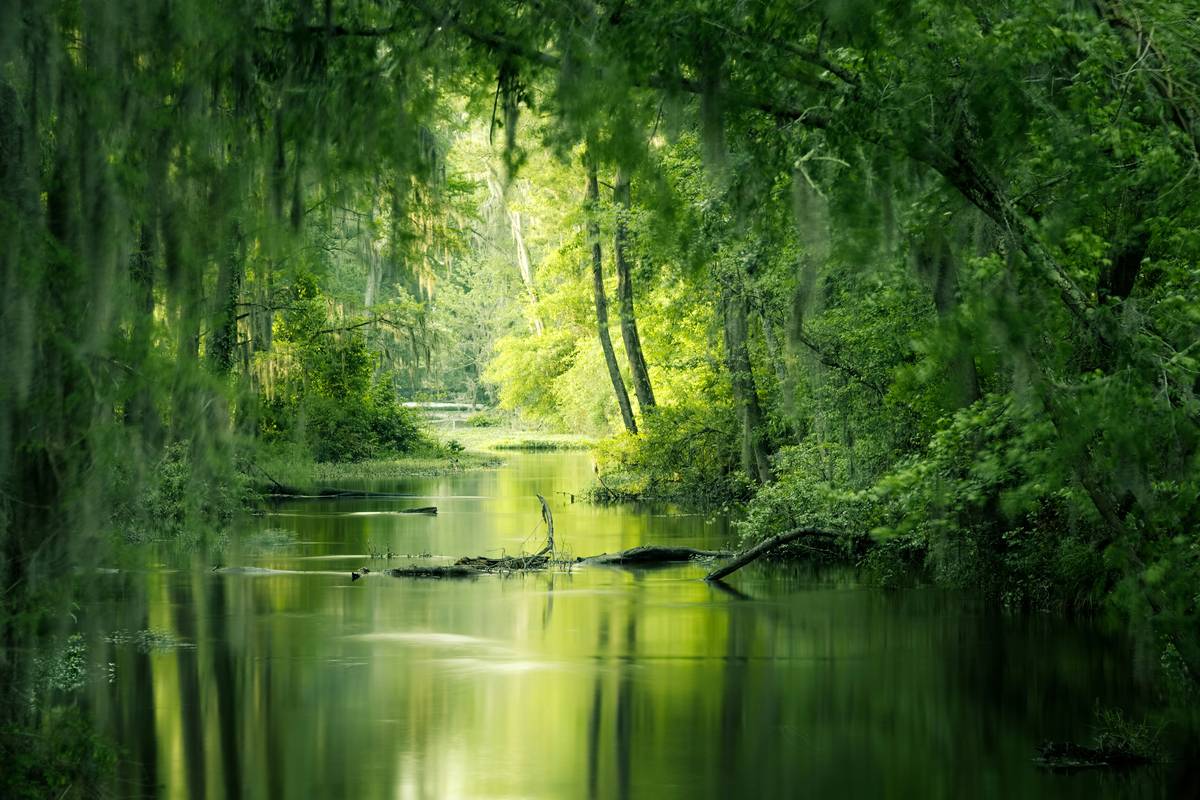
Figure 1: Ditching the bulk for simplicity makes hiking photography enjoyable again.
How to Choose the Perfect Prime Lens for Nature Photography
Optimist You:* “This will be easy, right? Just buy any old prime lens!”
Grumpy Me:* “Ugh, nope. Follow these steps unless you want blurry trees and missed sunsets.”
Step 1: Understand Aperture Priorities
Aperture determines how much light enters your camera sensor. For nature photographers, faster apertures (e.g., f/1.8) mean better low-light performance—crucial for golden hour magic or forested trails. Plus, they give you dreamy bokeh backgrounds, making flowers pop against soft greenery.
Step 2: Find Your Ideal Focal Length
Will you mostly shoot landscapes or wildlife? A 35mm works wonders for wide-angle views, while a 50mm strikes a balance between close-ups and distance shots. If critters are your focus (*pun intended*), consider investing in something longer, like an 85mm lens.
Step 3: Prioritize Weather Resistance
Rain happens, dust flies, sweat drips. Look for weather-sealed options if you plan to use your prime lens nature rig through unpredictable conditions.
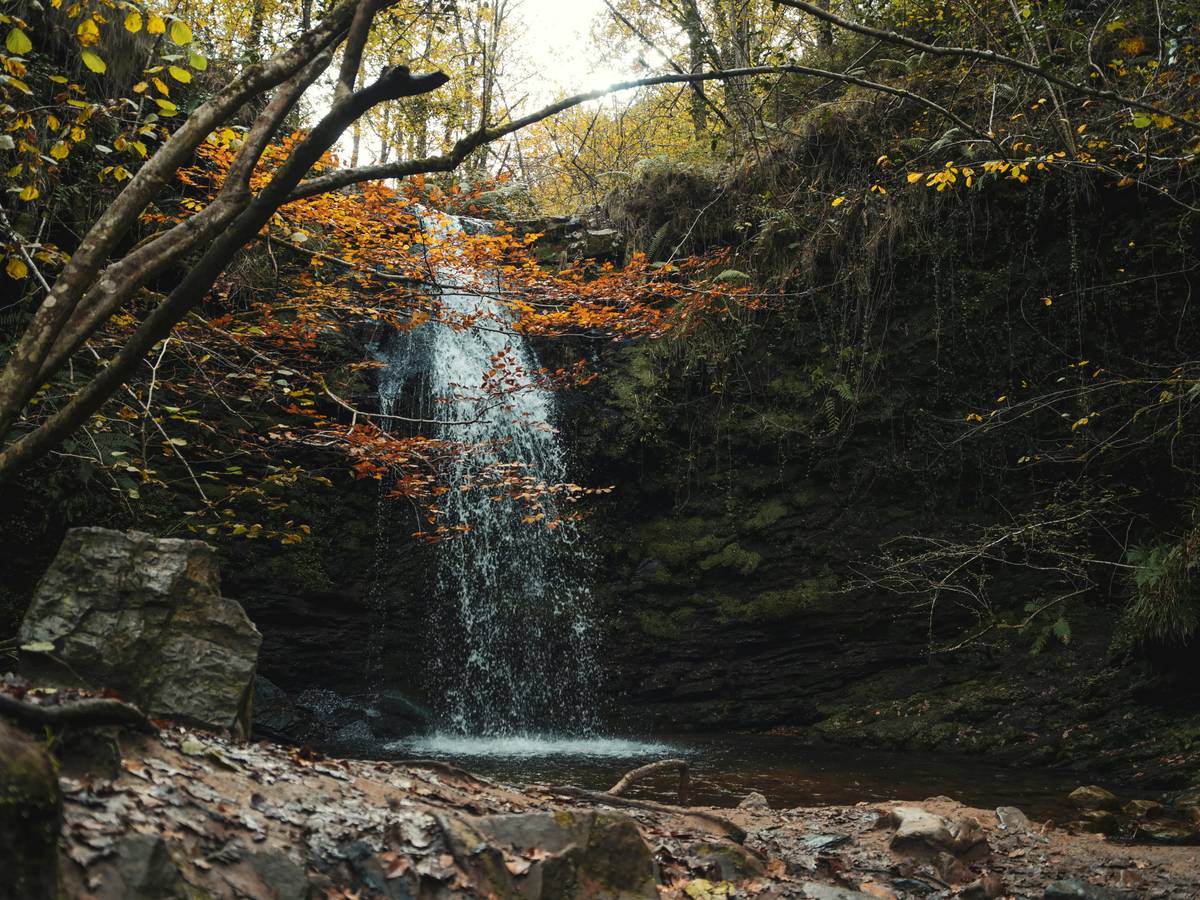
Figure 2: Bigger aperture holes = smaller numbers = dreamier photos.
Tips for Using Your Prime Lens in Nature
- Embrace Limitations: The lack of zoom forces creativity. Move your feet to find new angles!
- Master Manual Mode: Auto modes struggle in mixed lighting under dense canopies. Learn ISO, shutter speed, and exposure compensation.
- Pack Smartly: Keep lens caps handy, carry microfiber cloths, and store your gear safely away when crossing streams.
Real-Life Success Stories from Hikers Like You
We spoke with Sarah T., an avid hiker who swapped her heavy telephoto zoom for a simple 50mm f/1.8 after hearing rave reviews online. She said, “It changed everything! Not only could I move freely on rough terrain, but my photos also had this ethereal sharpness I’d never achieved before.” One of her prime lens nature pieces even won a local photography contest last year!

Figure 3: Sarah’s winning photograph—a testament to the power of minimalism in gear choices.
Frequently Asked Questions About Prime Lenses
Q1: Can I use a prime lens for video while exploring outdoors?
Absolutely! Many videographers swear by primes due to their cinematic depth of field and smooth autofocus.
Q2: Is a prime lens worth it if I already own a decent zoom?
Yes—if you value portability, low-light capabilities, and overall image clarity over flexibility. Think chef’s kiss vs. mediocre sandwich.
Q3: What’s one terrible tip beginners follow regarding prime lenses?
Using manual focus incorrectly. While MF gives control, newbie mistakes lead to frustratingly blurry images. Stick to AF until comfortable!
Conclusion
In summary, upgrading to a prime lens nature setup doesn’t require breaking the bank—or your back. By embracing lightweight simplicity, prioritizing sharpness, and learning creative techniques, you’ll elevate both your hiking game and photographic portfolio. Now go forth and capture those awe-inspiring vistas!
Oh, and remember… coffee helps fuel great adventures (and edits). Cheers!
Like a Tamagotchi,
Nature calls—but so does art:
Lens life daily care.