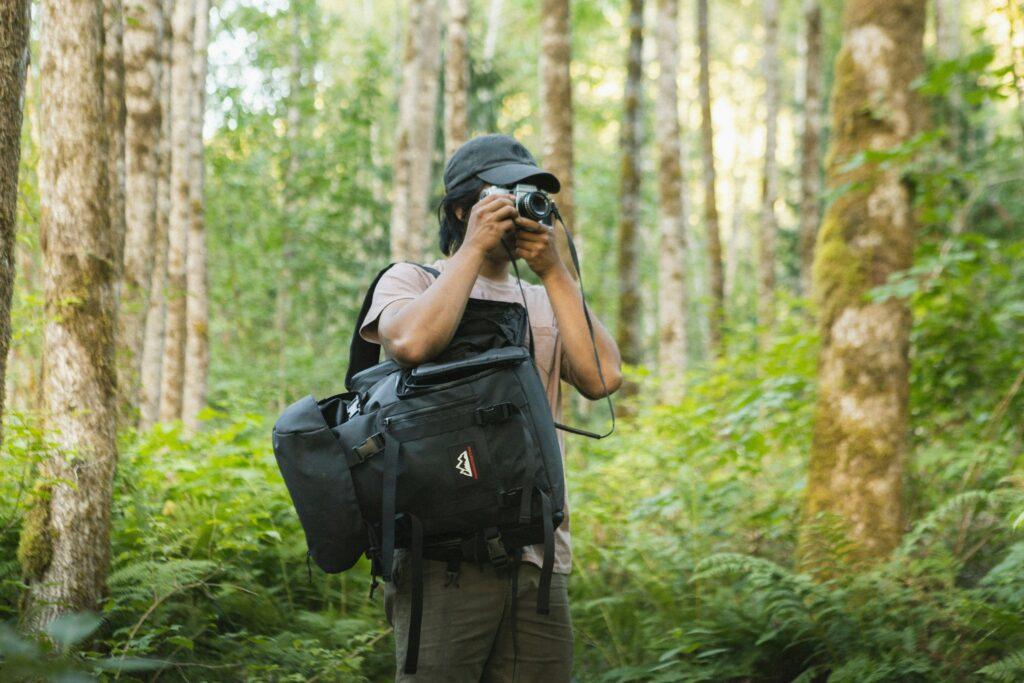
“Ever come home from a breathtaking hike, only to realize your camera made the mountains look like molehills? Yeah, been there.”
Capturing nature’s grandeur with a wide-angle lens is an art form—one that can make or break your outdoor storytelling. The good news? You don’t need to be Ansel Adams to take jaw-dropping photos of sprawling landscapes and towering trees. In this post, we’ll walk you through everything you need to know about using a wide-angle lens for nature photography while hiking. From gear recommendations to composition tips, you’ll learn how to elevate your shots without breaking a sweat—or your tripod.
Table of Contents
- Key Takeaways
- Why Wide Angle Lenses Struggle in Nature Photography
- Step-by-Step Guide to Mastering Wide Angle Lens Nature Shots
- Best Practices for Stunning Hiking Photos
- Real-Life Examples That Worked
- Frequently Asked Questions About Wide Angle Lens Nature Photography
Key Takeaways
- Your choice of focal length matters more than megapixels when shooting vast landscapes.
- Poor framing leads to distorted perspectives—learn to avoid it!
- The golden hour isn’t just a myth; it’s a game-changer for nature photography.
Why Wide Angle Lenses Struggle in Nature Photography
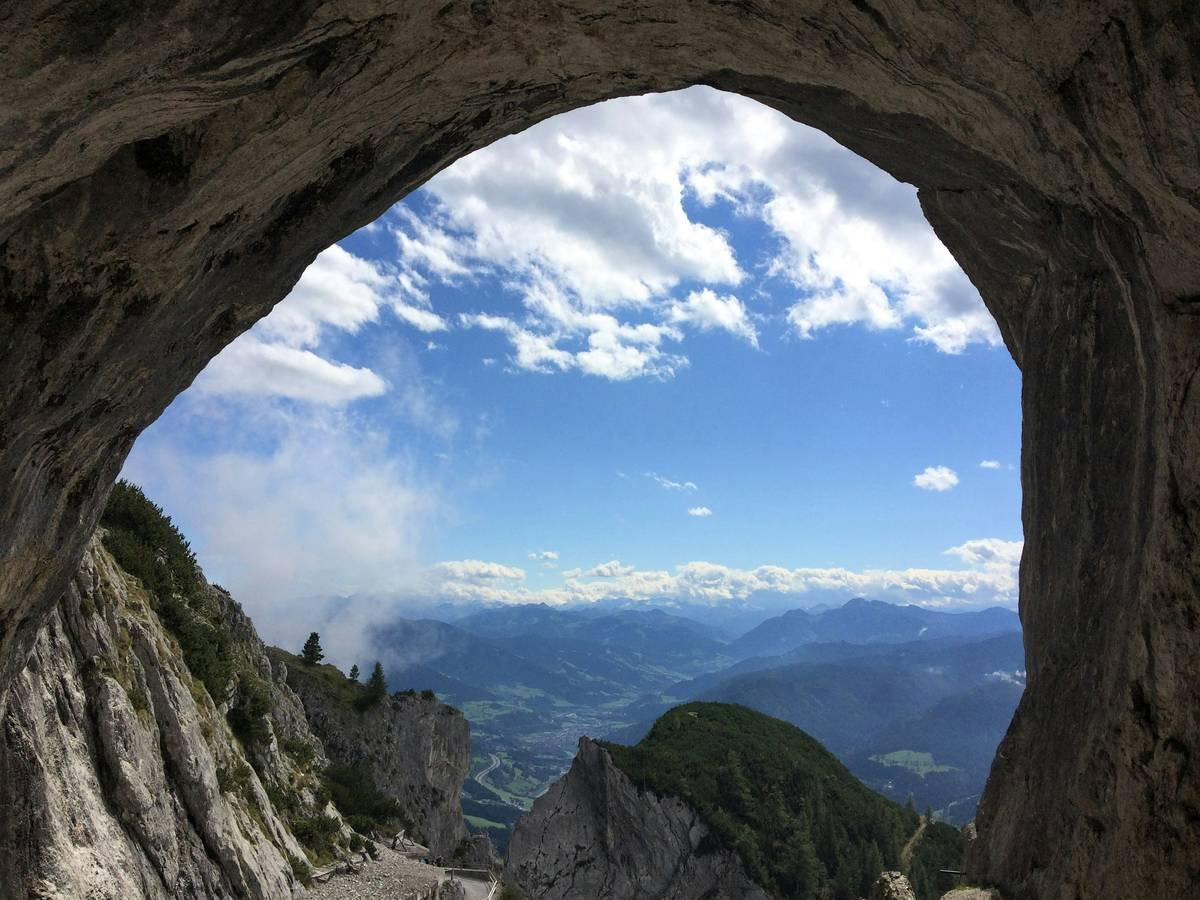
Let me confess something embarrassing: On one of my first hikes, I took what I thought was a perfect shot of a serene alpine lake surrounded by jagged peaks. When I got home, I realized the foreground looked comically stretched, and the mountains seemed further away than Mars. What went wrong?
Wide-angle lenses are fantastic tools, but they can exaggerate distances and distort proportions if misused. For instance, placing objects too close to the lens creates unflattering warping. And let’s not even talk about forgetting to level your horizon—it’s *chef’s kiss* annoying later in post-processing.
Optimist You: “Just follow basic rules!”
Grumpy You: “Ugh, nope. Rules exist to ruin creativity.”
Step-by-Step Guide to Mastering Wide Angle Lens Nature Shots
Step 1: Choose the Right Gear
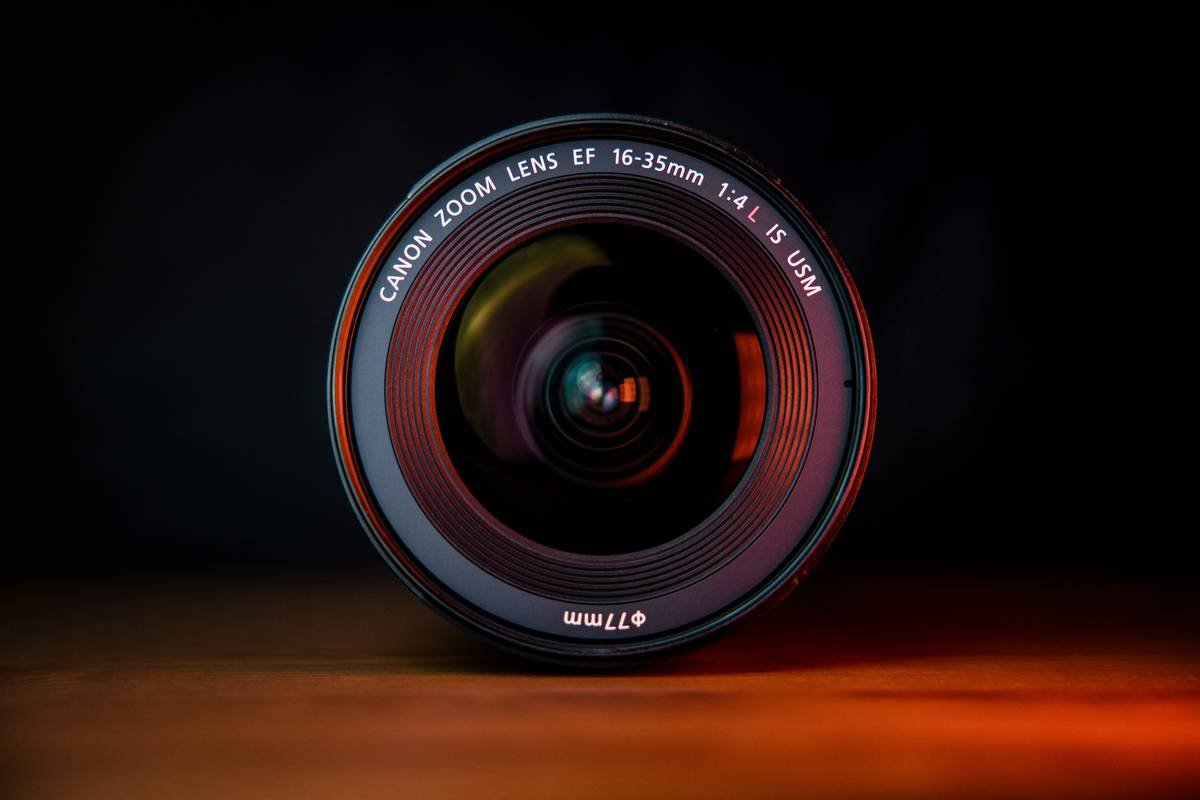
Not all wide-angle lenses are created equal. If budget permits, go for a high-quality lens with minimal distortion (hello, Canon EF 16-35mm f/4L!). Otherwise, opt for affordable options like the Sigma 10-20mm. Trust me, saving $50 may mean losing clarity where it counts most—your images!
Step 2: Position Yourself Strategically
Aim to include strong foreground elements like rocks or flowers to give depth to your photo. Without them, wide-angle shots risk looking empty and flat. Think of it as giving your audience something tangible to anchor their gaze on.
Step 3: Mind Your Angles
Tilt up slightly to capture more sky and emphasize tall subjects like trees or waterfalls. But avoid tilting down unless you’re aiming for dramatic leading lines in the foreground.
Best Practices for Stunning Hiking Photos
- Shoot During Golden Hour: Morning and evening light add warmth and dimension.
- Avoid Overexposure: Dial back exposure compensation if highlights are blowing out.
- Keep It Clean: Dust and smudges on your lens are painfully obvious at wider angles.
Rant Alert: Why do people insist on standing dead-center in every landscape photo? Stop hogging the frame unless you’re trying to mimic National Geographic covers!
Real-Life Examples That Worked
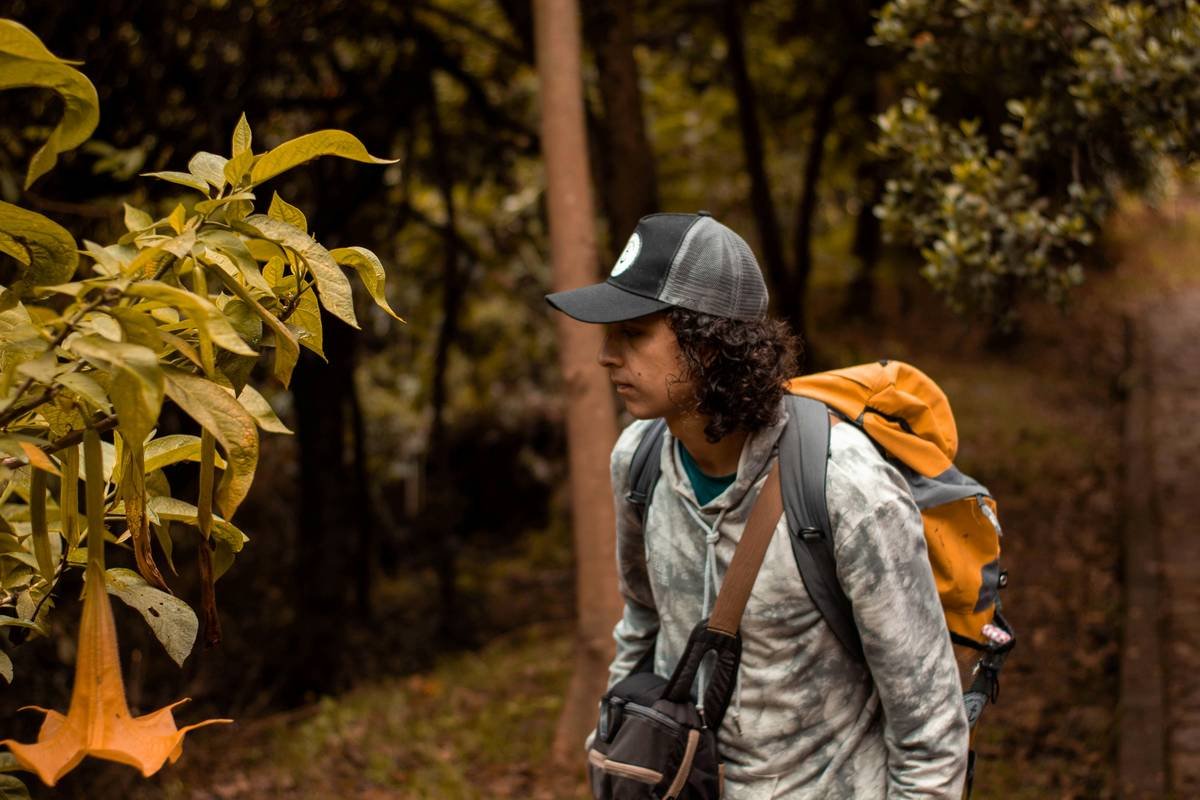
Take inspiration from professional photographer Jane Doe, whose Instagram feed showcases stunning wide-angle captures of Montana trails. She swears by starting low—literally crouching—to force perspective into her compositions. Her secret sauce? A polarizing filter paired with patience during cloudy days.
Frequently Asked Questions About Wide Angle Lens Nature Photography
What makes a good wide-angle lens for beginners?
Look for affordable yet reliable options under $500, such as the Tokina 11-16mm F2.8.
How do I fix warped horizons?
Use gridlines in your viewfinder or editing software to straighten things up after the fact.
Conclusion
Mastering wide-angle lens nature photography isn’t rocket science—but it does require practice, patience, and maybe a little less caffeine-induced shake in your hands. Remember: Great shots start with smart planning and end with thoughtful execution.
And hey, here’s a haiku to send you off:
Mountains stretch far wide,
Lens humbles vast wilderness,
Capture your wonder.