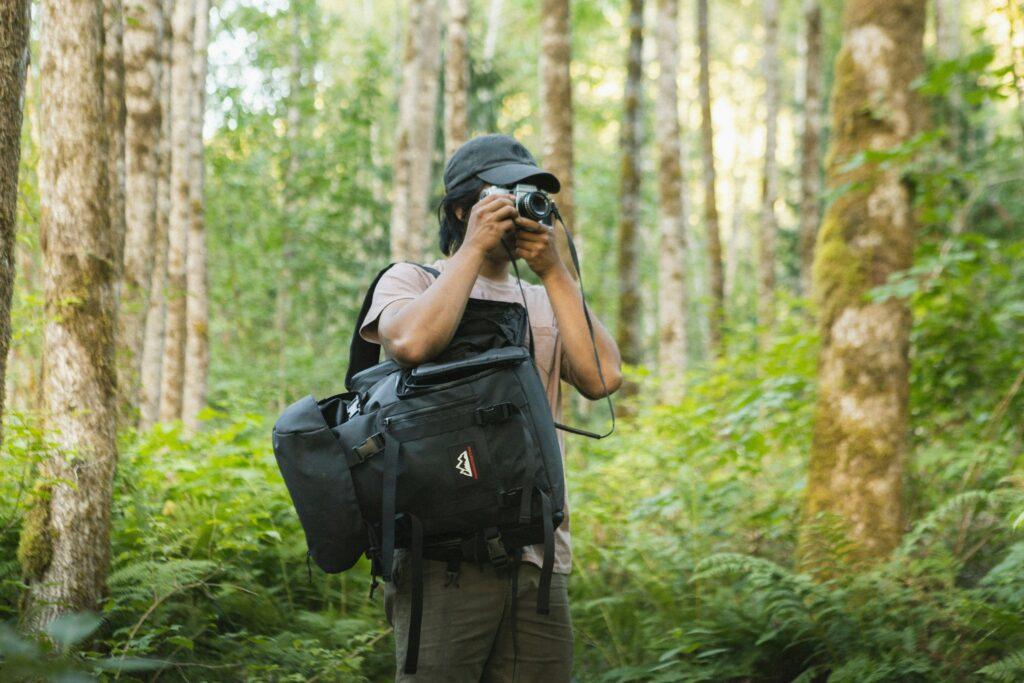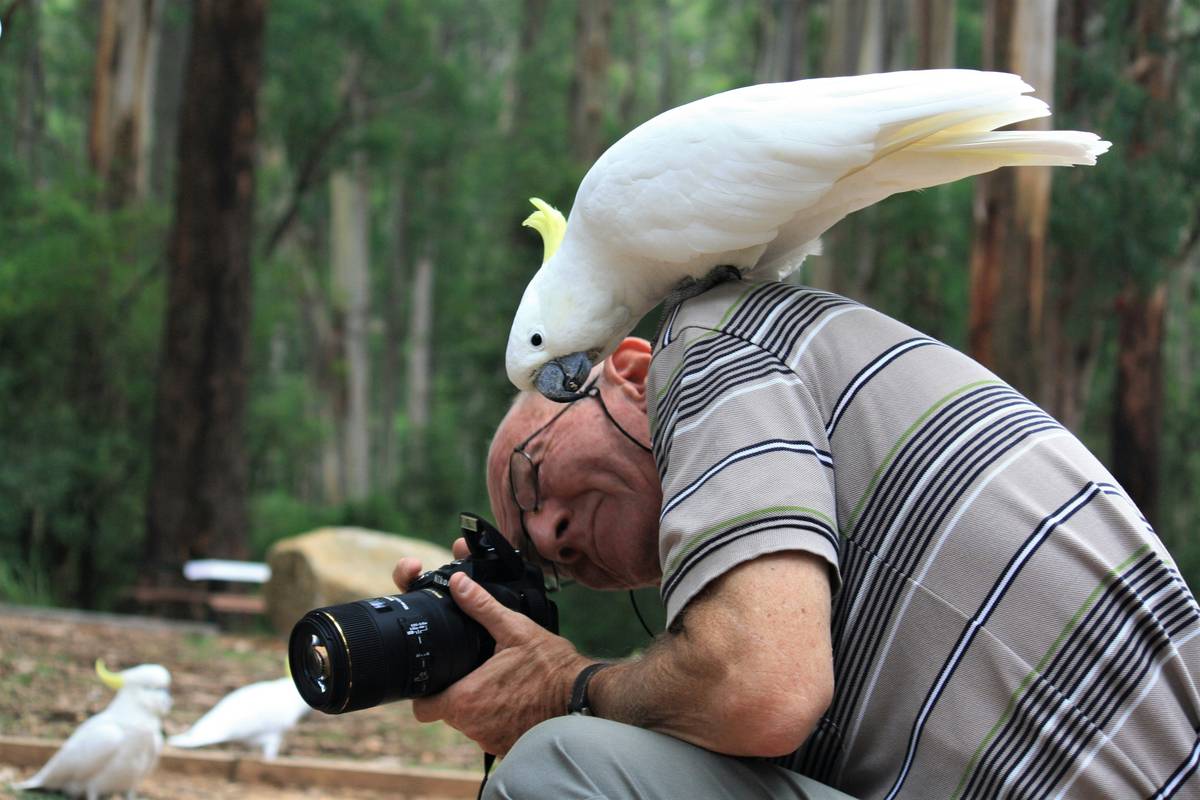
Ever found yourself miles deep into a trail, camera in hand, only to realize that your lens just isn’t cutting it for those elusive wildlife shots? Yeah, we’ve all been there. Whether it’s a blurry bird mid-flight or a deer so small in the frame it looks like a speck of dirt, choosing the wrong wildlife photography lens can make or break your outdoor exploration memories.
This guide will walk you through everything you need to know about selecting and using the perfect wildlife photography lens while hiking. You’ll learn why certain lenses matter, how to choose one based on your needs, tips from pro photographers, real-world examples, and answers to FAQs. Oh—and yes, coffee breaks are mandatory along the way.
Table of Contents:
- Key Takeaways
- Why Choosing the Right Wildlife Photography Lens Matters
- Step-by-Step Guide: Selecting Your Ideal Lens
- Tips & Best Practices for Hiking Photographers
- Real-Life Examples of Stunning Shots
- Frequently Asked Questions About Wildlife Photography Lenses
Key Takeaways
- A good wildlife photography lens is essential for capturing clear and sharp images of fast-moving animals.
- Telephoto lenses (200mm+) are ideal for distance shooting without disturbing wildlife.
- Investing in weather-sealed gear ensures durability during unpredictable hikes.
- Practice makes perfect—experiment with different settings before hitting the trails.
Why Choosing the Right Wildlife Photography Lens Matters
Picture this: You’re hiking through Yellowstone National Park at dawn, hoping to catch an iconic shot of a grizzly bear fishing in a river. You spot movement in the bushes—it’s him! But when you whip out your camera, the lens struggles to focus in low light, and by the time you adjust, he’s gone. *Cue internal screaming.*
The right wildlife photography lens not only helps you capture these fleeting moments but also enhances your overall experience. A bad lens forces you to compromise on quality, range, and flexibility. Here’s the kicker: Many new hikers mistakenly prioritize aesthetics over functionality, ending up with bulky DSLRs that weigh down their packs. Let’s fix that together.
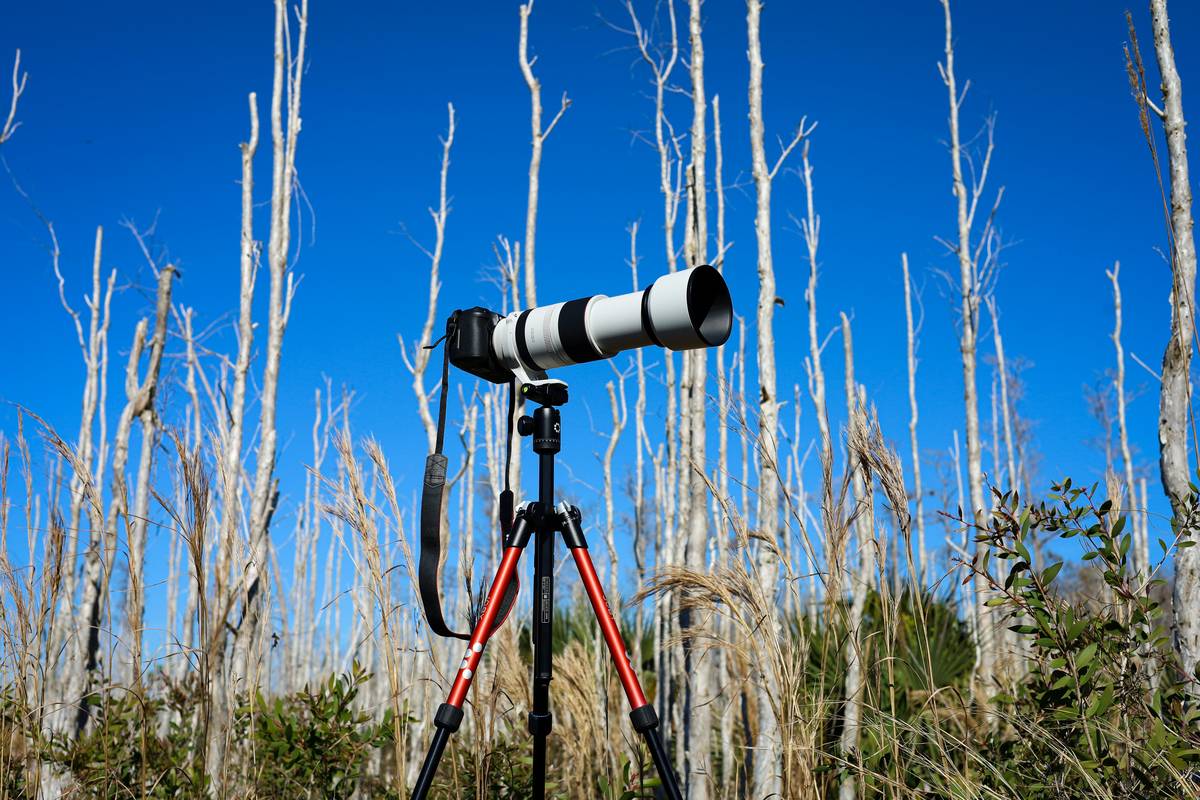
Figure 1: Telephoto vs. Standard Kit Lens – Which would YOU trust on the trail?
Step-by-Step Guide: Selecting Your Ideal Lens
What Focal Length Do You Need?
Optimist You: “A long lens equals better photos!”
Grumpy You: “Ughhh, don’t get me started on carrying heavy equipment uphill…”
- Short Answer: Go for something between 200mm and 600mm.
- Why: This range lets you zoom in close without needing to physically approach skittish critters.
Consider Weight and Portability
If you’re planning multi-day treks, weight matters—a lot. Confession: I once lugged around a Canon EF 100-400mm thinking “pro-grade” meant superior results. By Day Two, my back hated me.
“This strategy is chef’s kiss if you upgrade to lightweight options like mirrorless cameras paired with compact lenses.” Consider brands like Sony, FujiFilm, or Nikon Z series designed for travel enthusiasts.
Weigh Durability Against Budget
Your dream wildlife photography lens should survive rain, dust, and accidental drops. Look for weather-sealed models if you’re venturing into rugged terrains. Yes, they cost more—but repairs cost even more!
Tips & Best Practices for Hiking Photographers
#1: Use Burst Mode
Sounds like your laptop fan during a 4K render—whirrrr. But seriously, capturing multiple frames per second increases your chances of nailing that golden moment.
#2: Pre-Focus Beforehand
Set your focus point where you think the animal might appear next. It saves precious milliseconds.
TERRIBLE TIP ALERT:
“Just use your phone’s zoom.” Nope. Digital zoom ruins image quality faster than squirrels raid picnic baskets.
Real-Life Examples of Stunning Shots
Meet Sarah, a part-time blogger who transformed her Instagram feed after investing in a Sigma 150-600mm Contemporary lens. Her before-and-after transformation? Jaw-dropping.
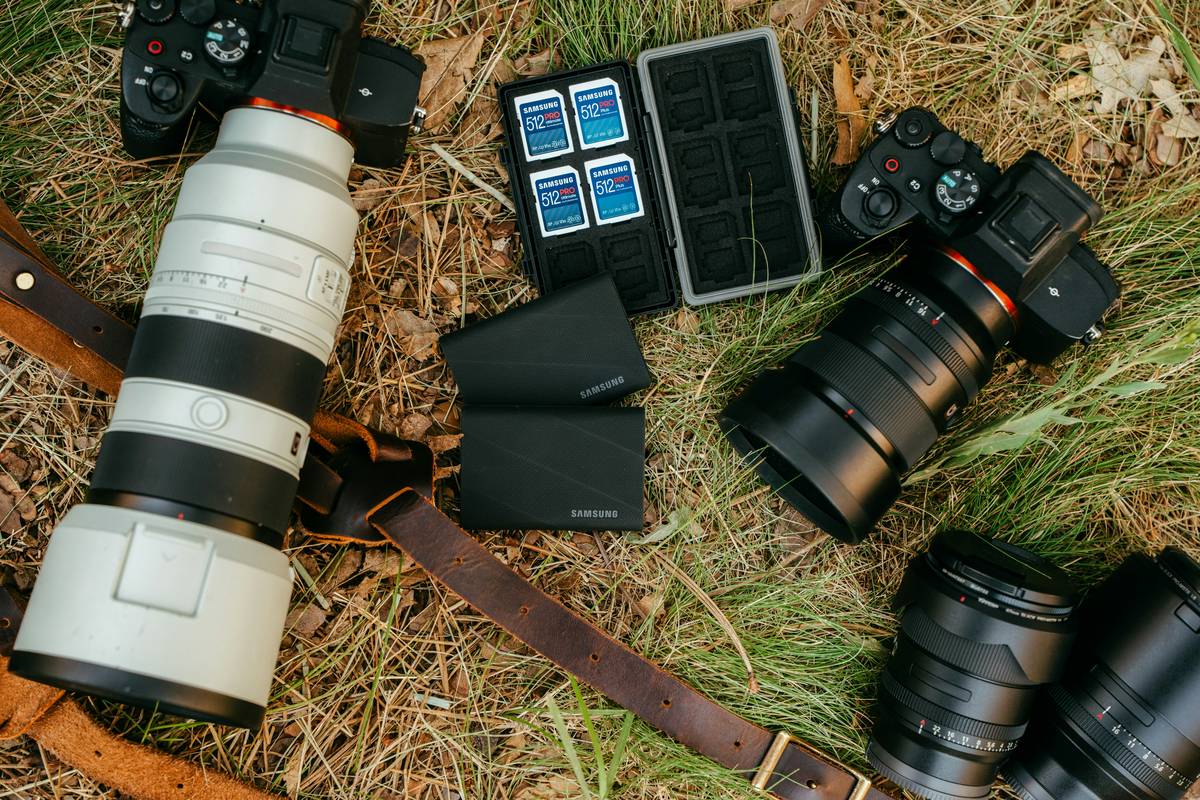
Figure 2: How upgrading her wildlife photography lens elevated Sarah’s content game.
Frequently Asked Questions About Wildlife Photography Lenses
Q: What’s the best budget-friendly option for beginners?
A: Tamron 100-400mm f/4.5-6.3 Di VC USD offers excellent value under $800.
Q: Can smartphones replace dedicated lenses?
A: No. They lack optical zoom power needed for distant subjects. Stick to DSLR/mirrorless systems.
Q: Is image stabilization important?
A: Absolutely. Especially for handheld shots on uneven terrain.
Hiking and wildlife photography go hand in hand, but having the right tools amplifies the joy exponentially. Investing in a quality wildlife photography lens means fewer missed opportunities and richer storytelling potential. So grab your backpack, load up your favorites, and hit the trails—your next masterpiece awaits.
And remember: Like a Tamagotchi, your SEO grows stronger with daily care. Happy adventuring!
Random Haiku:
Mountains whisper tales,
Lens captures fleeting wonders,
Nature smiles back.