Have you ever been on a hiking trail, camera in hand, only to miss that perfect shot of a fox darting through the underbrush? Yeah, us too. Spoiler alert: it’s not just about having the right gear.
In this post, we’ll dive into how mastering wildlife photography techniques can elevate your outdoor adventures. You’ll learn how to choose the best hiking cameras, capture stunning wildlife shots without disturbing nature, and edit like a pro—all while navigating the unpredictable wilderness.
Table of Contents
- Why Wildlife Photography Matters on Hiking Trails
- Step-by-Step Guide to Capturing Wildlife Shots
- Top Tips for Stunning Wildlife Photos
- Real-Life Examples: When Timing Was Everything
- Frequently Asked Questions About Wildlife Photography Techniques
Key Takeaways
- Choosing lightweight yet powerful hiking cameras is crucial for capturing fleeting moments.
- Understanding animal behavior helps you anticipate movements and get better shots.
- Mistakes are part of the learning process—don’t delete those bad shots just yet!
Why Wildlife Photography Matters on Hiking Trails
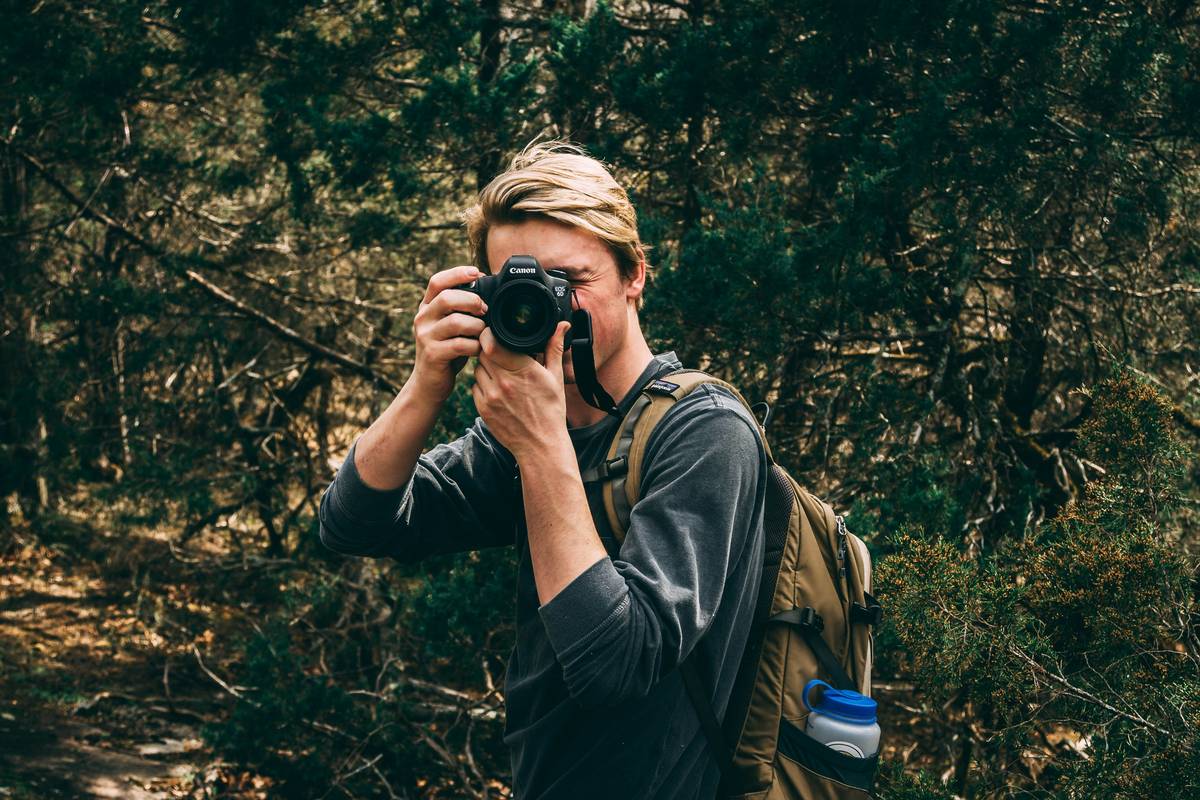
Hiking isn’t just about covering miles—it’s about connecting with nature. And nothing bridges that gap quite like snapping a crisp photo of an elusive deer or colorful bird mid-flight. The thrill of spotting wildlife adds layers to every hike, making each step feel purposeful. But here’s the hard truth:
“Optimist You:” “I’ll grab my DSLR and wing it!”
“Grumpy You:” “Bro, good luck lugging that brick up a mountain.”
You need specialized tools. Enter the world of hiking cameras—a category designed for adventurers who demand both portability and performance. However, even the fanciest gear won’t save you from poor technique.
Step-by-Step Guide to Capturing Wildlife Shots

1. Choose Your Weapon Wisely
Picking the right hiking camera could mean the difference between awe-inspiring images and frustration. Look for features like:
- Lightweight body (under 500g)
- Fast autofocus system
- Silent shutter mode
2. Scout Ahead & Know Your Subject
No matter how fancy your equipment, if you’re clueless about wildlife habits, you’re setting yourself up for failure. Spend some time researching animals native to your hiking area:
- What time are they most active?
- Where do they usually congregate?
(Pro Tip: Don’t stalk them like paparazzi. Respect their space.)
3. Master Camera Settings
Most beginners stick to auto mode out of fear or laziness. Big mistake. Learn these settings:
- Shutter Speed: Fast enough to freeze movement but slow enough to let light in.
- Aperture: Wide open (low f-stop) for creamy backgrounds.
- ISO: Keep it low unless lighting gets tricky.
Top Tips for Stunning Wildlife Photos
- Blend In: Wear neutral colors so you don’t scare off wildlife. No neon jackets allowed.
- Get Low: Crouching gives your shot more perspective and makes animals appear larger than life.
- Patience Is Key: Animals aren’t exactly known for posing on cue. Be ready to wait…and wait…and wait.
- Battery Backup: Always carry extra batteries; cold weather eats them alive faster than a T-Rex eats lunch.
(Terrible Tip Alert: Someone online once suggested using flash at night. DO NOT DO THIS. Not only will it ruin your image quality, but you might blind nocturnal creatures.)
Real-Life Examples: When Timing Was Everything
I’ll never forget the day I set out to photograph red foxes in Yellowstone National Park. Armed with my trusty hiking camera, I followed tracks early one morning. Just as I thought my patience had failed me, BAM—a fox trotted right past, eyes locked straight ahead. Thanks to pre-set shutter speed and aperture, I captured the moment perfectly.
That photo now hangs above my desk as a reminder that timing truly is everything—and preparation pays off.
Frequently Asked Questions About Wildlife Photography Techniques
Q: What’s the Best Budget Camera for Beginner Wildlife Photographers?
A: Brands like Nikon Coolpix P1000 or Canon PowerShot SX70 HS offer incredible zoom capabilities without breaking the bank.
Q: How Do I Avoid Disturbing Wildlife While Taking Photos?
A: Stay quiet, move slowly, and use long lenses to maintain distance. If an animal notices you, give it space immediately.
Q: Can Phones Replace Traditional Cameras for Wildlife Shots?
A: Phones work well for casual snaps, but serious photographers will find dedicated hiking cameras superior due to advanced optics and settings flexibility.
Conclusion
Mastering wildlife photography techniques requires practice, patience, and passion—but the rewards are unmatched. From choosing the ideal hiking camera to refining your shooting skills, every step brings you closer to preserving nature’s beauty.
So next time you hit the trails, channel your inner David Attenborough—but remember, coffee must come first.
And hey, here’s a little something to keep you smiling:
Hiking uphill
Camera clicks softly
Nature whispers back.